Tuesday, March 24th 2026
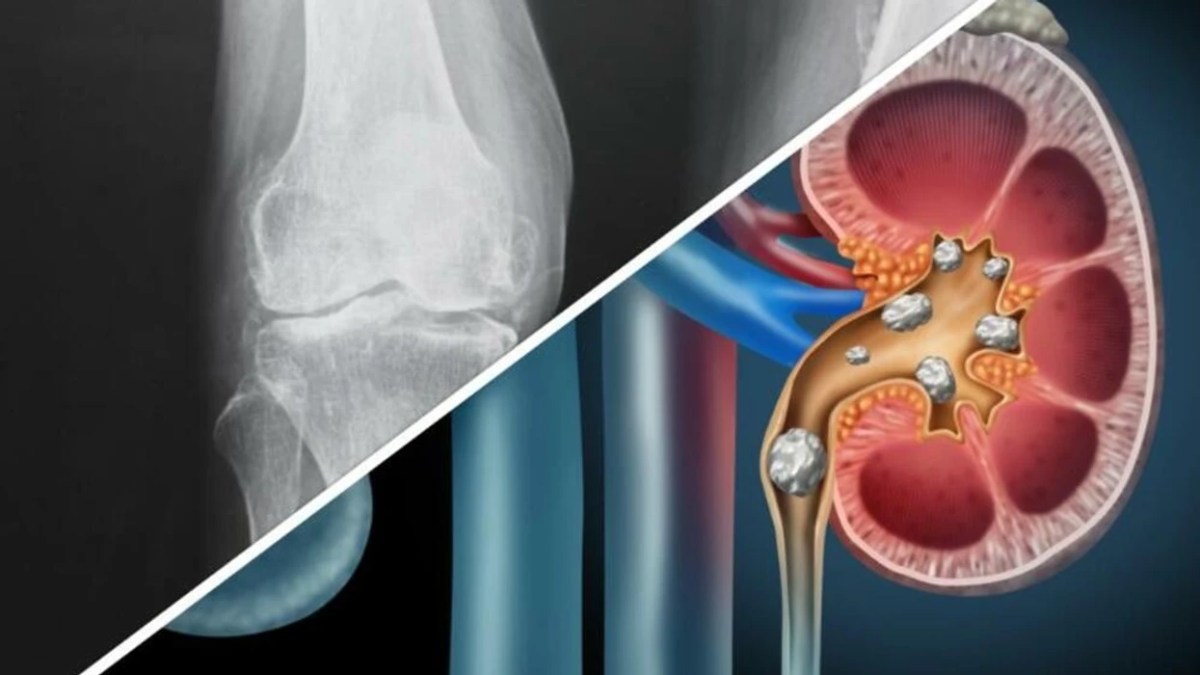
Calcification occurs when calcium accumulates in the body in places where it should not, such as in soft tissues, organs or blood vessels. Some deposits are harmless, but others may indicate a health problem
Calcification occurs when calcium builds up and hardens in tissues, organs, or blood vessels. When this happens, the normal functioning of these structures can become difficult.
About 99 percent of the calcium in the body is in the bones and teeth, while the rest circulates in the blood. But some conditions can cause calcium to be deposited in places where it shouldn’t, such as in the brain, kidneys or blood vessels.
Skin
In the skin, this process is called calcinosis cutis. The deposits appear as hard white or yellow bumps under the skin, often on the fingertips, face, elbows or knees. Sometimes preceded by redness or itching.
Teeth
Calcium is necessary for tooth enamel, but it can sometimes accumulate around the roots or in the pulp of the tooth. This can happen after tooth damage or in some metabolic disorders.
Breast
Calcium deposits in the breast usually cause no symptoms and are often detected during a mammogram as small white dots. In most cases they are harmless, but sometimes they may require additional tests to rule out the risk of breast cancer.
Shoulders.
Calcium build-up in the tendons of the shoulder can cause pain and limitation of movement. This condition is known as calcific tendinitis and often affects the structures that stabilize the shoulder joint.
Brain
A rare condition, called familial calcification of the brain, causes calcium deposits in the blood vessels of the brain. It can be accompanied by movement disorders, tremors, memory problems or behavioral changes.
Kidneys
When calcium builds up in the kidneys, a condition called nephrocalcinosis develops. It is often associated with kidney stones and can be accompanied by severe pain, blood in the urine or fever, although sometimes it does not cause symptoms.
Arteries
Calcium deposits in the arteries make them harder and increase the risk of cardiovascular disease. Studies show that calcification of the arteries is an early sign of atherosclerosis and often occurs with age.
A diet rich in calcium is usually not the main cause. Calcification can be related to several different factors and conditions, such as:
Disorders of calcium metabolism, which can lead to hypercalcemia (high calcium level in the blood)
Infections, aging or surgical interventions
Autoimmune diseases affecting the skeletal system or connective tissue
Calcifications can be harmless, but in some cases they are a sign of a health problem. For this reason, when detected during tests or medical examinations, further evaluation is often required to determine the cause.
We use cookies to improve the experience and to display advertisements (Google AdSense).
By clicking “Accept”, you agree to the use of cookies according to
Privacy Policy
and
Cookies Policy.
You can reject non-necessary cookies by clicking “Reject”.
Source: prizrenpost