Tuesday, January 27th 2026
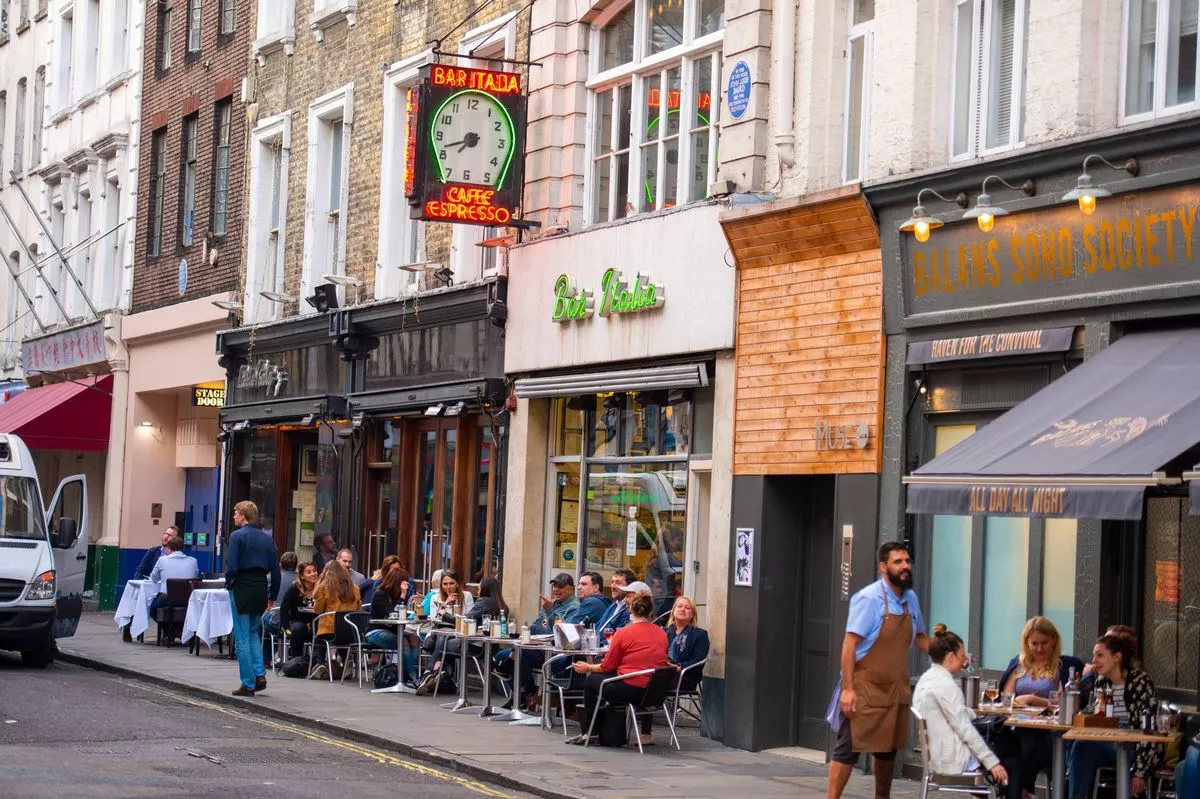
If you walk through the dizzying bustle of Frith Street in the heart of Soho in the British capital London, your steps naturally stop in front of a window that emits neon light and the aroma of well-roasted coffee. It is “Bar Italia”, an institution that seems to have stood the test of time since 1949.
But before the Polledri family opened its doors to the “smart tribes” of the London night, this building hid a secret that would change the eyes of humanity forever. Go upstairs with your imagination, to a cramped and chaotic attic of 1924.
There, among tangled wires, spinning disks and a heavy smell of oil and metal, a Scottish engineer named John Logie Baird was struggling with the impossible. He wasn’t looking for gold, but something more magical: image transfer through the air.
His lab was a genius mess. The first successful trial was not with a human, but with a ventriloquist puppet named Stooky Bill. Still, Baird needed life. He hurried down the stairs and found William Taynton, a simple office boy, whom he persuaded to sit before the blinding lights.
It was October 2, 1925, when William’s face appeared, trembling and white, in the next room. Television had just taken its first breath. On January 26, 1926, exactly a century ago, this attic hosted the scientists of the Royal Institution for the first public demonstration.
No one thought then that the strange device costing a fortune (about £4,000 in today’s value) would become the window of every home in the world. Today, at number 22 Frith Street, there are no more clattering machines, only the clink of glasses and the chatter of artists.
A blue plaque on the wall silently bears witness to history, while customers enjoy an espresso under pictures of celebrities. From Baird’s lab to Pulp songs, this building remains an “oasis of calm” where past and future meet on a wooden counter. If you visit, look up at the ceiling. Where television was once born, now lives the indomitable spirit of a Londoner who never sleeps. /tesheshi.com/
Source: prizrenpost