Wednesday, March 4th 2026
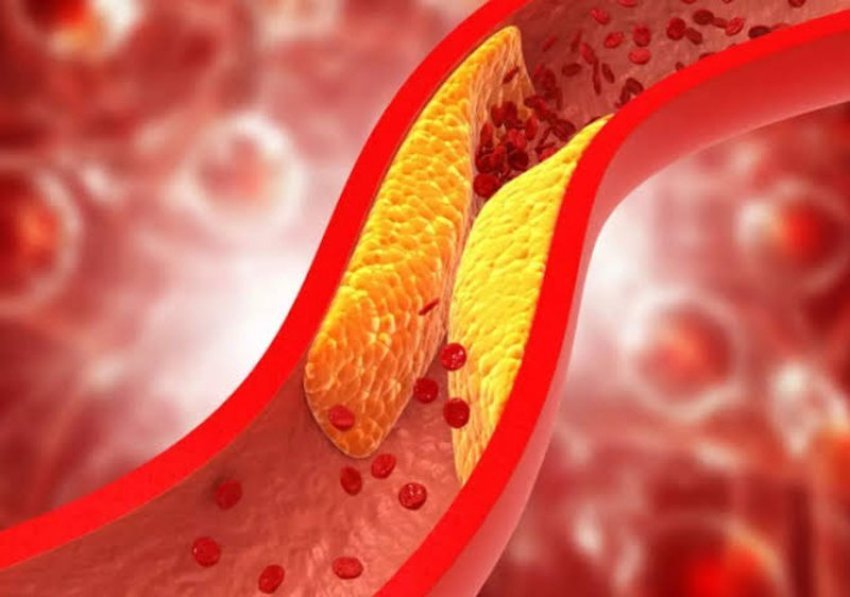
If you don’t test at least once a year even if you don’t have symptoms, you are not aware of the cholesterol levels in your body.
But if you find that you have elevated values, you will make positive changes in your life, such as food selection, physical activity, and possibly medication.
After the age of 20, a simple blood test should be done every 4 to 6 years to make sure that your parameters are within healthy limits. At the age of 40 and above, these analyzes should be done more often, according to the orders of your trusted doctor.
2- You are not interested in cholesterol levels
High cholesterol levels damage blood vessels, predisposing you to the development of metabolic diseases but also to dramatic events such as heart attack, stroke, etc.
The rates that include “bad” cholesterol (LDL) are up to 130 mg/dl, for “good cholesterol” (HDL) always above 40 mg/dl, as well as up to 150 mg/dl for triglycerides.
Walking in nature is one of the best ways to manage cholesterol. The excuse that you have little time is against you. Every dinner you can find 30 minutes of time for pumps, pull-ups, weights, etc. in your bedroom.
Get on and off the elevator, travel by car even for short distances, sit on the couch at home and spend time on the Internet or TV. This lifestyle for a long time increases cholesterol, develops obesity, heart disease and high blood pressure, diabetes, strokes, etc.
Almost all smokers have low levels of “good” HDL cholesterol below 40 mg/dl, and increase the “bad” cholesterol above 130 mg/dl, which creates the basis for increased high blood pressure, diabetes and heart disease. Quitting smoking can improve cholesterol levels and help protect blood vessels.
Carrying on extra pounds, especially around the belly, can raise “bad” cholesterol (LDL) and lower “good” (HDL) cholesterol. If you lose 10% of your weight, your blood cholesterol will drop. Try it, it’s worth it!
This comes from meats, sausages, hams, beef, lamb and dairy products with saturated fat such as butter, cream, cottage cheese, palm oil, etc. All these things can increase LDL, or “bad” cholesterol.
“Trans” or hydrogenated fats are found in large quantities in many industrial products, ready meals and are widely used in fast food, pies, especially cakes, pizzas and restaurants as they cost little, are flavored, are liked, do not spoil, live long in refrigerators.
Olive oil, fish especially sardines, sweets, salmon, trout, nuts, almonds, hazelnuts, avocados are foods that keep cholesterol in your blood at normal levels.
Wholegrain bread, bran, oats, lentils, beans, cabbage of all kinds are good for heart health.
Use fiber foods regularly in your diet and feel rewarded.
Many patients are surprised by the fats high in their blood and they attribute this surprise to the reasoning that they do not eat fats. For us Albanians, lunch or dinner usually ends with a dessert, which is actually a bomb against our health. In addition to directly increasing blood sugar, this sugar “bomb” is metabolized by our liver into triglycerides and cholesterol.
12- You ignore other health problems
It is important to understand and treat any medical problems related to high fats, such as high blood pressure, diabetes, kidney disease, thyroid liver disease, etc. If you have one of these diseases and manage it well, you can also improve your blood fat levels.
We use cookies to improve the experience and to display ads (Google AdSense).
By clicking “Accept”, you agree to the use of cookies according to
Privacy Policy
and
Cookies Policy.
You can reject non-necessary cookies by clicking “Reject”.
Source: prizrenpost