Monday, February 16th 2026
From luxury stadiums to natural resource deals: How Beijing is changing the continent’s geopolitical landscape
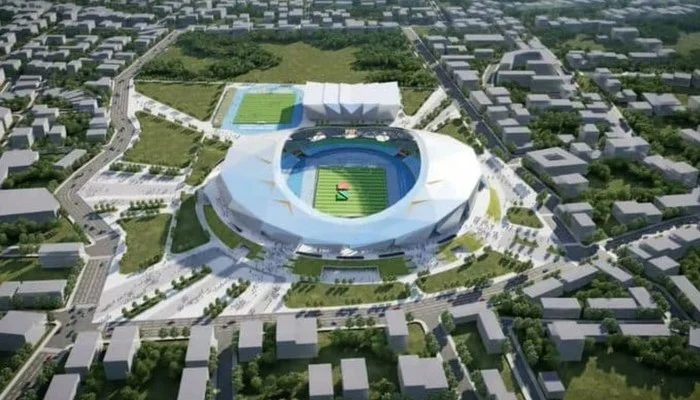
In late January, Kenyan authorities announced that work on the Talanta Sports City International Stadium (also known as Raila Odinga) in Nairobi had reached 80 percent. This modern 60,000-seater facility, expected to be ready for the 2027 Africa Cup of Nations, bears the signature of China Road and Bridge Corporation (CRBC), a state-owned company based in Beijing.
This project is not isolated; it is part of a long-term strategy aimed at cementing Chinese presence on the continent through massive infrastructure. CRBC plays a key role in the One Belt One Road initiative, building roads, bridges and railways in countries such as Senegal, Ethiopia and Angola.
However, stadiums represent one sector where China’s influence is particularly visible. At least 7 of the 12 stadiums for the upcoming Africa Cup of Nations were built or renovated by the Chinese giants. These structures serve as visible monuments of bilateral cooperation, becoming an integral part of the African urban landscape. This strategy is known as “stadium diplomacy”.
Since the late 1960s, China has financed the construction of over 100 stadiums in Africa. Unlike the Western investment model, Beijing operates directly through state-owned companies, covering part of the costs or offering loans with very favorable interest rates.
In some cases, China even finances them entirely, donating the facilities as a sign of diplomatic goodwill. The truth is that these are not mere acts of generosity, but strategic investments. In exchange for these “gifts”, China strengthens political ties and secures vital economic deals. In Gabon, after the construction of stadiums for the African Cup, China became the beneficiary of 15 percent of oil and manganese exports.
For local governments, these stadiums represent modernity and ambition, serving as powerful propaganda tools in a continent where soccer is a national passion. Since 2009, China has overtaken the US as Africa’s largest trading partner, importing resources such as copper and cobalt, essential to its industry.
However, this relationship is showing serious cracks. In 2025, the trade deficit of African countries with China reached a record 102 billion dollars, fueling debates on a new form of neo-colonialism.
Moreover, many of these projects are turning into debt. Stadiums like “Barthélemy Boganda” in the Central African Republic are falling into disrepair because local authorities do not have the financial means to maintain them according to international standards.
Often, after the championship lights go out, these luxurious facilities risk being abandoned, leaving behind only debts and unfinished roads, as is currently happening in some areas of the Ivory Coast. /tesheshi
We use cookies to improve the experience and to display ads (Google AdSense).
By clicking “Accept”, you agree to the use of cookies according to
Privacy Policy
and
Cookies Policy.
You can reject non-necessary cookies by clicking “Reject”.
Source: prizrenpost
Etiketa: Brief