Wednesday, March 4th 2026
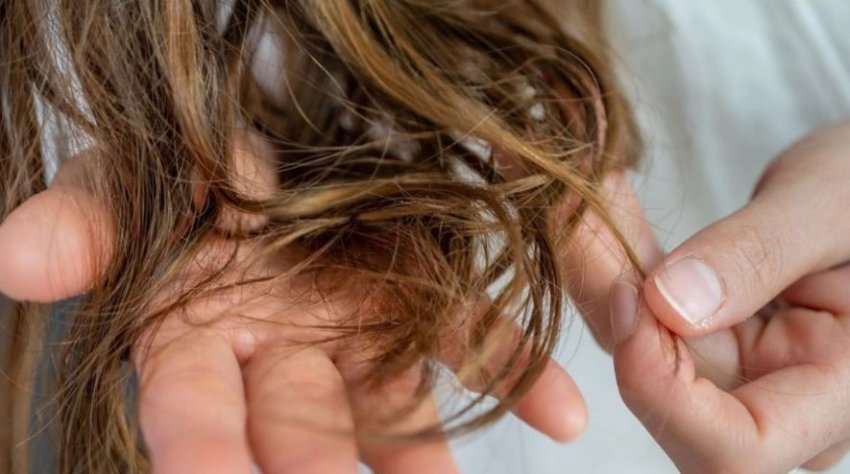
A simple hair analysis can preserve long-term “traces” of changes in the body
A preliminary study brings intriguing results, hair samples from people with Parkinson’s disease showed significantly lower levels of iron and copper, while at the same time increased values of manganese and arsenic.
The authors of the study, led by biologist Ming Li from Hebei University, say their findings have “high potential diagnostic” when it comes to Parkinson’s disease.
Finding a non-invasive but reliable way to diagnose Parkinson’s disease has long been a challenge. Although some biomarkers from blood have shown promising results, hair has a special advantage, it can keep a long-term “record” of the body’s exposure to various substances.
It is known that hair accumulates heavy metals from food and the environment. Unlike blood, saliva or urine, which reflect the state of the moment, hair can provide insight into a longer period of health changes, Telegrafi reports.
The exact cause of Parkinson’s disease has not yet been fully clarified. However, earlier research has suggested links to gut microbiota disturbances, unhealthy diets, especially those rich in ultra-processed foods, and exposure to pollutants such as pesticides.
In experiments with mouse models, researchers have also observed low levels of iron in hair. This change was linked to intestinal barrier dysfunction. In animals with symptoms similar to Parkinson’s it was observed:
• decreased expression of genes responsible for iron absorption
• increased activity of genes related to microbial absorption of iron
• possible systemic iron deficiency
In humans, changes in gut bacteria often appear years before diagnosis. More and more evidence points to a strong communication between the gut and the brain, and it seems that the hair can “record” the changes that occur in this complex system.
The most consistent finding, both in humans and mice, was precisely the decrease in the level of iron in the hair.
An interesting fact is also related to the increased level of arsenic in the hair of those affected. Scientists think that this may be related to environmental factors, but also to nutrition. In this smaller study, people with Parkinson’s disease reported more frequent consumption of animal organs and seafood (such as shellfish), foods that may contain higher amounts of arsenic.
The research team believes that the link between the gut microbiome and genes involved in iron metabolism is “substantial evidence” of the interplay of these systems in the context of disease-like pathology. Parkinson’s.
The results are also related to a 2025 study, which suggested a disorder of iron regulation in the brain, blood and intestines in patients with Parkinson’s disease. However, this research was conducted with a smaller number of participants and larger studies will be needed to confirm the findings and clarify the mechanisms linking iron deficiency to the development of the disease.
If these results are confirmed, it is possible that in the future a simple hair sample, practically a short haircut – will be sufficient as part of the early detection process of this complex neurodegenerative disorder.
We use cookies to improve the experience and display ads (Google AdSense).
By clicking “Accept”, you agree to the use of cookies according to
Privacy Policy
and
Cookies Policy.
You can reject non-necessary cookies by clicking “Reject”.
Source: prizrenpost