Thursday, January 1st 2026
Palestinian Bureau of Statistics offers a summary in numbers
The Central Bureau of Statistics (PCBS) published on Wednesday estimates of a 10.6% decline in the population of Gaza over the past two years.
PCBS indicated that the statistical indicators reflect a true humanitarian and demographic catastrophe, with long-term consequences for population stability, development and human rights.
According to the Ministry of Health, the number of people killed in Palestine has exceeded 72,000 since the beginning of the Israeli aggression, of which 98% are in the Gaza Strip, which is the highest number of victims in the history of Israeli aggression against the Palestinian people.
By the end of December 2025, the number of martyrs in the Gaza Strip had reached 70,942, including 18,592 children and approximately 12,400 women, while nearly 11,000 people are still missing, while the number of wounded had risen to 171,195.
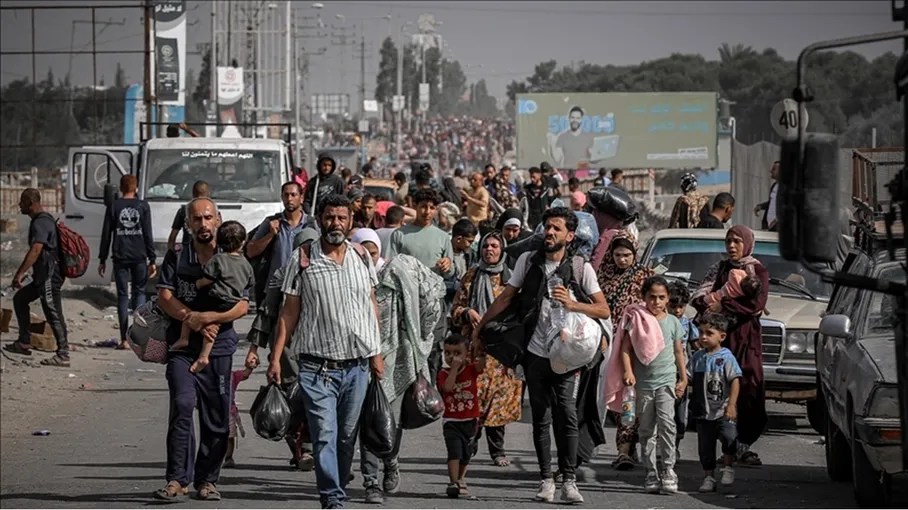
Since the beginning of the aggression, approximately 100,000 Palestinians have been forced to leave the Gaza Strip and almost two million residents have been internally displaced from their homes.
In the West Bank, increasing Israeli aggression and settler terrorism have resulted in killing 1,102 Palestinians and injuring 9,034 others.
These human losses and forced displacements have had a direct impact on population decline. Estimates show that by the end of 2025, Palestine will have a population of 5.56 million, of which 3.43 million Palestinians live in the West Bank.
In contrast, the Gaza Strip has experienced a significant and unprecedented population decline of approximately 254,000, a 10.6% drop compared to pre-war population estimates. The current population of Gaza is 2.13 million, reflecting what the Palestinian Central Bureau of Statistics has described as a severe demographic hemorrhage resulting from killings, displacement and worsening living conditions.
By the end of 2025, the estimated number of Palestinians worldwide will reach approximately 15.49 million, including 5.56 million living in the State of Palestine, while 1.86 million live in the territories of 1948. Estimates also show that the number of Palestinians in the diaspora has reached approximately 8.82 million, with 6.82 million concentrated in Arab countries, while the rest are scattered in other countries around the world, reflecting the widening distribution of the population as a result of political and historical forces.
A new society despite demographic losses
Despite the losses considerable human resources, Palestinian society remains young. Population estimates at the end of 2025 showed a new age structure, with children aged 0-4 making up approximately 13% of the total population in the State of Palestine (12% in the West Bank and 14% in the Gaza Strip).
The population under the age of 15 made up about 36% of the total population (35% in the West Bank and 39% in the Gaza Strip), while individuals under the age of 30 accounted for approximately 64%. In contrast, the elderly (aged 65 and over) accounted for less than 4% of the total population, further confirming the continued youth of Palestinian society and its high dependency ratio.
Almost complete destruction of the health system
The Israeli aggression in the Gaza Strip, which began on October 7, 2023, led to the almost complete collapse of the health system. According to the World Health Organization, approximately 94% of health facilities and hospitals in the Strip were damaged or destroyed. Only 19 of the 36 hospitals remain partially functional and at very limited capacity, facing serious shortages of drugs and medical supplies, shortages of health personnel, and frequent interruptions in the supply of fuel needed to operate generators.
Currently, only about 2,000 hospital beds are available in the Gaza Strip for a population exceeding two million. This is an extremely low number and is far from meeting minimum health needs, especially given the significant increase in the number of wounded and sick.
Critical health and nutritional conditions for women and children
Data from the Ministry of Health reveal dire humanitarian consequences. Approximately 60,000 pregnant women in the Gaza Strip are at serious health risk due to lack of or limited access to health services. An estimated 155,000 pregnant and breastfeeding women face serious difficulties in accessing prenatal and postnatal care.
In addition, over 70% of Gaza’s population relies on contaminated or unsafe drinking water.
The education sector has suffered unprecedented destruction, particularly in the Gaza Strip. By early December 2025, more than 179 public schools had been completely destroyed, while another 218 had been bombed or damaged, including 118 public schools and 100 UNRWA schools.
In the West Bank, schools faced repeated attacks and demolition orders.
At the higher education level, 63 university buildings in the Gaza Strip had been destroyed. completely, while eight universities in the West Bank had been subjected to repeated attacks and vandalism.
The Palestinian Central Bureau of Statistics (PCBS) noted that human losses in the education sector were dire, with 18,979 students killed, including 18,863 in the Gaza Strip, and 797 teachers and administrators and 241 employees in the higher education sector, reflected.
Economic indicators for 2025 reveal an unprecedented collapse of the Palestinian economy. The GDP of the Gaza Strip has decreased by 84% compared to 2023, reflecting almost complete economic paralysis. In the West Bank, GDP fell by 13%, despite a slight increase of 4.4% compared to 2024.
Gaza’s economy continued to shrink in 2025, recording a further decline of 8.7%. Unemployment has reached catastrophic levels, with 46% of the Palestinian workforce unemployed (28% in the West Bank and 78% in the Gaza Strip), among the highest rates globally. The number of unemployed has risen to approximately 650,000, underscoring the depth of the economic and social crisis. /square
Source: prizrenpost
Etiketa: Brief