Sunday, August 23rd 2026
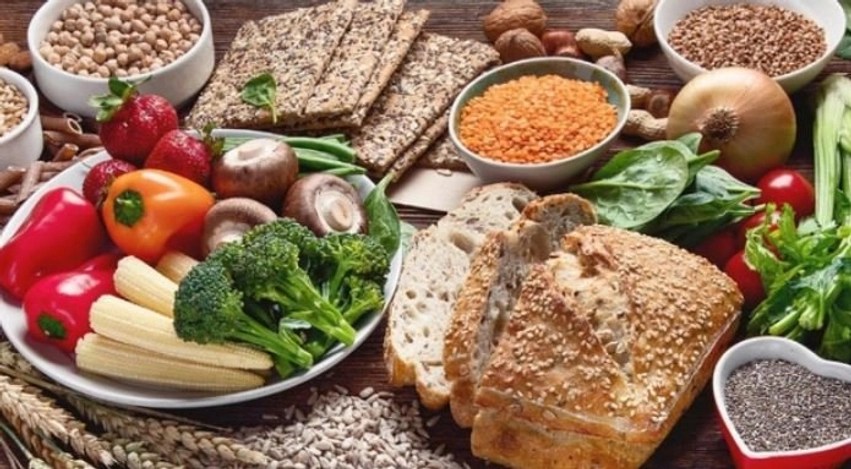
Light meals high in protein and fiber can help you feel full between meals, but choosing a truly healthy meal requires looking beyond the claims on the package. Marketing tactics, deceptive portion sizes, and synthetic additives can make a food appear healthier than it actually is.
1. Putting too much faith in front-of-pack claims
Claims like “High Protein” or “Excellent Source of Fiber” highlight some specific nutrients, but don’t tell the whole story. According to the rules of the US Food and Drug Administration (FDA), foods that are labeled as “high” (rich) or “excellent source” (excellent source) of a nutrient must provide at least 20% of the Daily Value per serving.
However, a product can meet these criteria and simultaneously contain high amounts of:
added sugar,
saturated fats,
sodium.
Check the full nutrition label: Don’t base your decision solely on the advertising claims on the front of the package.
Look beyond protein and fiber: Compare added sugars, saturated fat, sodium and calories alongside protein and fiber to get a more complete picture of nutritional quality.
It’s easy to think that an individually packaged snack only contains one serving, but that’s not always true. Some protein bars, trail mixes, crackers, and other packaged foods contain two or more servings. If you eat the whole package, it can significantly increase the amount of calories, sodium and added sugar you consume.
Check the portion size first: Even packages that look like they are for one person may contain several servings.
Calculate the total amount you consume: If the label says 150 calories and 200 milligrams (mg) of sodium per serving and the package contains two servings, eating the entire package means consuming 300 calories and 400 mg of sodium.
3. Focus only on protein and fiber
Protein and fiber are important, but they are not the only nutrients that matter. If you only look at grams of protein or fiber, you may miss:
added sugars,
sodium,
saturated fats,
the overall quality of the ingredients.
For example, a snack with 8 grams of protein from nuts and seeds can also provide healthy fats, vitamins and minerals in addition to protein and fiber. Meanwhile, another food may contain twice as much protein, but also much more added sugar, sodium or saturated fat.
Keep added sugars in check: When possible, choose foods with relatively low amounts of added sugar.
Beware of sodium and saturated fat: Choosing foods with less sodium and saturated fat helps support a heart-healthy diet.
Consider the whole product: The healthiest food is not necessarily the one with the highest protein or fiber count. It is the one that provides a balanced nutritional profile.
4. Ignore the source of protein and fiber
Not all protein and fiber come from the same sources. Many packaged foods increase their nutritional value by using protein isolates or added fiber, such as:
whey protein isolate,
soy protein isolate,
inulin,
chicory root fiber,
soluble corn fiber.
These ingredients aren’t necessarily unhealthy, but they don’t always provide the same mix of vitamins, minerals, and other beneficial ingredients found naturally in whole foods. Some isolated fibers found in processed foods can also cause bloating or digestive upset in people who are sensitive to them.
Read the ingredients list: Look for whole foods like nuts, seeds, beans, oats or whole grains at the top of the ingredients list.
Learn what’s added: Protein powders and isolated fibers can boost the numbers on the nutrition label, but they shouldn’t completely replace the ingredients in whole foods.
5. Thinking that “more” is always better
Choosing the snack with the highest amount of protein or fiber is not always the healthiest strategy. A 2024 study found that excessive protein consumption, particularly more than 25 grams in a single meal, can activate cellular pathways that can increase cardiovascular risk. Increasing fiber intake too quickly can also cause:
gas,
swelling,
abdominal discomfort,
constipation,
especially if you don’t drink enough fluids.
Increase fiber gradually: If you currently consume little fiber, increasing it little by little helps prevent digestive upsets.
Choose the amount of protein you need: Many snacks provide enough protein to keep you full between meals without adding unnecessary calories.
How to Read Snack Food Labels Effectively
Reading nutrition labels doesn’t have to be complicated. A few simple habits can help you compare products more effectively.
Start with portion size: Make sure you’re comparing how much you’ll actually eat.
Look beyond protein and fiber: Check the added sugars, sodium, saturated fat and total calories before you make the decision.
Read the ingredients list: When possible, choose foods that have whole ingredients at the top of the list, such as nuts, seeds, legumes, or whole grains.
Focus on balance: A balanced diet, with moderate amounts of protein and fiber, is often a better choice than a product that simply advertises very high numbers on the front of the package.
Source: prizrenpost