Tuesday, January 20th 2026
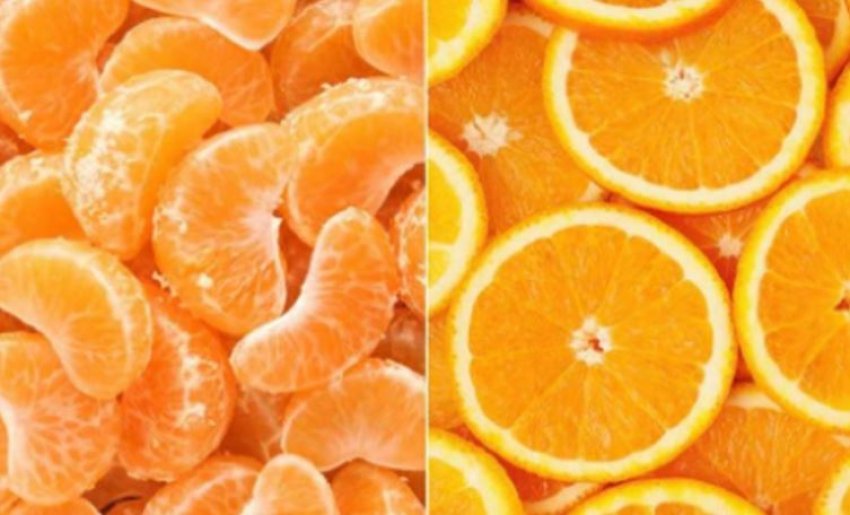
Citrus fruits stand out for their taste and health benefits, as eating oranges, tangerines and clementines can be a delicious way to strengthen the immune system and provide valuable nutrients.
Oranges are considered the protagonists of winter, as they contain minerals and antioxidants, and have been linked to various health benefits, such as improving the function of the immune system, reducing inflammation, reducing the risk of heart disease and cancer, as well as better iron absorption.
But how nutritionally are they better than mandarins?
Despite the difference in size, the two fruits have similar calories and carbohydrates: about 47 calories for the orange and 47–53 for the tangerine, as well as 11–12 g of carbohydrates for the orange and 11–13 g for the tangerine.
Oranges win the battle in vitamin C content, with about 59.1 mg per 100 g, compared to 26.7 mg for ordinary tangerines. However, clementines contain about 48.8 mg, which is more vitamin C than tangerines.
Oranges contain more fiber, which keeps us full longer if we eat them whole. They also contain carotenoids, flavonoids, folate and potassium.
Mandarins also contain antioxidants, carotenoids, small amounts of minerals and vitamins, and, compared to oranges, they have a relatively higher content of vitamin A, thanks to beta-carotene.
What should you be careful about when eating oranges?
The acidity of oranges can affect people with gastroesophageal reflux or sensitivity to stomach.
Orange juice loses its high fiber content and may contain more sugars, especially if it has added sugar.
What should you watch out for when eating tangerines?
The lower fiber content per 100g compared to an orange means you may lose some of these “benefits” if the amount is small.
In some varieties, tangerines may have less vitamin C, so if your diet is based on minimal amounts of the fruit, oranges provide more content.
When it comes to citrus fruits, the differences between types are actually small. It all depends on needs, taste and how you include them in your diet.
If you want the maximum intake of vitamin C and fiber in one serving, oranges probably offer a better ratio.
If you are looking for convenience, tangerines are more practical as they can also be eaten as a snack. In fact, if you eat more than one, your intake of vitamin C increases.
It’s good to alternate citrus varieties to take advantage of the diversity of nutrients and antioxidant compounds.
Source: prizrenpost