Saturday, May 2nd 2026
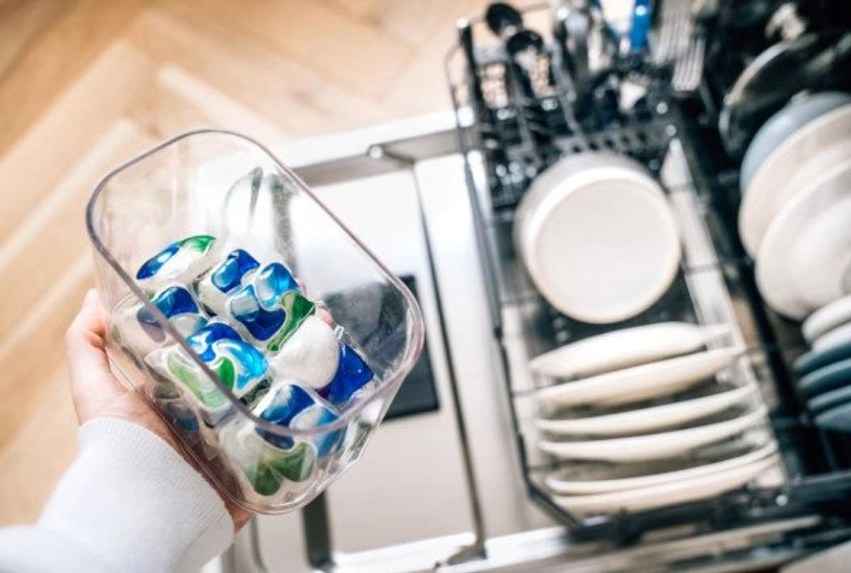
Tens of thousands of young children are injured each year by common household items that many parents don’t think to keep locked away.
More than 240,000 children age 5 and younger were treated in US emergency departments for injuries related to household cleaning products over a 16-year period, according to estimates published in a large new study in Pediatrics .
Young children are especially at risk since they cannot read or understand the warning language, but the steps parents and caregivers can take to keep children safe are easy and straightforward.
Dr. Leana Wen, an emergency physician and associate professor at George Washington University, says this study analyzed national emergency department data over a 16-year period, from 2007 to 2022, focusing on unintentional injuries among children 5 and younger. The researchers used a federal surveillance system that tracks injuries related to consumer products across the United States.
They estimated that 240,862 young children were treated in emergency departments for injuries related to household cleaning products during that time. Most of these cases, almost 60%, involved ingestion, meaning the child swallowed the product. Nearly 40% were through contact, and a small percentage, 1.2%, involved inhalation.
Two product types stand out: Bleach accounted for about 30% of injuries, and laundry and dish detergents for nearly 29%. In terms of how the products were packaged, detergent packets were linked to about a third of the injuries, spray bottles to just over a quarter, and other containers, such as bottles or open containers, accounted for a smaller but still significant portion.
Bleach has remained a persistent source of injury over time, in part because it is widely used in many households and often stored in places accessible to children. Detergents are also a big contributor, especially with the introduction of concentrated products like laundry and dish detergent packets that are small and brightly colored and often resemble candy, which can make them especially attractive to young children.
CNN: What types of injuries are most common and how serious are they?
Wen: Poisoning accounted for about 64% of diagnoses, according to the study. Other common diagnoses included chemical burns, which accounted for about 14%; and skin or eye irritation, including dermatitis and conjunctivitis, in about 11%.
About 7% of the children in this study needed hospitalization. Of these cases, approximately 84% involved ingestion, and nearly half of hospitalized children were 1 year of age or younger.
These statistics underscore that injuries involving household products can be very serious. These cleaners are designed to break down grease and stains and destroy bacteria, and the same properties that make them effective can damage human tissue, CNN writes.
It’s also important to note that the results don’t include children who were treated at their pediatrician’s office or an urgent care center, meaning the total number of cases involving exposure to household products is probably much higher. The authors reported that in 2023 alone there were 90,000 calls to poison control centers involving these products.
We use cookies to improve the experience and display ads (Google AdSense).
By clicking “Accept”, you agree to the use of cookies according to
Privacy Policy
and
Cookies Policy.
You can reject non-necessary cookies by clicking “Reject”.
Source: prizrenpost


