Saturday, March 14th 2026
A career between life and death, who was John F. Burns?
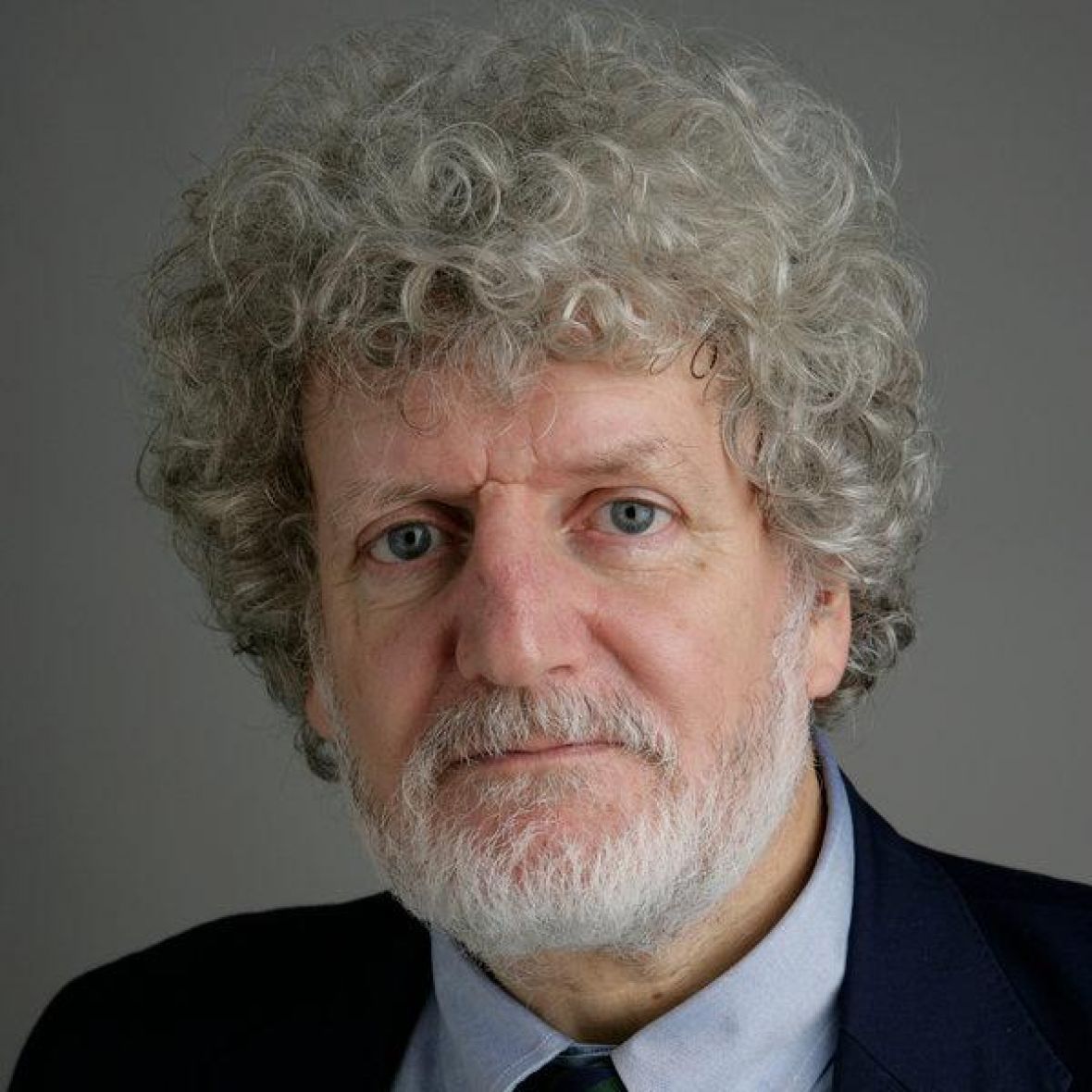
John Fisher Burns, one of the most famous war reporters in modern history and a longtime correspondent for the American newspaper The New York Times, has died at the age of 81 in a nursing home near Cambridge, England.
During more than four decades of his journalistic career, Burns reported from the most dangerous places in the world, including Bosnia, Afghanistan, Iraq, South Africa and the then Soviet Union. His reporting marked some of the most important events of the late 20th and early 21st centuries.
Burns was known for his powerful and vivid reporting that brought the human dimension of wars and political crises to readers around the world. He was described by The New York Times editorial staff as a journalist who was always willing to go to the most dangerous places to bring the story from the front lines.
He began his career at The New York Times in 1975 after working for the Canadian newspaper The Toronto Globe and Mail. Over the years, he was a correspondent in numerous world centers and crisis zones.
He won two Pulitzer Prizes for his reporting. He won the first in 1993 for reporting from Bosnia during the war and the siege of Sarajevo, while he won the second prize in 1997 for reporting from Afghanistan under Taliban rule.
Burns spent almost two years in besieged Sarajevo, reporting on the daily lives of citizens under siege, shelling, sniper fire and people’s struggle to maintain their dignity in conditions of near-death. impossible.
His messages from Sarajevo remained some of the most touching records of the war in Bosnia and Herzegovina. His report on a cellist playing among the ruins of the city is particularly memorable, symbolizing the resilience and strength of Sarajevo’s spirit.
Burns has repeatedly emphasized throughout his career how much Sarajevo left a strong imprint on him.
In an interview, he also spoke about the verdict against Radovan Karadzic, which he described as a potential “epic moment” for the Balkans if it marks the end of the long process of dealing with genocide and war crimes.
He also recalled his first meeting with Karadzic in the early 1990s in Belgrade, shortly before the outbreak of war in Bosnia, when, he said, the atmosphere of that meeting seemed almost idyllic, before events revealed the brutal reality.
He later wrote that it was all a “grotesque illusion” because only a few weeks after that meeting, attacks, destruction and cleansing began. ethnic group in Bosnia.
A special place in his work is occupied by the letter he sent to the people of Sarajevo on the occasion of the anniversary of the siege of Sarajevo.
In it, he wrote that the name of Sarajevo would be engraved forever in his heart, as Queen Mary of England once said about the lost city of Calais.
“In my heart, and I am sure in the hearts of many others who lived with you during the epic siege, the name Sarajevo will be engraved,” Burns wrote.
He thanked the people of Sarajevo for allowing journalists to tell the world the story of a city that, he wrote, “refused to die.”
“Your story was an epic account of strength, human spirit and unwavering determination to survive even when most of the world turned its back,” he said. Burns.
During his career, Burns reported from almost every major global conflict in recent decades. He worked from South Africa during the war against apartheid, from the Soviet Union during the fall of the empire, from Iraq during US military operations and from Afghanistan during the Taliban rule.
His reporting has helped millions of readers understand complex political and humanitarian crises around the world.
The death of John F. Burns marks the departure of one of the last great war reporters of a generation whose work shaped international journalism. /tesheshi
We use cookies to improve the experience and to display ads (Google AdSense).
By clicking “Accept”, you agree to the use of cookies according to
Privacy Policy
and
Cookies Policy.
You can reject non-necessary cookies by clicking “Reject”.
Source: prizrenpost
Etiketa: Brief