Wednesday, March 4th 2026
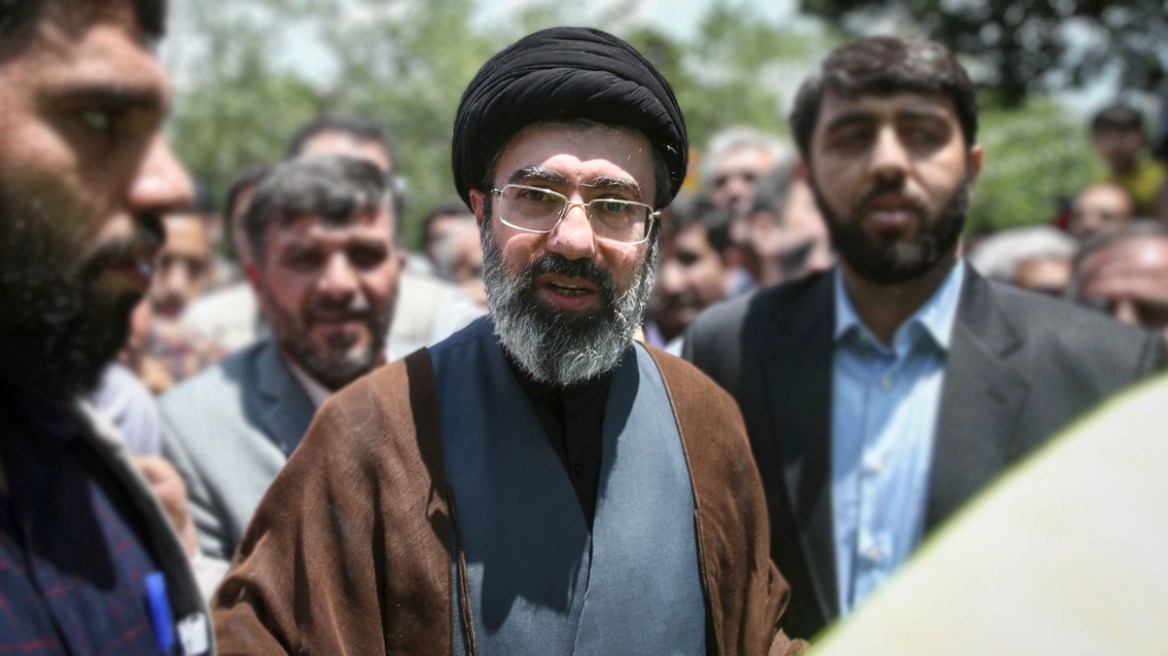
Under Epstein attack, Tehran refuses to submit and chooses next Ayatollah
Mojtaba Hosseini Khamenei, an Iranian politician, cleric and son of Ayatollah Ali Khamenei, was elected Iran’s next Supreme Leader under pressure from the Islamic Revolutionary Guard Corps (IRGC), according to Iran International.
Mojtaba Hosseini Khamenei was born on September 8, 1969 in Mashhad, Iran. He studied theology and was educated at Qom’s seminary center, where leading Shiite theologians, among others, taught.
He was a member of the Revolutionary Guard and in 2009 was involved in leading the Basij paramilitary forces to quell protests after disputed elections.
Despite his significant “experience” in the world of power, he never held a high official state position. Many observers regard him as one of the most influential behind-the-scenes figures in Iranian power, with significant ties to the Revolutionary Guards and the theocratic regime of the mullahs.
Before his father’s death, he was often mentioned as a possible candidate for the role of Supreme Leader – although this would have been a break with Iranian tradition and the principles of the Shia hierarchy, which avoids succession. “hereditary”.
The idea of a transition of power from father to son, in a country that overthrew monarchies in 1979, is regarded by many Iranians and analysts as undemocratic – or incompatible with the theological principles of the Shiite establishment.
The 57-year-old successor to Khamenei is one of the most controversial and powerful “behind the scenes” men in the country’s political and military elite. of Iran – a theologian and son of the country’s longest-serving leader – and now a central figure in the developments.
The selection of Ayatollah Ali Khamenei’s successor is expressly laid out in the Iranian Constitution and is the responsibility of the Assembly of Experts, the same body that elevated him to the leadership position in 1989. According to the Constitution, the successor to the supreme leader must be chosen by the Assembly of Experts.
This is a body of 88 clerics, who – formally – are elected by the people every eight years. However, in practice, only clerics who are considered absolutely loyal to the Republic are qualified to run. /tesheshi
We use cookies to improve the experience and to display ads (Google AdSense).
By clicking “Accept”, you agree to the use of cookies according to
Privacy Policy
and
Cookies Policy.
You can reject non-necessary cookies by clicking “Reject”.
Source: prizrenpost
Etiketa: Brief