Wednesday, January 7th 2026
Appearance is deceiving – even healthy food is not always enough
Research in the field of genetics and lipids shows that blood cholesterol levels are determined more by genes than by food, body weight or physical activity.
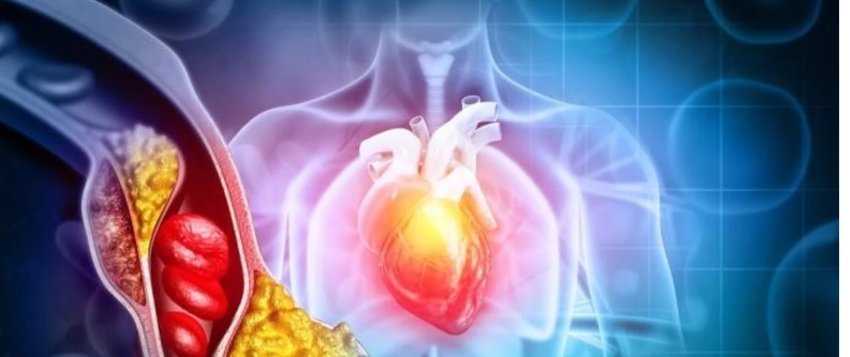
The liver produces most of the cholesterol in our body, while the rate of this production is mainly controlled by genes. For this reason, some people, even though they eat healthily and exercise regularly, may have high levels of LDL cholesterol, which builds up in the walls of the arteries and over time narrows them, increasing the risk of cardiovascular disease.
Is high cholesterol always inherited?
Although genetics play an important role, most cases of high cholesterol are not inherited. In most people, increased values are related to lifestyle: food rich in saturated and trans fats, lack of physical activity, obesity and chronic stress. Certain diseases such as diabetes, hypothyroidism, chronic kidney disease and fatty liver, as well as certain drugs (corticosteroids, diuretics, beta-blockers) can also affect the increase in cholesterol.
The inherited form, known as familial hypercholesterolemia (FH), accounts for less than 5% of all cases, but is more dangerous because it appears early and usually does not respond sufficiently to changes in diet and lifestyle.
Doctors are noticing more and more often that even thin people, who outwardly appear perfectly healthy, can have significant deposits in their blood vessels, similar to those of much older people. For this very reason, experts emphasize that the external appearance is not a sure indicator of internal health, Telegrafi reports.
One of the most frequent causes is familial hypercholesterolemia (FH), an inherited condition that affects about one in 200-250 people. It is a question of genetic mutations (most often in the LDLR, APOB or PCSK9 genes), due to which the body cannot efficiently remove excess LDL cholesterol from the blood. As a result, LDL-cholesterol values can even exceed 4.9 mmol/L, without any visible symptoms.
Without treatment, FH significantly increases the risk of early heart attack or stroke, often as early as the forties. Studies from the Mayo Clinic show that people with untreated genetic cholesterol have up to a 20-fold higher risk of cardiovascular disease at a young age.
The easiest way to find out if you are at risk is with a blood test. A lipid profile is recommended, which measures total cholesterol, HDL, LDL and triglycerides. If the LDL values are high, while the weight, food and lifestyle are regular, the doctor may suspect an inherited form and recommend checking also for family members, as well as – if possible – genetic testing.
Doctors appeal not to wait for symptoms, but to check the lipid profile at least once a year. Cholesterol doesn’t hurt, but it silently damages your blood vessels and heart, regardless of whether you’re thin or at an ideal weight.
Source: prizrenpost