Tuesday, July 28th 2026
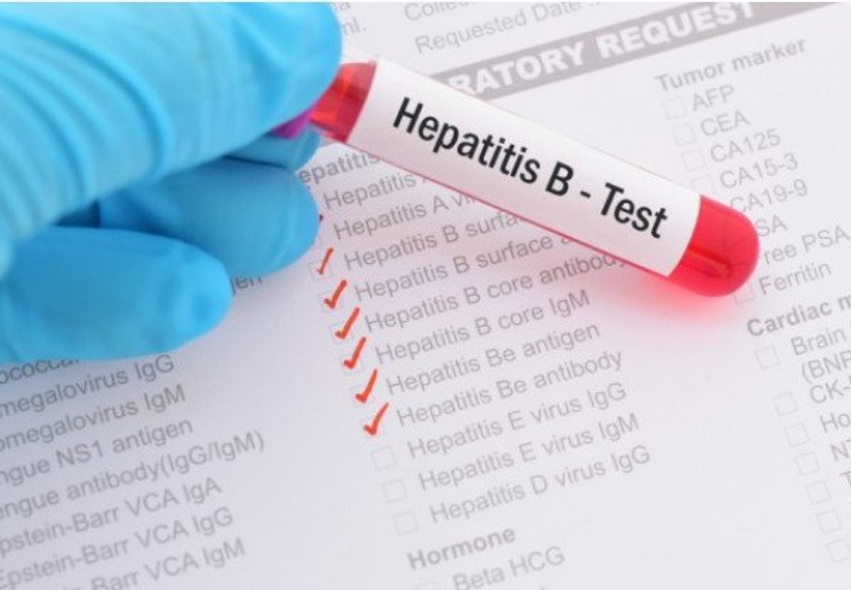
July 28 has been chosen as World Hepatitis Day, in honor of the birthday of Professor Baruch Blumberg Samuel, the discoverer of the hepatitis B virus and the first hepatitis B vaccine.
The World Health Organization (WHO), every year organizes World Hepatitis Day to increase information and awareness about hepatitis and the consequences it causes.
There are many types of hepatitis. All are liver infections and cause jaundice (yellowing of the whites of the eyes and skin), vomiting and weakness.
Most children recover, but some have chronic liver problems. Each year, the hepatitis B virus causes infection in more than 200,000 people in the United States, and 4,000 to 5,000 people die as a result of chronic problems from hepatitis B. This virus is mainly acquired through contact with infected blood or through close contact with wet body surfaces, such as during sexual intercourse. Babies can be exposed to hepatitis B during birth.
Mothers are tested during pregnancy. Babies and children can also get it from family members. Nature of vaccination: In November 1991, the Advisory Committee on Immunization Practices of the Centers for Disease Control and Prevention recommended vaccination of all infants in the United States.
One dose is given during the first two months after birth, but not before six months of age. (Special practices are used for babies of mothers who are found to have certain signs of hepatitis B in their blood during prenatal tests.) For children who have not been vaccinated since infancy, vaccination can be started at any age. As the main route of infection is sexual intercourse, vaccination should be done before adolescents become sexually active.
Also, in May 2014, the World Health Assembly adopted a resolution to promote international action to prevent, diagnose and treat viral hepatitis. On World Hepatitis Day, activities are held around the world focusing on the prevention of hepatitis B and C.
Source: prizrenpost