Sunday, March 15th 2026
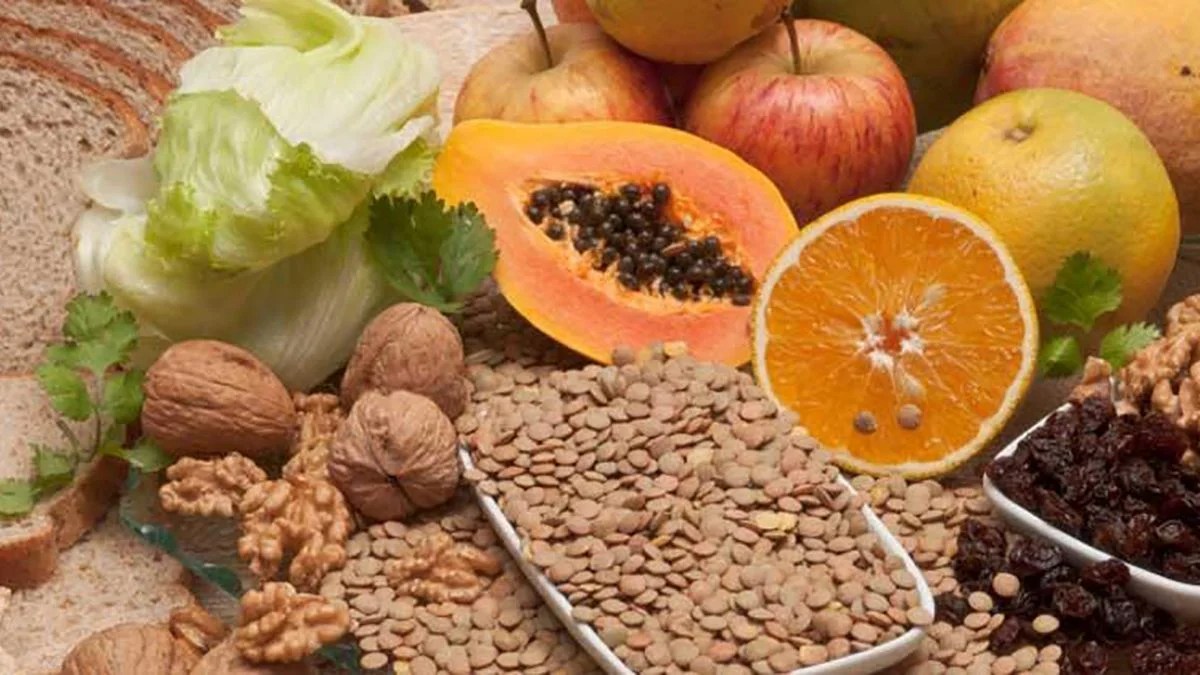
Dietary fiber – often known as “roughage” – is a type of carbohydrate found in foods of plant origin.
Although the human body does not completely digest fiber, it is very important for health. Its consumption brings a number of benefits, including improving digestion, supporting heart health and helping with weight control.
But how much fiber should we consume each day and what happens if we exceed the recommended amount?
To clarify this, the Metro newspaper (UK newspaper) spoke to Barbara Kubicka, a doctor and former general practitioner at the National Health Service, who explains what happens in the body when we consume too much fibre. Some of the effects, according to her, are not pleasant at all.
How much fiber should adults consume every day?
According to Dr. Kubicka, adults should aim for about 30 grams of fiber per day.
Ideally, this amount should come from a combination of foods such as:
She emphasizes that the increase in fiber consumption should be done gradually, while it is very important to drink enough water.
When the amount of fiber increases too quickly, then various digestive symptoms often begin to appear.
Fiber plays a very important role in the health of the system. solvent. According to the doctor, most people in the UK don’t actually consume enough fibre.
regulating blood sugar levels
However, as with most things in nutrition, there can be too much of a good thing, especially if the increase in consumption is done too quickly.
When this happens, the gut may struggle to adapt and some discomfort may arise.
Signs that you are consuming too much fiber
One of the first symptoms people notice is bloating.
If you suddenly increase your fiber intake – especially from whole grains, legumes or supplements – the bacteria in your gut start to ferment more fiber.
This process produces gas and can cause an uncomfortable feeling of bloating after eating.
Along with bloating, many people notice an increase in gas.
A slight increase is normal when you improve your diet, but if it becomes excessive, it may be a sign that the digestive system is trying to adjust to the sudden change.
Some people may also experience abdominal cramps or digestive discomfort.
Insoluble fiber, found in foods such as bran or some whole grains, can strongly stimulate the intestines. If the body is not used to it, it can cause pain or cramping.
Although fiber usually helps digestion, in some cases it can have the opposite effect.
Fiber adds bulk to the stool and absorbs water. If you increase your intake without drinking enough fluids, your stools may become harder and harder to pass.
More frequent or softer stools
On the other hand, in some people, digestion may speed up.
A very high fiber intake can speed up the movement of food through the intestines, leading to softer stools or a more frequent need to go to the toilet. toilet.
According to Dr. Kubicka, a simple sign can also be the fact that the stomach starts to make frequent noises, like gurgling.
This happens because large amounts of fiber ferment in the intestines and produce gas.
Therefore, experts recommend that the amount of fiber be increased gradually, always accompanied by enough water, so that the digestive system has time to adapt.
We use cookies to improve the experience and display advertisements (Google AdSense).
By clicking “Accept”, you agree to the use of cookies according to
Privacy Policy
and
Cookies Policy.
You can reject non-necessary cookies by clicking “Reject”.
Source: prizrenpost