Friday, February 6th 2026
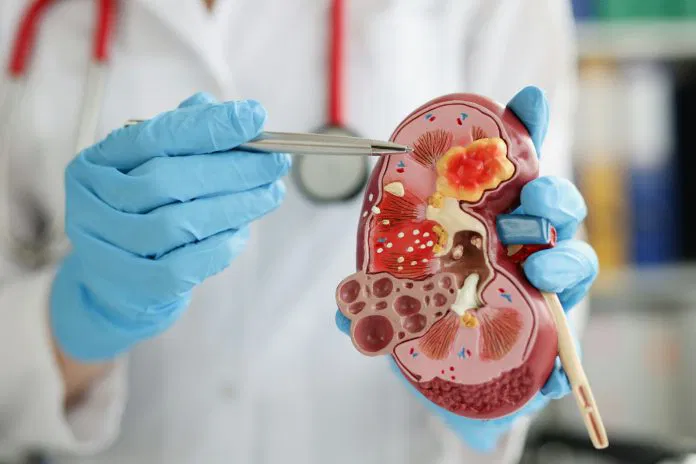
Kidneys are our body’s filtering engine, but over the years, this engine can begin to lose its power. Kidney failure occurs when excess waste and fluid can no longer be eliminated, becoming a serious health threat.
In the elderly, this condition is as common as it is hidden, as warning signs are often disguised as “signs of age.” Unlike many diseases that appear with severe pain, kidney problems start with fatigue and general weakness.
The accumulation of toxins in the blood makes the person feel sleepy and with “foggy” thoughts. This is often accompanied by edema, or swelling of the feet and ankles, as weak kidneys cannot remove excess water from the system.
Urining is the first indicator of kidney health. Any changes, such as frequent urination at night, foamy urine, or the presence of blood, should be viewed with concern. When the kidneys do not work, the body undergoes a type of self-poisoning called uremia.
This brings about an immediate loss of appetite, a bad taste in the mouth and even nausea, directly affecting body weight. A sign that is often overlooked is itchy and dry skin, which comes from an imbalance of phosphorus and minerals.
Also, anemia caused by kidney disease makes the elderly feel cold even in warm environments. At the level of cognitive abilities, confusion or mood swings can be mistaken for dementia, when the real cause may be kidney dysfunction.
In the most severe stages, breathing difficulties and heart rhythm disorders appear. The main causes remain chronic diseases such as diabetes and high blood pressure. Since the damage develops slowly, the best defense is vigilance.
Simple blood and urine tests can catch the problem before it becomes irreversible. Early detection not only slows down the disease, but gives the elderly the opportunity to enjoy an active and quality life./tesheshi.com/
Source: prizrenpost