Thursday, July 16th 2026
During a heat wave, most people will look to fans and other ways to cool off.
But the solution may be hiding in the fridge. Gut health is key to the overall state of the body and experts explain how it affects our response to heat, writes Express.co.uk.
The link between gut health and heat
Gut health expert from scientific company ZOE, epidemiologist Tim Spector, confirmed that the state of our gut can play a role in how we cope with the stress caused by high temperatures. Although a healthy gut doesn’t make anyone immune to the effects of heat, Spector points out that there are foods that can make life easier for us during heat waves.
“Gut health can play an important role in how we cope with physical stress, which includes heat. When temperatures rise, the body is under greater strain and hydration becomes even more important for digestion, circulation and body temperature regulation,” he said. he.
“If you’re dehydrated, your digestion can slow down, your gut can become more sensitive, and that can affect your gut microbes. For some people, that can mean more bloating, discomfort, or sluggishness during hot weather.”
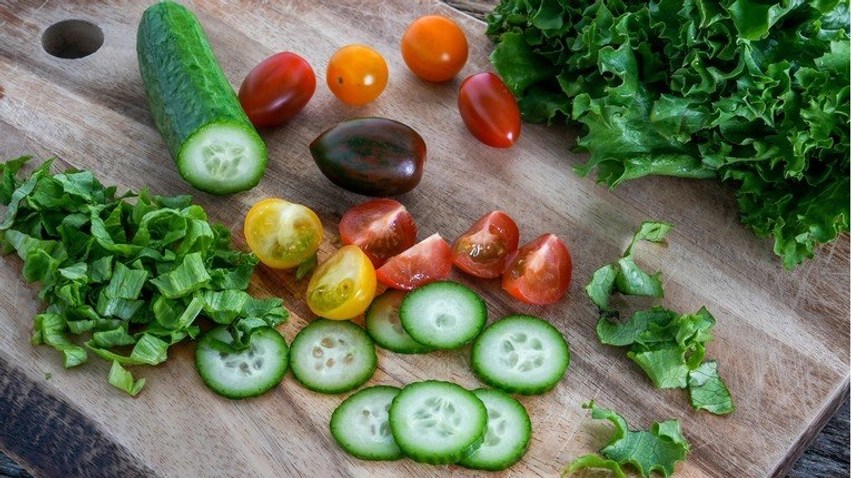
Spector recommends water-rich plants like watermelon, cucumbers, berries, tomatoes, citrus fruits, lettuce, and other leafy greens like a great place to start.
“They help with hydration, but also provide fiber, minerals, and polyphenols that feed your gut microbes. Fermented foods like yogurt with live cultures or kefir can also be helpful in supporting your microbiome,” he explained.
He added, “In hot weather, I’d generally choose lighter, plant-based meals over heavy, rich, ultra-rich foods.” processed foods, which can make people feel sluggish.” When and how to eat the recommended foods Spector advises eating these foods regularly throughout the day, rather than waiting until you feel overheated or dehydrated it could be yogurt with live cultures or kefir with berries, nuts and seeds, or overnight oatmeal with fruit,” he said.
“Throughout the day, water-rich foods like melons, cucumbers, tomatoes, or berries can help maintain fluid intake. For lunch and dinner, lighter meals with lots of vegetables, beans, lentils, whole grains, herbs, and olive oil are usually better choices than heavy meals,” concluded Spector.
His recommendations were supported by Antonios Athanasiou, a gastrointestinal surgeon at Nuffield Health. He also advises eating fruits and vegetables with a high water content and avoiding heavy and fatty meals.
“Fruits and vegetables with a high water content, such as watermelon, cucumbers, tomatoes, oranges and strawberries, can help with hydration as part of a healthy diet. I would also suggest avoiding very heavy or fatty meals during hot weather, as these tend to make people feel sluggish and can be more difficult to digest. Foods like yogurt, which contain natural probiotics, can also be helpful in maintaining good gut health,” said Athanasiou.
Source: prizrenpost