Wednesday, June 3rd 2026
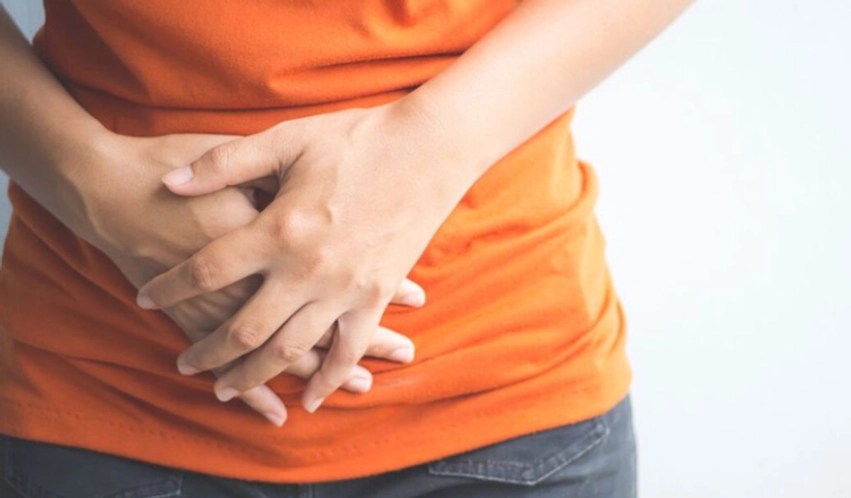
Bloating is one of the most common daily concerns. Sometimes it appears after a large meal, sometimes for no apparent reason, creating discomfort, heaviness and often irritation. Many consider it “normal”, but experts point out that the gut works as a very sensitive mechanism that is affected by diet, stress, sleep and our daily habits.
In recent years, its health has been linked not only to digestion, but also to general well-being, the immune system and even longevity. And while there is no “magic” solution for everyone, small changes in everyday life can often significantly reduce bloating, especially now that summer is here and we want to feel as light as possible.
Habits that will “save” you from bloating
A high-fiber diet helps maintain proper bowel function and increases the “good” bacteria in your gut. Foods like oats, beans, oranges, sweet potatoes and vegetables can aid digestion and improve bowel function.
However, balance is everything. The secret is gradual growth and proper hydration throughout the day.
2. A short walk after eating helps more than you think
After a large meal, many people feel the urge to lie down on the couch. But a short walk may actually be the best option. According to research, even a leisurely 10 to 15 minute walk after eating can significantly help reduce bloating.
Movement naturally activates the digestive system and helps the bowels function better. At the same time, it can reduce the feeling of heaviness and discomfort that occurs after meals.
In our fast-paced lives, many people eat in a hurry in front of a screen or while standing. But digestion begins in the mouth. Research shows that proper chewing of food helps break down food and makes the whole digestive process easier. In addition, when we eat more slowly, we are less likely to eat more food than we actually need. Experts even point out that eating quickly can lead to more air in the stomach, which contributes to bloating.
Vegetables are considered a basic element of a healthy diet. However, raw vegetables may be more difficult for some people to digest. People who experience frequent bloating often feel better when they choose cooked vegetables instead of raw salads. Cooking helps to “soften” the fibers and makes the food easier to digest. This does not mean that you should give up salads, but it is worth observing how your body reacts and consult your doctor before making any changes to your diet.
Experts explain that eating large and irregular meals can strain the digestive system and cause discomfort. Conversely, smaller, more consistent meals throughout the day often help reduce bloating and improve digestion. Even consistent meal times can help the body function better.
When should you pay attention to bloating?
Although occasional bloating is common, experts stress that when symptoms persist or are accompanied by severe pain or discomfort, it is important to get a medical evaluation.
Source: prizrenpost