Tuesday, May 12th 2026
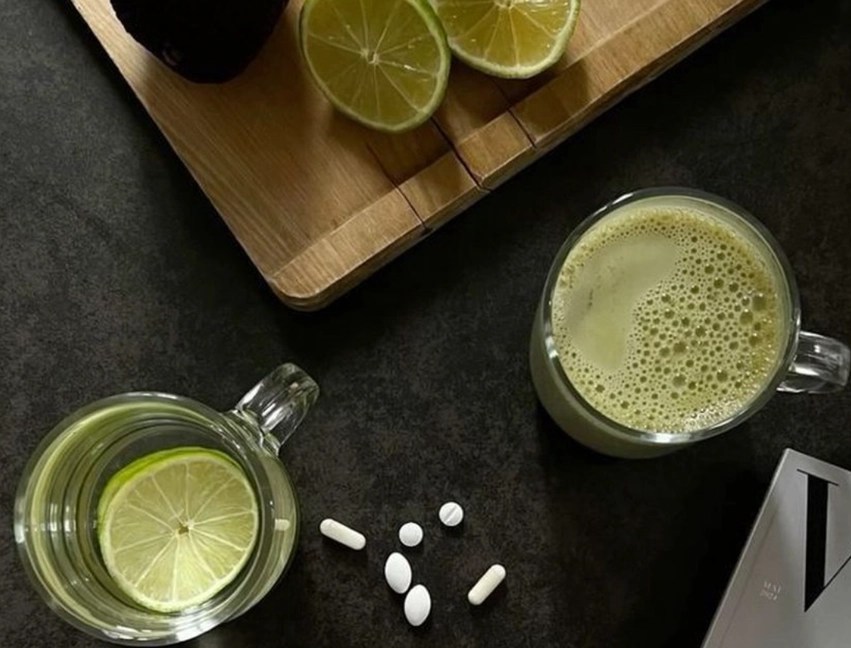
Vitamin Q, also known as coenzyme Q10 or ubiquinone, is considered one of the most important substances for the body’s energy and well-being. It has become increasingly popular in recent years thanks to its role in fighting fatigue, skin aging and improving heart health.
This molecule is produced naturally by the body itself and is found in almost every cell, so it is called “ubiquinone”, from the Latin “ubi”, which means “everywhere”. Its structure is similar to vitamins E and K and, being fat-soluble, the body is able to store and use it as needed.
The main function of vitamin Q is the production of energy in cells. It helps the body convert food into energy and plays a key role in the functioning of important organs such as the heart, liver, pancreas and kidneys.
In addition, vitamin Q has a powerful antioxidant effect. It helps protect cells from free radicals and slows down the cellular aging process.
This is also the reason why coenzyme Q10 is often used in anti-wrinkle creams and rejuvenating cosmetic products. According to specialists, it helps preserve collagen and elastin, making the skin more elastic and toned.
One of the most well-known benefits of vitamin Q is increasing energy and reducing physical fatigue. Many people use it as a supplement to combat exhaustion and lack of energy, especially after the age of 50, when its natural production by the body begins to decrease.
It also plays a role in strengthening the immune system and helps the body better cope with infections and oxidative stress.
Some studies show that coenzyme Q10 can also positively affect the control of blood sugar levels and the reduction of LDL cholesterol. known as “bad cholesterol”.
Vitamin Q is mainly found in animal products. The richest sources are beef, chicken and pork, especially liver.
Significant amounts of it are also found in fatty fish such as salmon, tuna, sardines.
However, over the years, the body produces less coenzyme Q10, so many people choose to take it in supplement form.
According to recommendations, the daily need for vitamin Q ranges from 100 to in 200 mg. Experts advise not to exceed doses, as excessive intake is not recommended.
Since it is a fat-soluble substance, coenzyme Q10 is better absorbed when taken during meals that contain healthy fats, such as olive oil or other foods rich in natural fat.
However, before using supplements, especially for people with health problems or taking medications, it is recommended to consult a doctor or the pharmacist.
We use cookies to improve the experience and to display advertisements (Google AdSense).
By clicking “Accept”, you agree to the use of cookies according to
Privacy Policy
and
Cookies Policy.
You can reject non-necessary cookies by clicking “Reject”.
Source: prizrenpost