Friday, August 28th 2026
The summer months bring more time for outdoor play, in pools, parks and natural areas. However, with fun comes the risk of accidents. Most injuries are minor, but some of them can have very serious consequences.
Emergency doctors have shown which activities they would not allow their children to do and have given advice to avoid ending up in the hospital, writes Huff Post.
Data from the Centers for Disease Control and Prevention show that drowning is the leading cause of death in children from 1 to 4 years old. For ages 5 to 14, it ranks as the second leading cause of accidental death. Even in cases where the child survives, severe brain damage or permanent disability may remain. For this reason, emergency physicians pay special attention to water safety.
“I would never allow my children to go alone in the pool or in another space with water,” said Dr. Nkeiru Orajiaka, an emergency medicine pediatrician in Columbus, Ohio. According to her, drowning can happen within seconds, so no child should swim alone. Near the water there should always be an adult responsible for supervision, while swimming pools at home should be fenced.
When there are several adults on site, it is advisable to change the child supervisor every fifteen minutes in order to maintain full attention. Children who cannot swim or who have limited swimming ability should use life jackets, especially in crowded areas or in circumstances where supervision may be lost.
Children under five should be provided with life jackets and not gloves or other inflatable devices, unless they are constantly under the control of an adult. Even wave pools in water parks, preferred by older children and teenagers, can pose a danger because of the chaos that is created in them, Index.hr writes, Klankosova.tv broadcasts.
“The noise and movement of the waves can hide a child’s discomfort, as he may seem like he is just playing,” explained Orajiaka. She emphasized that no child, regardless of age, should enter a wading pool alone and that playing in these facilities should not be allowed without a lifeguard present.
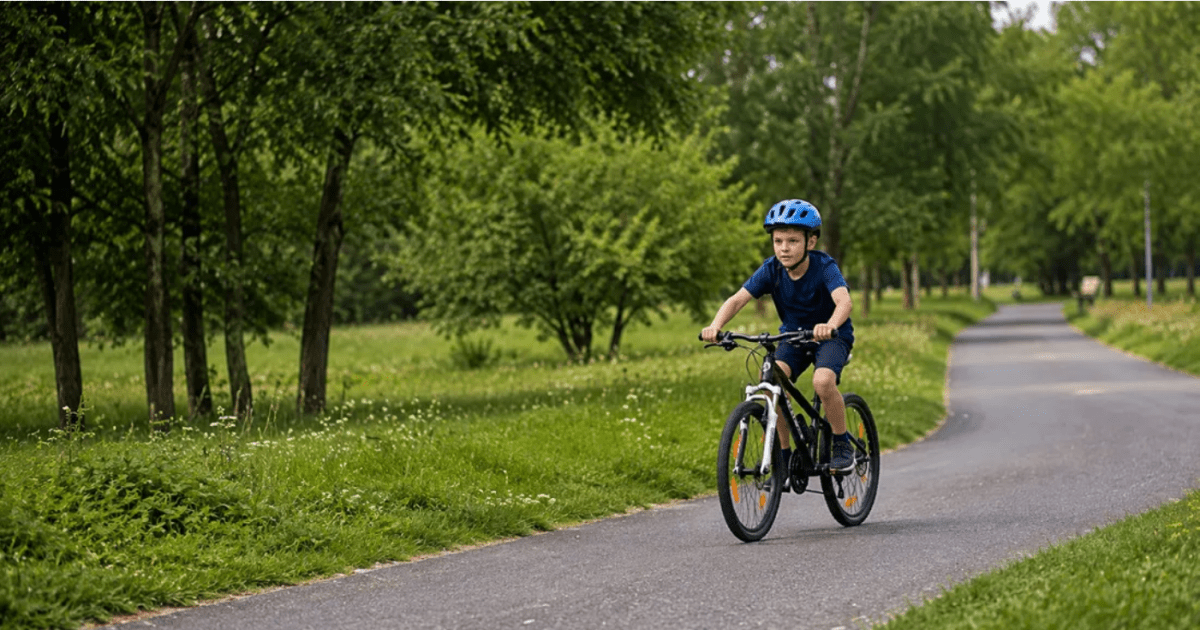
Jessica Singh, former emergency physician and founder and CEO of Sukhayu Wellness, warns of the risk of head injuries. “Among the injuries that can be sustained, those to the head are the most dangerous. They are associated with about 60% of bicycle deaths in children,” she said.
Falls, attempts to do tricks and collisions with vehicles are some of the situations that can cause injuries. Because of the frequency of these accidents, the use of a properly fitted helmet is essential for both children and adults.
According to Singh, studies have shown that helmets reduce the risk of head, brain and face injuries in cyclists of all ages, even when involved in vehicle collisions. It is estimated that the use of a helmet would avoid about 60% of serious head injuries among cyclists who currently do not use it.
The helmet should be of the right size and stay close to the head on all sides, without creating gaps.
The lower front part of the helmet should be positioned one to two fingers above the eyebrows. The back should not touch the neck, while the strap under the chin should be tightened so that no more than one or two fingers fit between it and the chin. Once the belt is on, the helmet should not move forwards or backwards or from side to side.
Children should not ride on a lawnmower, even if an adult is on it, or play outside while someone is mowing the lawn. A 2023 study found that the most serious injuries occur when children are near the equipment, such as when the operator is backing up and doesn’t see the child behind them.
Orajiaka also warned that mower blades can pick up rocks, branches or other objects and knock them into the air. These objects can cause damage to the face or eyes.
Breaking temperature records in various parts of the world makes it even more important to be careful about prolonged exposure to heat, Singh said. Staying for a long time in high temperatures and humidity, without breaks and without consuming enough fluids, increases the body temperature and can cause heat-related illnesses.
“Children, especially small ones, have a harder time controlling their body temperature and tolerate the heat less than adults,” Singh stated. She explained that their physiological systems are still developing, they have lower blood volume and a smaller capacity to sweat. As a result, they are more at risk of heat rash, stomach aches, fatigue and heat stroke.
“Heat stroke is the most dangerous form of illness caused by high temperatures,” said Singh. When the body can no longer regulate the temperature, it can rise within minutes. Without immediate medical treatment, the consequences can be permanent disability or death.
To reduce the risk, Singh recommends checking the weather forecast and avoiding outdoor activities during extreme temperatures. She advises planning outings in the cooler mornings or early evenings, consuming plenty of fluids and limiting direct exposure to the sun. Protection also includes the use of hats, sunglasses and protective clothing, as well as the choice of loose-fitting, light-colored clothing.
Source: prizrenpost