Saturday, May 30th 2026
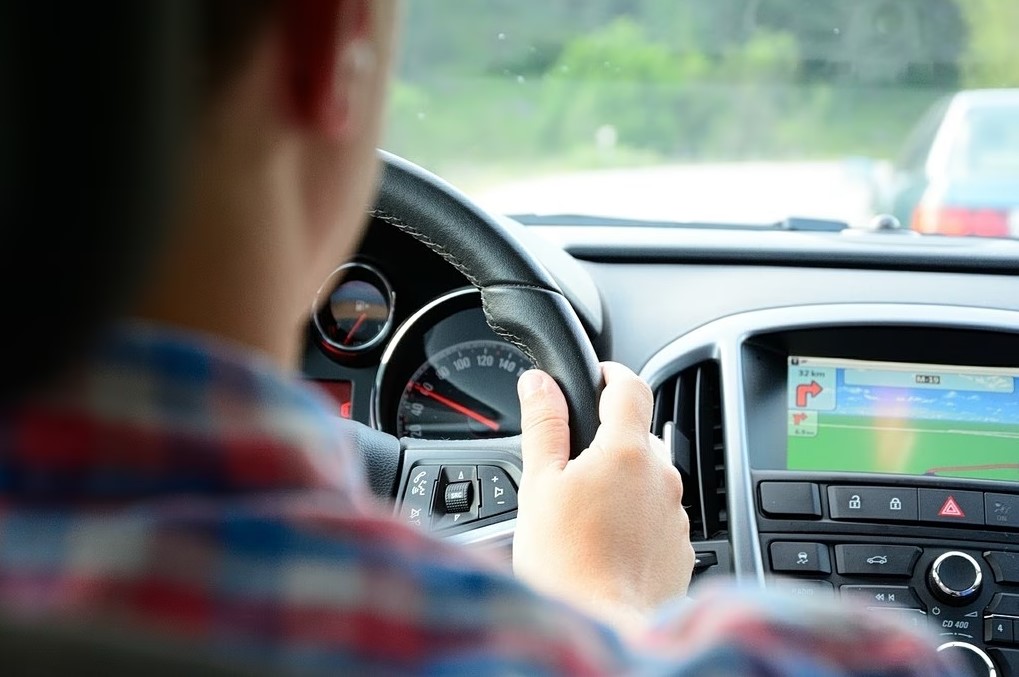
The feeling of freedom when one drives alone on the highway is now an illusion: filled with cameras and sensors, today’s cars collect huge amounts of data, which without the driver’s knowledge are sent to insurance companies and other unknown parties.
The collection and transmission of passenger data is mentioned in the terms of use and privacy policies of car manufacturers, but in reality no one bothers to read these long and difficult texts.
The car can, among other things, follow your routes, record who else is in the vehicle with you, what you listen to on the radio, if you put on your seat belt, if you drive fast or brake suddenly. And while the sensors can make driving safer, the data can have a variety of uses.
Car makers aren’t required to say who they sell the data to, but insurance companies are among the biggest customers and sometimes use that information to set higher rates for some drivers.
The issue affects most modern internet-connected cars. According to consulting firm McKinsey, 50% of vehicles in circulation in 2021 were connected to the Internet, a percentage expected to increase to 95% by 2030.
The Mozilla Foundation, creator of Firefox, analyzed the privacy policies of 25 car manufacturers in 2023. Neither met the security and privacy standards the foundation uses to compare different companies. Mozilla researchers even said that cars were “the worst product category we’ve ever looked at for privacy.”
According to Mozilla’s report, manufacturers retain the right to collect the name, age, weight, financial details, facial expressions, psychological state and other characteristics.
Kia’s policy, for example, says the company can collect sensitive data about the “sex life” and health of drivers. A Kia spokesperson stated that no information about customers’ intimate lives has ever been collected and that this reference merely reflects California’s definition of sensitive data. Kia added that it only sells data to insurance companies with the driver’s consent.
In the Mozilla report, 19 of the 25 manufacturers analyzed say in their policies that they retain the right to sell the collected data.
In the US, state and federal authorities filed lawsuits against General Motors, accusing it of selling location data without consent. Other examples are Honda and Hyundai, which have been accused of similar practices by US senators.
“They’re taking all the information they collect about you, and it’s a lot, and using it to make inferences about who you are, how intelligent you are, what your psychological profile is and what your political beliefs are,” said Jen Caltrider, head of research at Mozilla.
According to her, there are no clear rules for using this data. Potentially, they could be used for targeted advertising or end up in the hands of potential employers making hiring decisions. Law enforcement authorities can even buy vehicle records when they fail to obtain search warrants.
In the US, a General Motors driver requested and received from the company copies of his records, which he discovered had been sent to LexisNexis, a consumer data agency.
The 130 pages he obtained detailed every move he and his wife had made over six months. According to his complaint in the New York Times, the insurance company admitted that this data was one of the reasons his insurance premium increased by 21%.
The US Federal Trade Commission intervened in this case, which banned GM from selling the data for five years. After this period, the company can only restart with the express consent of the drivers.
The situation is slightly better in Europe, where there are rules for some sensitive data. Consumers also have the right to request copies of data and its deletion.
However, car manufacturers can collect data as long as this is stated in the privacy policy.
“Europeans still depend on privacy policies,” Caltrider said. “And you have to make do with the promise that the rules will be enforced, which is not always the case, especially with cars.”
And the problem could grow in the future, as the US is expected to force carmakers to install infrared cameras that detect whether the driver is drunk or overtired.
This data will be collected for safety reasons, but manufacturers may also find ways to use it for purposes of others.
Source: prizrenpost