Saturday, May 30th 2026
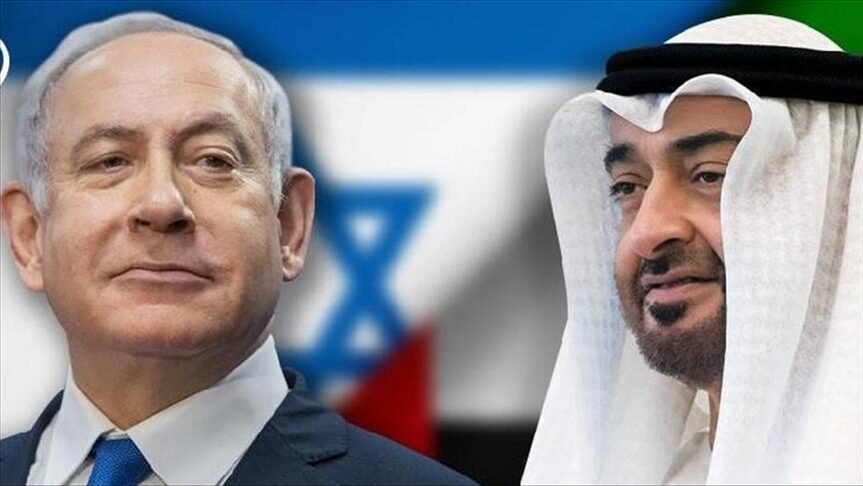
The Arab state that carries a fallen Zionist wind
The United Arab Emirates carried out dozens of airstrikes against Iran during the Israeli-American war against the Islamic Republic, according to a report by The Wall Street Journal (WSJ).
Citing people familiar with the matter, the WSJ said the United Arab Emirates launched strikes from the first days of the conflict and continued operations even after a cease-fire was announced in April.
The report suggested that Abu Dhabi effectively acted alongside the US. and Israel as a third party in the military campaign.
The attacks were allegedly coordinated with Washington and Israel, which provided intelligence support. Targets included sites on Qeshm and Abu Musa islands in the Strait of Hormuz, Bandar Abbas, the Lavan Island oil refinery and the Asaluyeh petrochemical complex.
Several attacks have targeted Iranian energy infrastructure. An attack on the Asaluyeh complex, allegedly carried out in coordination with Israel, caused an international outcry, prompting Washington to call on Israel to stop attacks on energy facilities.
Before the conflict, the Gulf states had declared that they would not allow their territory or airspace to be used for military action against Iran. However, the WSJ report suggests that Abu Dhabi abandoned this stance early in the war.
Iran responded by targeting Gulf cities, airports and energy infrastructure with missiles and drones in an attempt to increase the cost of the campaign. The UAE has borne the brunt of these attacks, with Iran targeting the Emirates with more than 2,800 missiles and drones.
The WSJ further states that the UAE’s involvement has deepened divisions among the Gulf Arab states.
Saudi Arabia complained to the US in early April that the Emirati strikes risked Iranian retaliation against regional energy facilities, potentially disrupting oil markets and threatening the global economy.
Saudi officials have reportedly pressed Washington to pressure Abu Dhabi to halt military operations and instead support diplomatic efforts.
The clash has also highlighted tensions between Gulf leaders. Gulf officials, quoted by the paper, said UAE President Sheikh Mohamed bin Zayed had become frustrated with Saudi Crown Prince Mohammed bin Salman after Riyadh refused to join a coordinated military campaign against Iran.
The scale of the retaliation has rocked the UAE economy, disrupting air traffic, reducing tourism revenue and shaking the property market. Companies have announced temporary job cuts as the fallout ripples across key sectors.
More than $120 billion has disappeared from the market capitalization of the Dubai and Abu Dhabi stock markets through the end of April, while more than 18,400 flights have been cancelled. /square
Source: prizrenpost
Etiketa: Brief