Sunday, May 17th 2026
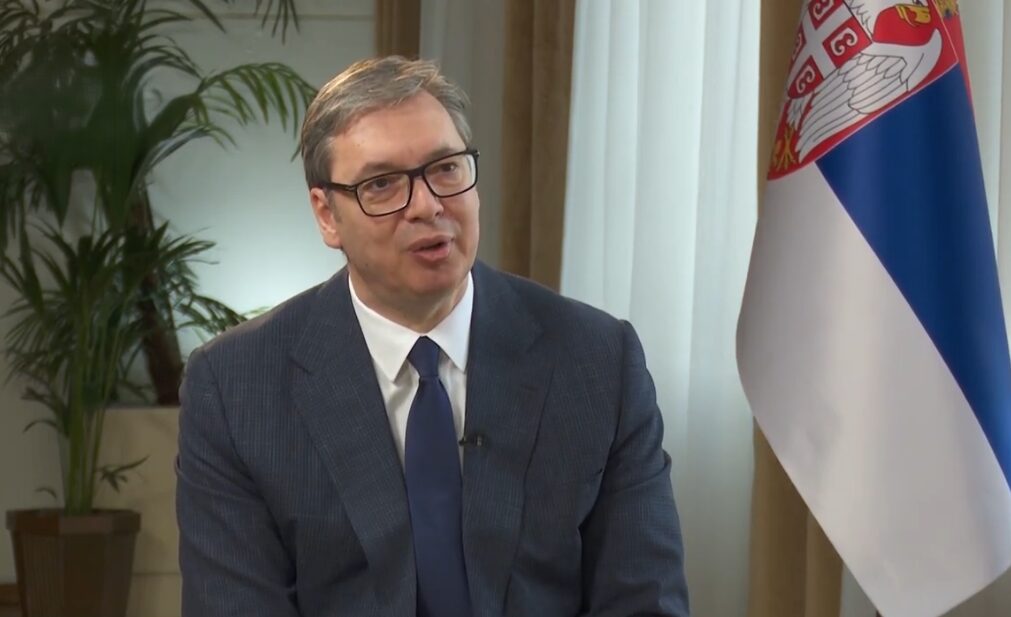
Vucic’s provocation on the 20th anniversary of Montenegro’s secession from Serbia
The public intervention of Serbian President Aleksandar Vucic to the citizens of Montenegro through an open letter on the Montenegrin portal Borba, marks another indication of ongoing political and identity tensions between Belgrade and Podgorica.
This message comes at a sensitive moment, where bilateral relations continue to be affected by the Kosovo issue and their different geopolitical trajectories.
Vucic tried to portray Serbia as a factor stabilizer, arguing that Belgrade has accepted all of Montenegro’s strategic decisions, from the dissolution of the state union in 2006 to NATO membership.
At the same time, he accused the Montenegrin political and media establishment of approaching Serbia through a framework of confrontation and mistrust. A central element of the letter was the phrase: “We’re sorry, we loved you more than you loved us!”.
Through this emotionally charged rhetoric, the Serbian president aims to emphasize historical and cultural ties, trying to maintain Belgrade’s influence over the Serbian population in Montenegro, but without openly challenging the sovereignty of Podgorica.
In his letter, Vučić rejected accusations of interference in the affairs of interior, but emphasized the recognition of Kosovo’s independence from Montenegro in 2008, describing this decision as a stab in the back to Serbian national interests.
Kosovo remains the central pillar of his policy and this message is addressed both to the domestic audience in Serbia and to the Serbian community in Montenegro, where identity issues are extremely sensitive.
His intervention brings the identity debate back to the scene. Montenegrin national team. Vucic called for respect for the Serbian language and symbols, while criticizing Podgorica’s international strategy, which seeks to differentiate itself from Belgrade through support for Western sanctions against Russia and cooperation with NATO.
At the regional level, this letter illustrates how historical disputes continue to shape politics in the Western Balkans. Although this step does not signal an immediate diplomatic crisis, it reflects an ongoing jockeying for influence and geopolitical symbolism.
The future trajectory of Belgrade-Podgorica relations will depend on domestic political dynamics and broader balances in the region. square
Source: prizrenpost
Etiketa: Brief