Thursday, March 5th 2026
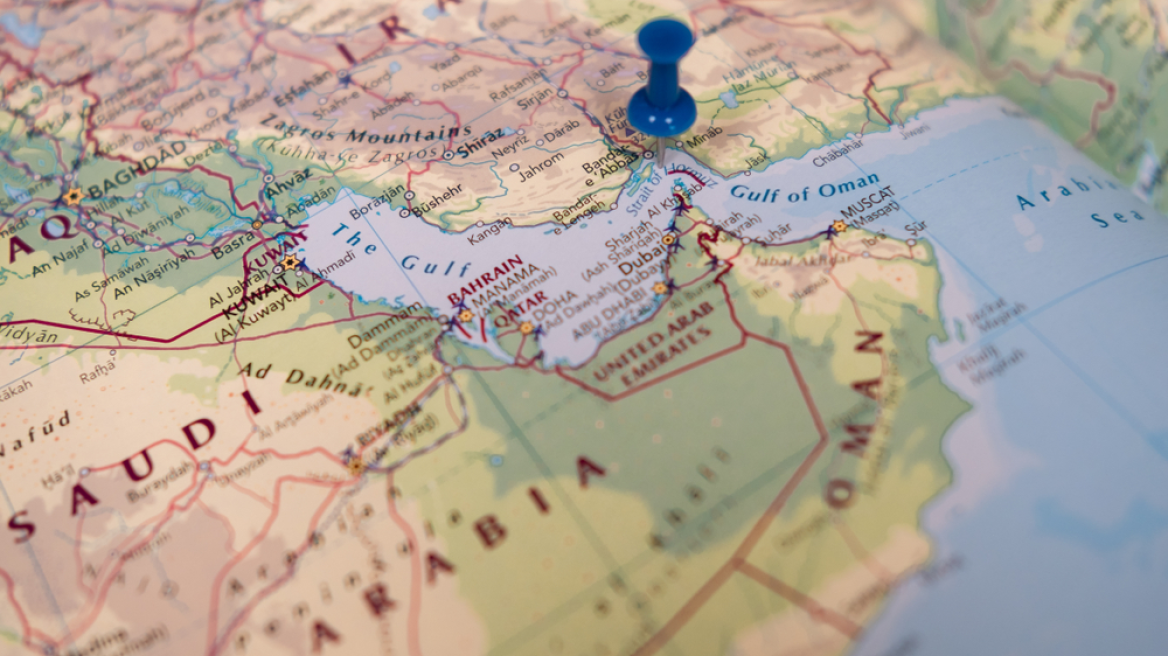
After Iran announced the closure of the Strait of Hormuz due to the escalation of the conflict in the Middle East, the prices of crude oil and natural gas have risen sharply, and European capitals are trying to soften the blow to the energy market.
The Strait of Hormuz, located between the Persian Gulf and the Gulf of Oman, is one of the most important energy corridors in the world. About 20 percent of global oil production passes through this narrow maritime corridor, making it a key point in world energy trade.
Although experts say closing the strait will not completely cut off Europe’s oil supply, they warn that prices will remain high and that continued market volatility can be expected.
Many European countries, including Italy, Spain, Greece, Poland and Belgium, depend to some extent on importing or refining oil that passes through Hormuz.
According to the European Union, the largest suppliers of EU oil are Norway (14.6 percent), the United States (14.5 percent) and Kazakhstan (12.2 percent). However, some imports also come from the Gulf countries. Saudi Arabia accounted for 6.8 percent of the EU’s total imports in the first nine months of 2025.
The European Commission has called an emergency meeting of technical experts to examine the consequences of the new energy shock, at a time when the EU is already grappling with high electricity prices and trying to strengthen its industrial competitiveness.
Analysts estimate that the disruptions could last even another three to four weeks, meaning prices will remain under pressure. Currently, according to market experts, an additional “risk premium” of about 15 dollars per barrel is being built into the price of oil.
Stabilization of the market, experts believe, is possible only if concrete negotiations take place between the United States and Iran or if navigation through the strait is restored.
Experts say that there are certain alternative routes, but none can fully replace the capacity of the Strait of Hormuz, through which about 20 million barrels of oil daily.
One option is Saudi Arabia’s East-West oil pipeline, which could transport up to five million barrels a day to the Red Sea, with the possibility of temporary capacity increases. Another alternative is an oil pipeline to the United Arab Emirates that bypasses the strait, but its capacity is significantly smaller.
An additional option for some shipments is to reroute tankers around the Cape of Good Hope in Africa, which significantly lengthens transit times and increases costs.
Meanwhile, ships are increasingly passing through Hormuz, and insurance companies are canceling war risk coverage, further complicating the situation, writes Euronews.
Can Europe find more secure sources?
Europe is increasingly relying on production from the North Sea, especially from Norway and the United Kingdom, as well as supplies from the United States and West Africa, including Nigeria and Angola.
North Africa, especially Algeria and Libya, is a logistically close source for southern Europe, but political instability in the region, especially in Libya, carries additional risks.
Analysts warn that the current crisis shows once again how vulnerable Europe is due to its dependence on fossil fuels and geopolitical tensions in the Middle East.
Although oil shortages are not currently threatening, rising energy prices could very quickly affect fuel, transport and food prices, which would burden further citizens across Europe. /tesheshi.com/
We use cookies to improve the experience and display ads (Google AdSense).
By clicking “Accept”, you agree to the use of cookies according to
Privacy Policy
and
Cookies Policy.
You can reject non-necessary cookies by clicking “Reject”.
Source: prizrenpost


