Wednesday, June 3rd 2026
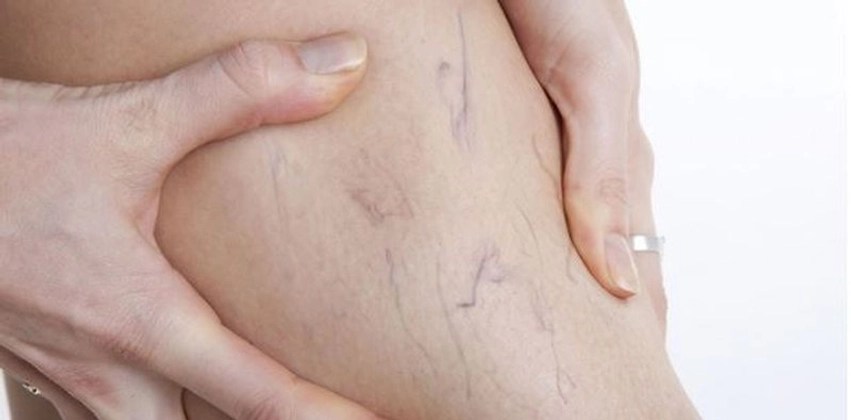
Venous insufficiency is caused by the insufficiency of the valves of the veins of the lower limbs. It can appear in different forms, such as varicose veins (enlarged and twisted or serpentine veins – “phlebitis”), phlebectasies and spider veins, while in a more advanced stage with edema (swollen legs), ulcers, dermatitis from venous stasis or even thrombosis.
In case of insufficiency of large veins and in combination with the patient’s clinical appearance, the best option is suggested well possible therapeutic. The most modern and minimally invasive method of treating venous problems is the laser. Mobilization, recovery and return of patients to their daily activities is very fast, pain and discomfort after surgery are immediately relieved, while the aesthetic result is excellent. The advantage of the new advanced high-frequency diode laser for the treatment of varicose veins and venous insufficiency is also that it can be performed under local anesthesia in combination with sedation, under ultrasound guidance, with safety and precision, while their application requires very precise planning and ultrasound mapping of the affected vein before surgery.
The whole procedure takes 30-40 minutes. In case the procedure also includes microphlebectomy, approximately another 40 minutes are required. The patient is mobilized almost immediately after the procedure, he can return home the same day fully mobilized and resume his activities within 2-3 days, but he should not do strenuous exercises. These methods are almost bloodless and painless during and after the treatment, there are no cuts or stitches, and the results are immediate.
What are varicose veins and how are they treated?
Varicose veins are enlarged and twisted veins that appear just below the surface of the skin. They are a very common condition. In most cases, they cause moderate to severe pain, burning and a feeling of heaviness in the lower extremities, especially during the summer months, and may be accompanied by complications, such as thrombosis or skin ulcers. Their treatment is invasive (surgery, intravenous laser, glue or RFA).
Family history (heredity), age, gender (more common in women), pregnancy, overweight, lack of movement, sedentary lifestyle and standing.
Varicose veins, regardless of how they are treated, can reappear, especially in predisposed women and after pregnancy. The recurrence rate varies (about 10% in 5 years).
5 myths and truths about venous diseases
1. Myth: Most patients believe that there is no point in treating venous diseases because they almost always recur. Truth: The recurrence rate is very small and depends on whether someone neglects preventive measures even after a successful treatment.
2. Myth: Treatment of varicose veins is not necessary if you have no symptoms, e.g. pain, burning, swelling.
Truth: Varicose veins should also be treated preventively to avoid venous thrombosis, lipodermatosclerosis and dermatitis from venous stasis (brown-red staining of the cartilage) in chronic cases.
3. Myth: After the operation, the patient remains lying down and is admitted to the clinic for one to two 24-hour periods.
Truth: The patient is mobilized immediately after the operation and leaves for home walking the same afternoon.
4. Myth: The patient needs painkillers during and after the operation.
Truth: The patient does not feel pain, only slight discomfort from the local anesthesia, which disappears immediately, without the need for painkillers.
5. Myth: The patient must stay away from work for a long time.
Truth: After surgery, daily walking and a quick return to activities are recommended.
Source: prizrenpost