Wednesday, June 3rd 2026
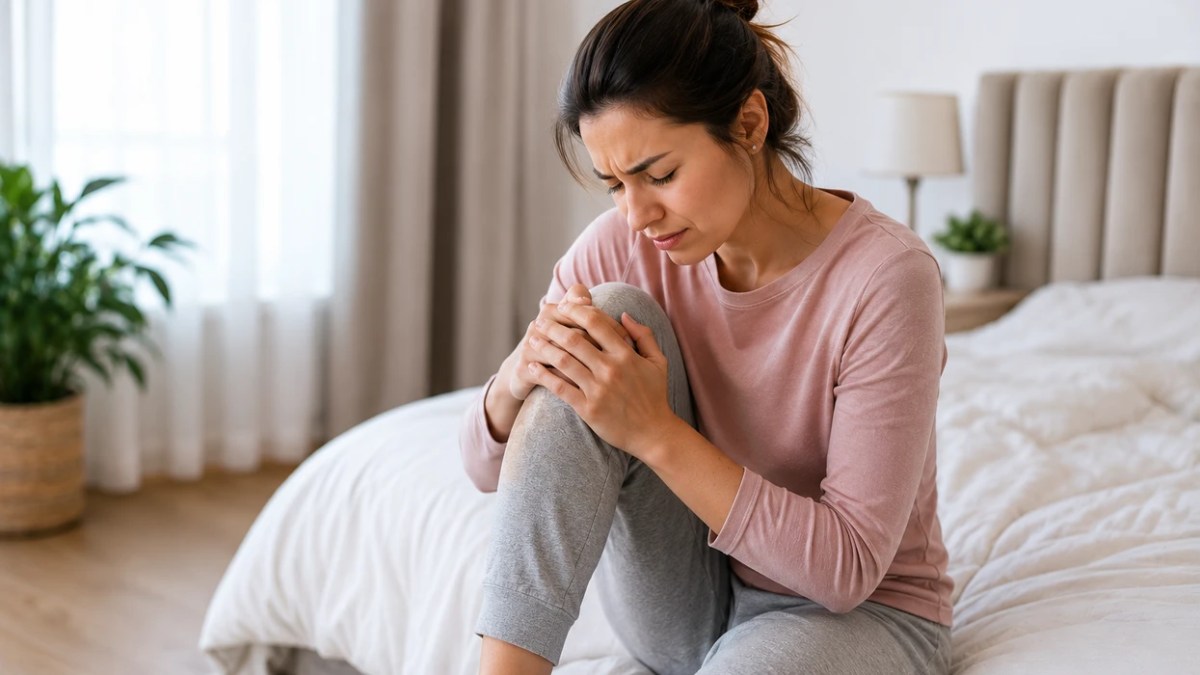
Long sitting, lack of movement, age and inflammation can cause stiffness and pain in the joints, while experts also show how to relieve the symptoms ourselves
Stiffness of the joints is often the result of sitting or lying down for a long time. Experts explain that joints are the places where two or more bones join in the body and whose function is to enable movement and stability.
Inside the joints is synovial fluid, which lubricates the joints, reduces friction between the bones and nourishes the cartilage.
When bone damage occurs, inflammation and swelling can occur, while fluid can accumulate around the joints, especially after sitting for a long time or lying down.
At the same time, the muscles and tissues around the joints can become strained due to lack of activity. In this condition, blood circulation also weakens, so the joints receive less oxygen and nutrients.
These changes are usually temporary, but appear with a feeling of stiffness, tension or pain when we start moving again.
“In this situation, the first steps after rest can be the most difficult, especially after a night’s sleep,” explains Dr. Samuel Ashby, an orthopedic surgeon from Banner Health.
He adds that not every stiffness or joint pain after rest is necessarily a sign of a problem.
It is not unusual to feel stiffness after sitting still for a long time or after sleeping. This type of stiffness usually lasts for a while and goes away quickly as soon as we start moving.
Pain and stiffness can also be the result of improper sitting or sleeping position. An unsuitable mattress or pillow can burden the neck, back and hips.
This harmless stiffness appears more often in the morning and is more common in elderly people, because the joints lose their natural flexibility over the years.
Problems are also more frequent in people who are overweight, dehydrated or with insufficient fluid intake. This stiffness usually goes away within 30 minutes and does not interfere with daily activities.
Osteoarthritis is one of the most common causes of joint stiffness, especially in the elderly. It occurs when the cartilage that protects the joints begins to gradually become damaged.
It most commonly affects the knees, hips, hands and spine.
In osteoarthritis, pain may occur during movement or activity, as well as a cracking or “cracking” sensation in the joints, Telegraph reports.
Inflammatory forms of arthritis, such as rheumatoid arthritis, occur when the immune system or other processes cause inflammation of the joints. joints.
Lupus, as an autoimmune disease, can also affect the joints and other organs.
In these cases, morning stiffness lasts more than 30 to 60 minutes and is accompanied by swelling, heat, or redness in the joint area. The pain does not improve after movement, while fatigue and general weakness may also appear.
Sometimes pain and stiffness are the result of joint overload, repetitive movements or small injuries that irritate the surrounding tissues.
When we rest, these tissues become tense and cause discomfort during repeated movement. Sensitivity to the touch may also appear, while the pain worsens after some movements.
Experts advise to consult a doctor if:
• stiffness lasts more than 30 to 60 minutes
• pain worsens over time
• there is swelling, heat or redness
• movements are limited
• pain interferes with sleep and daily life
Joint pain can often be relieved with simple home measures and changing habits.
It is recommended to avoid immediate movements after waking up, while light stretches and slow walking help.
• joint rotation
• bending the knees
• side stretches
Long sitting is one of the main causes of stiffness and pain. It is therefore advisable to get up every 30 to 60 minutes, lie down a bit or walk.
Regular low-intensity physical activity is also recommended, such as walking, swimming, cycling, yoga, pilates or stretching exercises.
In most healthy people, stiffness and pain are only a reaction to lack of movement and usually go away after a few minutes of activity.
However, if symptoms worsen or affect everyday life, it is important to seek professional help.
Source: prizrenpost