Tuesday, June 16th 2026
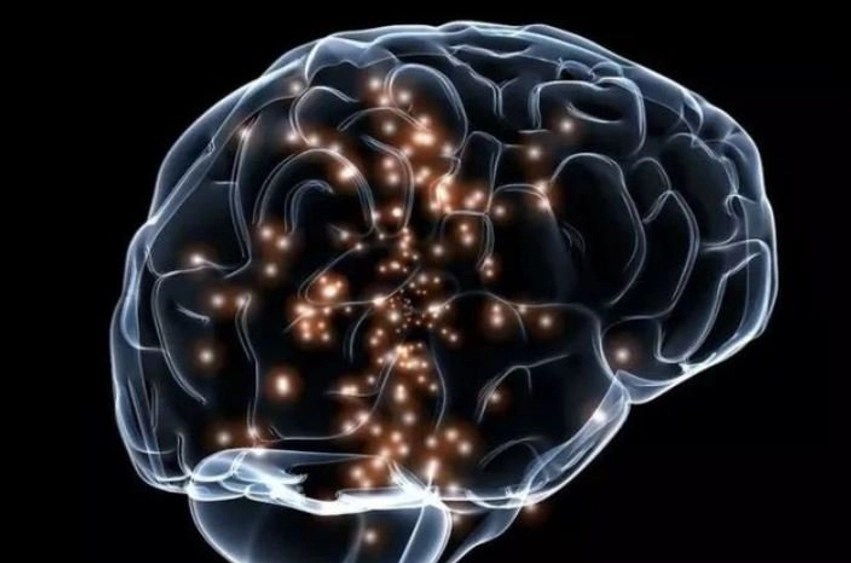
Trauma experienced in key periods of life, especially from childhood to the first years after adolescence, can permanently affect brain development and behavior in adulthood.
What has the biggest impact is not so much the nature of the trauma, but the age at which it is experienced.
This is proven by a study carried out by the Istituto Italiano di Tecnologia in collaboration with the IRCCS Istituto Giannina Gaslini in Genoa, thanks to the support of the Italian Fund for Science (FIS Advanced) of the Ministry of University and Research of Italy.
The results, published in the scientific journal Cell Reports Medicine, could pave the way for personalized treatments of problematic behaviors stemming from trauma, such as aggression, depression, anxiety and attention disorders.
By studying experimental models in mice and combining the data with the analysis of a group of patients, researchers showed that a trauma experienced during childhood can lead to difficulties in social relationships, while a trauma during adolescence can promote aggressive and domineering behavior. Anxiety, on the other hand, was observed in all cases studied.
Omic and proteomic analyses, which allow the simultaneous examination of thousands of genes and proteins, show that the impact of trauma is registered in the brain in a long-term way, changing the functioning of certain regions of it.
At the moment when trauma occurs, biological processes are activated that modify the structure and functioning of the brain, such as programmed cell death, oxidative stress or the production of vesicles from cell membranes.
An early trauma mainly affects the amygdala, hippocampus and hypothalamus, while a trauma experienced later affects more the prefrontal cortex, an area related to decision-making, emotion control and social behavior.
Thanks to this study, the research group has also identified a potential therapeutic target: the protein BDNF (Brain-Derived Neurotrophic Factor), a key regulator of brain plasticity. By modulating the signaling mechanisms of this protein, the effects of trauma experienced in young adulthood can be mitigated.
These results suggest that there are “critical windows” of development during which the brain is particularly sensitive to trauma, but at the same time more capable of responding to targeted therapeutic interventions.
The hope of the researchers is that these discoveries will help to more accurately treat psychiatric disorders associated with traumatic experiences, paving the way for a personalized medicine based on the age when the trauma was experienced.
Source: prizrenpost