Friday, August 21st 2026
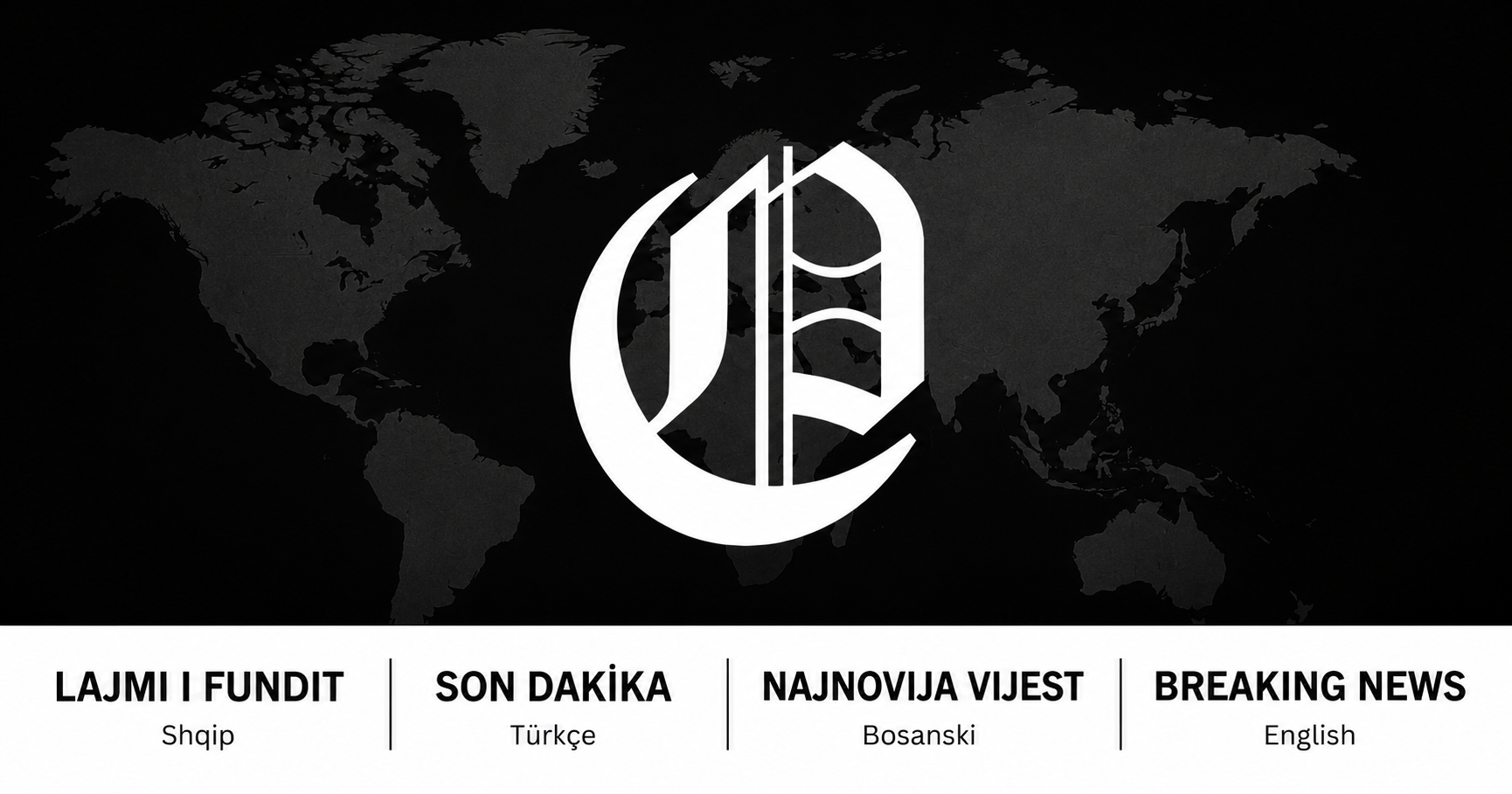
NATO assesses that any decision on the possible reopening of the bridge over the Iber River for vehicle traffic must “address the needs of all local communities”.
“KFOR also continues to provide the necessary security support so that the diplomatic efforts of the European Union can move forward”, a NATO official told Radio Free Europe.
Regarding the gradual withdrawal of troops of the NATO mission in Kosovo from the bridge the main issue on Ibër days ago, the acting Minister of Internal Affairs of Kosovo, Xhelal Sveçla, reacted, who described it as good news.
He said that in addition to the gradual departure of KFOR troops, the presence of the Kosovo Police on this bridge will also be reduced.
According to him, this process will be short-term and will provide a guarantee for everyone that “the opening of the bridge will be a good thing for everyone, without negative impact on anyone”.
“The moment will come when the next steps will be made public, and they will be seen as they are seen today. And something that has been a worry, but also a symbol of division for 27 years, will be a memory”, said Sveçla for the public broadcaster of Kosovo on August 10.
The main bridge over the Iber is currently only open for pedestrians.
The Kosovo government had announced in July 2024 that it would also be open to vehicular traffic, an initiative that caused tensions and reactions from the international community.
Meanwhile, the Kosovo executive has built two more bridges near the main bridge – one for pedestrians and one for vehicles – with the aim of connecting North Mitrovica with South Mitrovica.
Radio Free Europe requested a comment from NATO regarding a letter that the president of Serbia’s Aleksandar Vučić sent a letter to the head of the alliance, Mark Rutte, asking him to stop reducing KFOR’s presence on this bridge.
The NATO official said that Rutte “is in regular contact with President Vučić”.
He added that the alliance’s peacekeeping mission in Kosovo, KFOR, has started the gradual transition of its permanent presence from the bridge over the Iber River, “in line with the improvement of the security situation in Kosovo”.
According to the official, this is part of the process of optimizing the positioning of KFOR, which is being developed with complete transparency, adding that this process can be undone, depending on the security situation.
The NATO official emphasized that the commander of the NATO mission in Kosovo, KFOR, Ozgan Ulutash, maintains contact with all counterparts in Kosovo, with international organizations, but also with the Forces of Armed Forces of Serbia, as he recalled the meeting of Ulutash with the representatives of the Serbian List on August 11, where they discussed the issue of the presence of the mission on the Iber River.
KFOR, the official said, will continue to implement the mandate that originates from Resolution 1244 of the UN Security Council and provide a safe environment for all communities.
“KFOR will to have a visible presence in North and South Mitrovica as well as in the north of Kosovo and continues to contribute to having a safe environment for all communities”, the NATO official told Radio Free Europe.
Vučić said that he has addressed a letter to the Secretary General of NATO, Mark Rutte, asking him to stop reducing the presence on the main bridge over the Iber in North Mitrovica.
“Just now I sent a letter to NATO Secretary General Mark Rutte and requested that KFOR, in accordance with UN Resolution 1244, stop the terror against Serbs, their persecution and arrests, the demolition of houses, as well as the opening of the bridge over the Ibar,” Vučić wrote on Instagram on August 20.
“I believe his assessment will be that peace and stability regional are of great importance”, he added.
Later during the evening of August 20, Vucic said that he expects Rutte to respond to his letter “one way or another” in the coming days.
Mitrovica, after the war of 1999, was divided into the northern part, with a Serbian majority, and the southern part, where the majority are Albanians.
Today they function as two municipalities of separated.
However, since the end of the war, KFOR has kept under surveillance the bridge over the Iber, which has been a point of inter-ethnic clashes over the years.
According to Vučić, the withdrawal of KFOR from the bridge at this moment would “create conditions for a final confrontation with the Serbian population” in the north of Kosovo.
He said that the authorities in Serbia will continue “the political struggle with all the means of possible”, not even ruling out the possibility of calling a special session of the United Nations Security Council.
Vučić also said that the Chief of the General Staff of the Serbian Army, Millan Mojsilović, had a “very difficult” and “bad” conversation with the KFOR commander, Major General Ozkan Ulutash.
The main bridge over the Iber River is considered one of the most sensitive points in aspect of security in the north of Kosovo.
Source: prizrenpost
Etiketa: Brief