Saturday, May 30th 2026
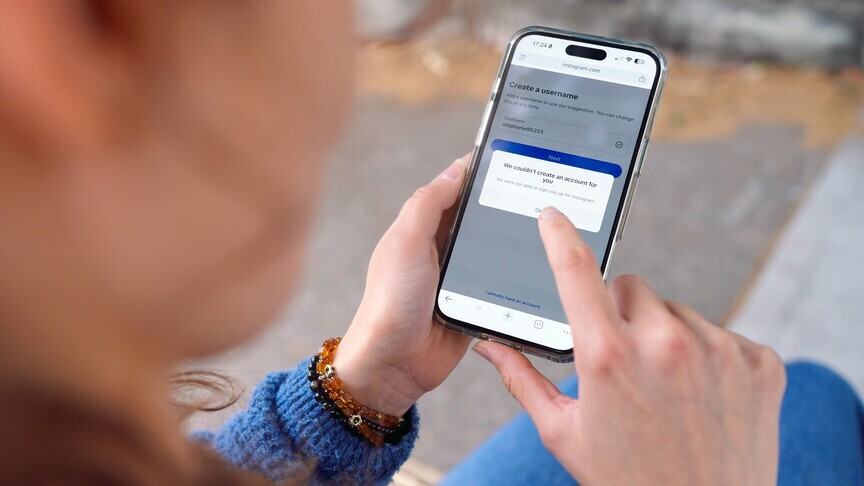
Polish Minister of Digital Affairs, Krzysztof Gawkowski, has announced that Poland may within weeks introduce new restrictions on children’s access to social networks and online content, as the government aims to tougher regulation of major technology platforms and stronger protection for minors online, reports Anadolu.
Speaking to public broadcaster TVP, Gawkowski said his ministry was working on new measures aimed at regulating children’s online activity and that other announcements will be made “in the coming weeks”. The proposals are also expected to include restrictions on access to adult content and stronger age verification mechanisms.
The plans would put Poland among a growing number of European countries that are trying to curb the influence of social media on children, amid concerns about mental health, online addiction, harmful content and cyberbullying.
Although the government has yet to publish detailed legislation, the move reflects a wider shift in Warsaw towards regulation. stricter digital. Gawkowski, who serves as deputy prime minister and minister of digital affairs, has repeatedly argued that online platforms should face stronger oversight and legal obligations.
“Platforms have obligations,” he declared earlier this year, advocating for tougher enforcement of the European Union’s (EU) Digital Services Act (DSA), which requires big tech companies to remove illegal content and manage better online risks.
The debate comes at a time when policymakers across Europe are increasingly focusing on children’s online safety. France, Spain and several Nordic countries have considered measures ranging from stricter age verification to restrictions on the use of smartphones in schools and restrictions on minors’ access to some social networking platforms.
In Poland, concerns have grown about cyber threats, disinformation and the influence of digital platforms. Gawkowski has described online security as a major national challenge, arguing that digital threats are increasingly affecting not only infrastructure and state institutions, but also social cohesion and public health.
The Polish minister has previously criticized big tech companies for how they deal with harmful content online and supported stronger enforcement of EU digital regulations. Earlier this year, he welcomed the European Commission’s investigation into Elon Musk’s Platform X and argued that Silicon Valley companies should not be exempt from European rules.
The government’s latest proposals are likely to reignite debate over freedom of expression, parental responsibility and the role of the state in regulating online behaviour. In January, President Karol Nawrocki vetoed legislation designed to implement parts of the EU’s Digital Services Act, arguing that some provisions risked creating “administrative censorship”.
Supporters of tighter controls argue that social networking companies have failed to adequately protect minors from harmful content, addictive algorithms and online exploitation. However, critics warn that poorly designed restrictions could prove ineffective or infringe on civil liberties.
The announcement also reflects a broader political trend in Europe, where governments are increasingly treating digital platforms not just as private companies, but as actors with major influence on public life, democratic debate and the well-being of younger generations.
While the exact form of Poland’s proposals remains unclear, Gawkowski’s comments suggest the government is preparing one of its most significant interventions yet in the way children access and use online services.
Source: prizrenpost
Etiketa: Brief