Tuesday, July 7th 2026
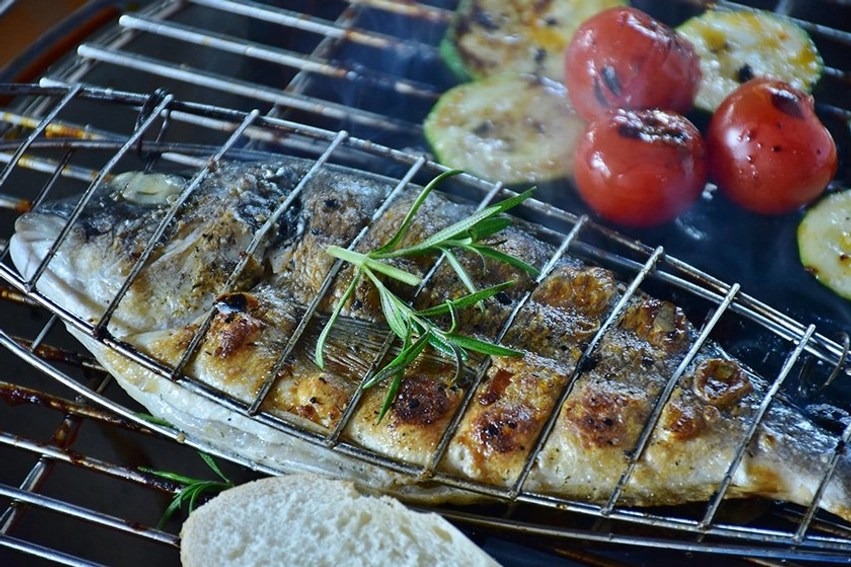
When temperatures rise, so does the use of barbecues, whether at home, in parks, while camping or at the beach. And despite many supermarkets having previously banned the sale of disposable barbecues, they are still widely available.
“It’s just about being vigilant and realizing that cooking outside carries inherent risks, especially if you’re using hot coals,” says Phil Garrigan, former firefighter and chairman of the UK’s National Council of Fire Chiefs.
“We would discourage the use of disposable grills when the weather is extreme”, he says. ‘If we’ve had an extended period of hot weather and the grass is reed-dry, using a grill has the potential for a spark or heat to start a fire,’ he adds.
And while outdoor cooking presents fire safety issues, outdoor eaters should also be careful about what they consume, says Sylvia Anderson, a food safety consultant.
“Every summer I see the same food safety mistakes that are made in barbeque. People relax because they’re outside, but warm weather creates the ideal conditions for harmful bacteria to multiply, so it’s even more important to think about food safety when cooking outside.”
So what are the risks we need to be aware of?
While customers can’t wait for their food, it can be tempting to rush or overload the barbecue, increasing the risk of undercooked food. should.
“One of the biggest dangers is undercooked meat, especially chicken, hamburgers, sausages and kebabs,” Anderson says. Barbecues often have hot and cold spots, so food can burn on the outside while still being hot in the middle. I recommend using a food probe thermometer. The food must reach a core temperature of at least 75°C. This takes the guesswork out and gives you confidence that the food is safe to eat.”
But undercooked meat isn’t the only problem. “Bacteria don’t take a break just because the sun is shining,” says Anderson. Don’t forget cold foods. Salads, coleslaw and dressings are all high-risk foods. On a hot summer day, they can quickly enter the temperature danger zone – between 8°C and 63°C – where bacteria multiply rapidly. Keep these foods in a cool box,” she adds.
For those who cook outside in a public space, it can be tempting to use the same kitchen utensils instead of taking everything with them to the park. But this can lead to the spread of harmful bacteria.
“Raw chicken and meat naturally contain bacteria such as campylobacter, salmonella and E. coli. Never use the same cutting board, tongs, knife or serving plate for raw and cooked foods unless they have been thoroughly washed,” says Anderson. bacteria. As is allowing meat juices to contaminate other food products. “If juices from raw meat drip onto salads, toast, or cooked food, these bacteria are immediately transferred,” Anderson says.
Using disposable grills on dry land or not cleaning them properly can lead to sparks. Set them up on something flammable, such as a brick, and always leave water in them after use.
“We’ve had wildfires from discarded grills,” Garrigan says, adding that users are encouraged to carry a bottle of water to pour over the grill after it’s done and let it cool enough before throwing it in the house or in a metal bin.
“If people haven’t put it out. as a disposable grill should and have not cooled it sufficiently, then individual sparks can travel from the grill pan to the dry environment of the grill. They may not have noticed it at all, but it starts to develop over time into a substantial fire,” he adds.
Barbecues should be lit using the proper tools, such as fire starter blocks or lighter paper inside disposable containers.
“We would discourage people from using accelerants in any way, shape or form to light the barbecue because it has the potential to burn uncontrolled, so in effect, a fireball,” says Garrigan.
“We would also discourage people from trying to re-ignite the barbecue, which has already been lit and perhaps not used enough. Using accelerants in any way has the potential for the fire to move from the barbecue itself to the person,” he adds.
Barbecues are often used at social events, whether at home or in a public space, but it’s important to be vigilant at all times, especially if small children are present. And apply the same principles you would in your kitchen at home.
“Children can suffer burns if they reach out to take a piece of food from the grill, so parents must be extremely vigilant. Make sure kids are aware of the dangers and the possibility of them burning themselves,” says Garrigan.
And other things to consider…
Coals can be generated by even small winds and carried some distance, so anyone camping, keep your barbecue a reasonable distance from your tent.
Garrigan says, “Don’t cook inside your tent with a grill because it produces carbon monoxide gases and you may suffer from stress. Cook away from it and be sure to turn off the grill completely after use.”
Source: prizrenpost