Sunday, May 31st 2026
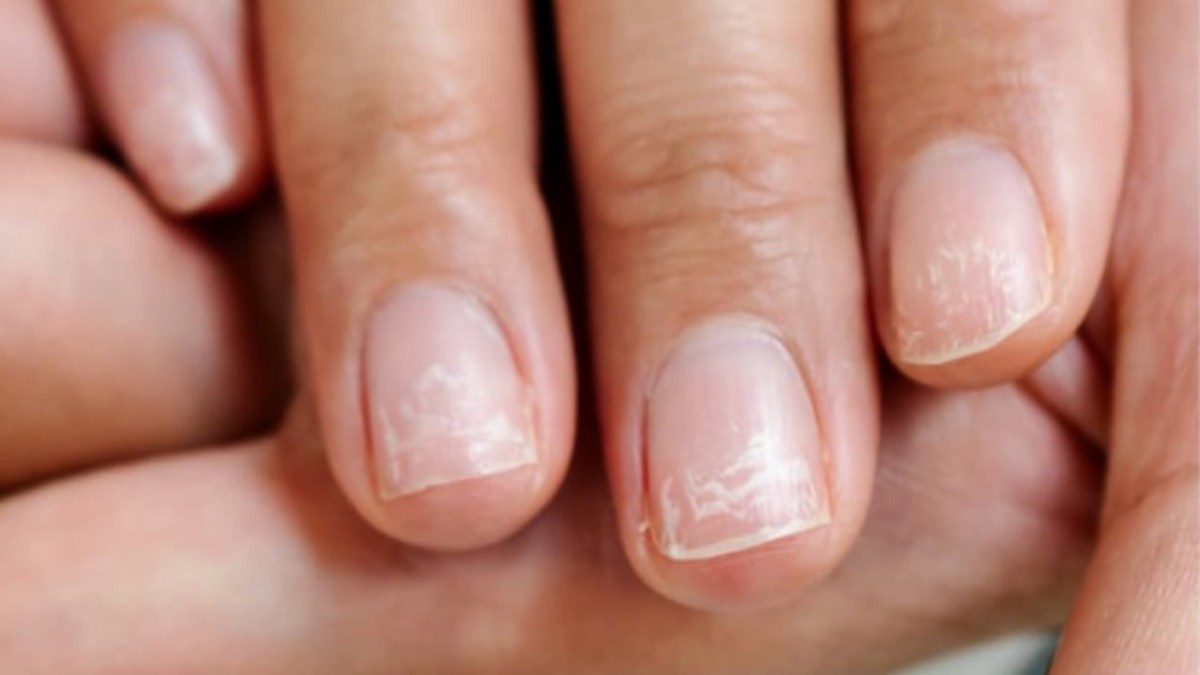
Changes in nail color are usually harmless, but in some cases can signal infection, injury, or another health problem
Healthy toenails are usually translucent to light pink, smooth, regular in shape, slightly shiny, firm but elastic, without thickening or crumbling.
When the color or appearance of the nail changes, it is often due to injury or pressure. on the claws. Toe stubbing or tight shoes can cause bruising under the toenail.
Toenail changes are often associated with fungal infections, which cause discoloration and thickening of the nails. Even some bacteria can produce pigments that change the color of the nail. When the nail is separated from its bed, it may turn white. Also, problems with blood circulation, skin diseases or chronic diseases sometimes affect the appearance of nails, Telegrafi reports.
Yellow nails are among the most frequent changes. The most common cause is fungal infection. Fungus develops more easily in warm and moist environments, such as tight and ill-fitting shoes.
Signs of fungal infection are: yellow or yellow-brown color of the nail, thickness, crumpled edges and deformed shape. If left untreated, infections can spread from one nail to another. Over time, the nail can thicken and become painful when wearing closed shoes.
Yellow nails can also be a result of aging, psoriasis, or the frequent use of nail polish.
According to podiatrist Travis Jensen, the constant use of nail polish can cause yellowing or brown spots on the nails. Some polishes and nail polish removers with acetone can leave white-yellow spots on the nail plate. This is usually a cosmetic issue and is not dangerous.
White nails can appear as small dots, lines or larger spots. Small white spots are usually harmless and often appear after minor injuries, such as stubbing your toe.
However, larger white spots can be a sign of fungal infection or separation of the nail from its bed. Sometimes they are related to allergies to nail products or injury to the nail bed. They can also be seen in anemia or zinc deficiency.
Dark nails can look disturbing, although they are often the result of simple trauma.
If a heavy object falls on your finger or if the nail is subjected to repeated pressure, blood can collect under the nail. This condition is called a subungual hematoma. The nail may appear dark red, brown, or black, but as it grows, the color usually normalizes.
However, not all dark spots are harmless. A dark spot may be a sign of subungual melanoma, a form of skin cancer.
• a dark line without previous injury;
• a spot that enlarges or darkens;
• pigment that spreads to the surrounding skin;
• nail deformity or pain.
A green nail is often caused by bacteria growing under the nail. One of the most common bacteria is Pseudomonas aeruginosa. It develops in moist environments and can grow under nails that are slightly raised from their bed.
Green nails can also be the result of standing in wet feet for a long time or wearing tight shoes that do not allow the skin to aerate.
Blue or purple nails are usually associated with blood circulation or oxygen levels. In athletes, repeated pressure can cause the nail to bruise and turn purple.
But if some nails turn blue or purple without injury, it could be poor circulation. These changes are rarer, but should be evaluated by a health professional.
If blue nails are accompanied by shortness of breath, chest pain, or dizziness, seek medical help immediately.
Redness around the nail often indicates swelling, inflammation, or infection. This is often due to an ingrown toenail, when the edge of the nail grows into the surrounding skin.
Signs are redness, swelling, tenderness and warm skin around the nail. If left untreated, the nail embedded in the flesh can lead to infection. Regular and straight nail trimming can prevent this problem.
• Wash your feet every day and dry them well, especially between the toes.
• Change socks regularly.
• Avoid shoes that are too tight, because they can damage the nails and create pressure.
• Do not cut your nails too short and do not round the edges.
• Use slippers in locker rooms and shared pools.
• Leave your nails bare from time to time so you can notice any changes.
Most toenail color changes are not serious and will go away on their own as the nail grows. But if the color does not fade, spreads or causes pain, a visit to the doctor is advised.
Source: prizrenpost