Tuesday, June 16th 2026
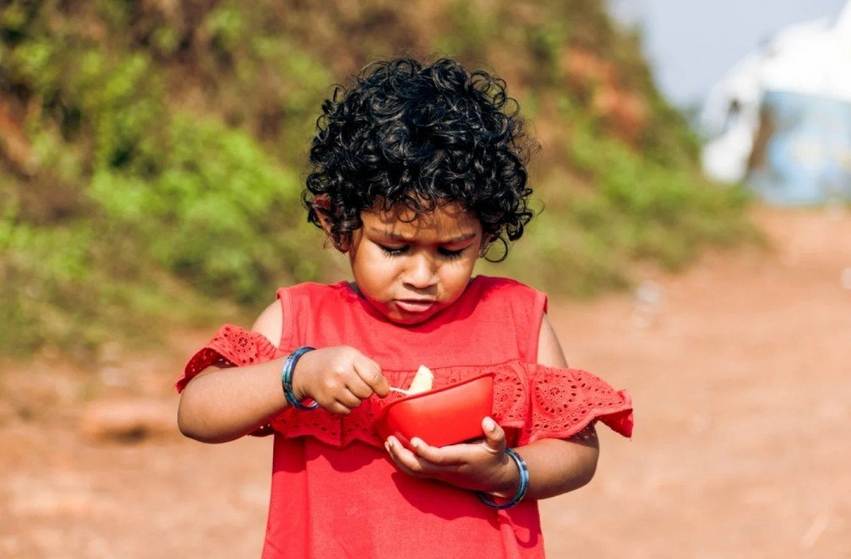
Unhealthy food, contaminated with bacteria, viruses, parasites or harmful chemicals, is estimated to cause around 1.5 million deaths worldwide each year, particularly affecting children under the age of five, the World Health Organization (WHO) has announced.
“Food safety is not an abstract issue: it concerns every meal, every family, every day”, declared WHO Director-General, Tedros Adhanom Ghebreyesus, in a message before World Food Safety Day, which is celebrated on June 7.
According to the latest WHO analysis, which assessed 42 food-related hazards in 194 countries during the period 2000–2021, about 866 million people fall ill every year as a result of consuming unsafe food, while about 1.5 million of them lose their lives.
Young children are the most vulnerable group. endangered. The WHO states that children under five are almost three times more likely to be affected by disease caused by contaminated food than adults.
Although the global burden of disease from unsafe food has decreased since 2000, inequalities remain stark. Africa and Southeast Asia are the most affected regions, accounting for about three-quarters of cases and about 60% of global deaths.
According to the WHO, most diseases are caused by exposure to biological hazards, such as bacteria, viruses and parasites, while a significant proportion of deaths are related to hazardous chemical substances in food. Inorganic arsenic and lead are among the main factors that increase the risk of cardiovascular disease and cancer.
The organization’s experts warn that the situation is also worsening due to climate change and the rise of antimicrobial resistance, which makes infections more difficult to treat.
“Data shows that diseases from unsafe food not only continue, but are getting worse,” said WHO’s food safety expert, Yuki. Minato.
In addition to the health consequences, the WHO estimates that these diseases also cause great economic losses, which amount to about 647 billion dollars in productivity every year.
The Director General of the WHO emphasized that these data show the real extent of the problem and the need for urgent measures in food security at the global level.
Source: prizrenpost