Sunday, March 15th 2026
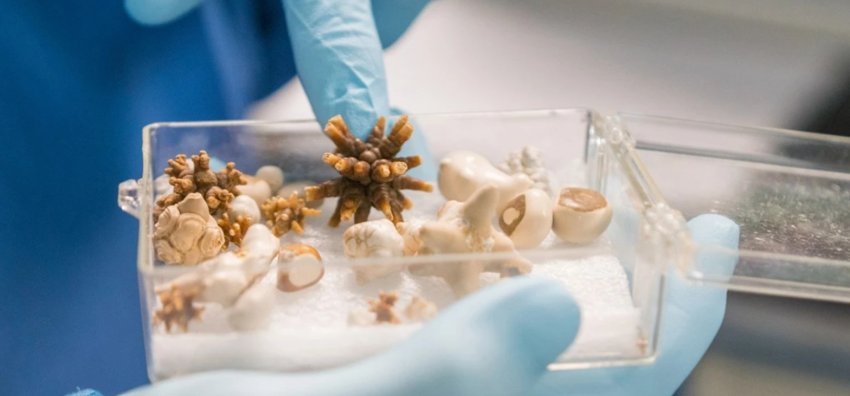
Experts warn: some daily habits that many people consider harmless can promote the formation of kidney stones
Kidney stones (nephrolithiasis) are hard deposits of minerals and salts that form in the kidneys. Doctors say that this disease is largely the result of unhealthy lifestyle habits, especially insufficient intake of water. It is noted that patients with kidney stones often forget to drink water during the day. However, not all risk factors can be fully controlled, because nephrolithiasis is also related to genetic predisposition or certain health conditions. When talking about the factors that can be controlled, experts emphasize, first of all, sufficient water intake, but also daily stress, which can gradually affect many parts of the body, including the kidneys.
Stones in the kidneys or in the urinary tract are the result of a decrease in the volume of urine and the accumulation of calcium and other stone-forming substances. Dehydration, i.e. insufficient fluid intake, is the most frequent risk factor for the formation of kidney stones.
Dr. Sangeetha Murugapandian, a specialist in kidney diseases, says that kidney stones can be as small as a “grain of sand”, in which case they pass through the urinary system without causing problems. However, stones are often large enough to block the urinary tract and cause severe pain in the back or on one side of the body, blood in the urine, frequent and mixed urination.
Experts point out that there are four main types of kidney stones:
Calcium-oxalate stones – the most common type, are formed when oxalate in the body binds to calcium.
• Uric acid stones – form when uric acid builds up, often as a result of a diet rich in purines found in red meat, seafood and alcohol.
• Struvite stones – associated with urinary tract infections.
• Cystine stones – formed due to a rare genetic disorder, when the amino acid cystine passes into the urine.
– Inadequate water intake can play a major role in the formation of kidney stones. When the body is dehydrated, urine becomes more concentrated and minerals and salts combine more easily forming crystals, which over time can turn into kidney stones. Urine consists mainly of water, therefore when we drink enough fluids it is diluted and the substances in it are more difficult to combine. Also, when we urinate regularly, metabolic waste leaves the kidneys without accumulating, says Dr. Murugapandian.
How to reduce the risk of creating kidney stones?
Doctors advise drinking enough water and consuming foods rich in water, such as cucumbers and watermelon. It is especially important to take care of sufficient fluid intake during physical activity and on hot days.
How can stress affect the formation of kidney stones?
Stress not only affects mental health, but can also have physical consequences on the body, including the kidneys. It can indirectly increase the risk because it affects daily habits – reduces water intake, worsens eating and disrupts sleep.
– Stress can increase the risk of kidney stones in several ways. In a state of stress, the body releases the stress hormone, cortisol, which can affect fluid balance in the body and overall health. It is possible that under conditions of stress the level of calcium in the urine also increases, explains dr. Murugapandian.
Uncontrolled stress can also lead to unhealthy habits. When we are under stress we often drink less water and more coffee, soda or alcohol, which can lead to dehydration. We can also consume more unhealthy foods and sleep less.
It is recommended that every day we set aside some time for relaxation through meditation, yoga, physical activity, deep breathing or any hobby.
How can we further reduce the risk of creating kidney stones?
In addition to getting enough water and good stress control, doctors advise adopting these habits healthy:
Balanced and healthy food with less salt, animal protein, sugar and oxalates found in spinach, chocolate and nuts.
• Getting enough calcium (1000–1200 mg per day) from dairy products, fortified foods or supplements.
• Maintaining a healthy body weight.
• Regular physical activity, because it helps prevent kidney stones through better hydration, weight control and blood pressure.
It is recommended to immediately seek medical help if severe pain occurs in the lower back, side or abdomen. Alarming signs are also blood in the urine, difficulty urinating, pain during urination or the frequent need to urinate, as well as nausea and vomiting.
It is important that kidney stones are detected in time to avoid complications such as blockage of the flow of urine (hydronephrosis), serious urinary tract infections and damage to the kidney tissue.
– All patients who have had kidney stones should to adhere to preventive measures, which are simpler than treatment, so that stones do not form again. The sufficient amount of fluids, good stress control and healthy lifestyle habits can protect us to a large extent from this disease and complications – emphasizes Dr. Murugapandian.
We use cookies to improve the experience and to display ads (Google AdSense).
By clicking “Accept”, you agree to the use of cookies according to
Privacy Policy
and
Cookies Policy.
You can reject non-necessary cookies by clicking “Reject”.
Source: prizrenpost