Friday, April 17th 2026
Zionists, with a long history of unfaithfulness to agreements reached
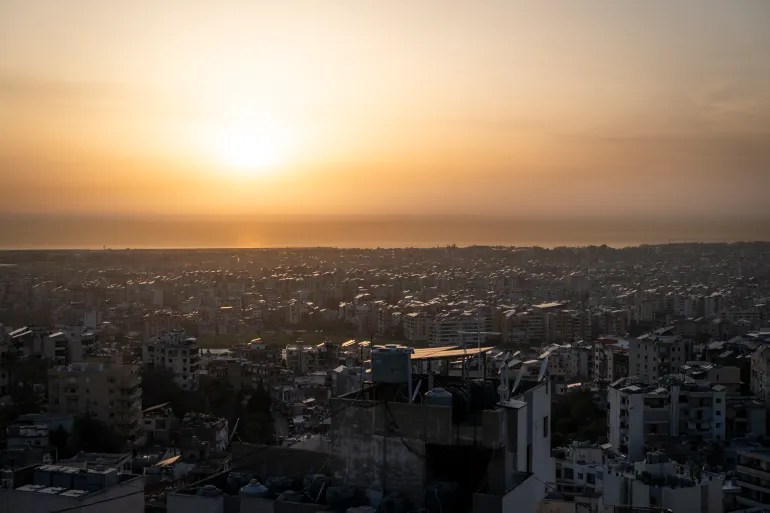
As Thursday night approached, Beirut was in a state of tense suspense. US President Donald Trump’s announcement of a 10-day ceasefire between Israel and Hezbollah, after six weeks of intense fighting, was not greeted with the usual celebrations.
On the contrary, an atmosphere of suspicion and caution prevailed on the streets of the Lebanese capital. For Abu Haidar, who had been sleeping on a mattress on the pavement of Beirut for six weeks, this was the long-awaited moment to return to his village, Kherbet Salem.
However, he was one of the few who dared to pack. Most of the other displaced people share a common sentiment: a lack of confidence that Israel will stick to the agreement.
Unlike the November 2024 ceasefire, where people immediately flocked south, this time the diplomatic and military terrain is much murkier. Israeli Prime Minister Benjamin Netanyahu has stated that his troops will not withdraw from southern Lebanon during this period.
On the other hand, Hezbollah has made it clear that it will maintain the “right to resist” if the attacks continue or if Israeli forces move freely into Lebanese territory. This uncertainty has been reinforced by messages from local leaders.
Lebanon’s parliament speaker, Nabih Berri, has called on citizens to be patient and not rush to the affected areas until developments become clearer. Hezbollah also warned of the enemy’s “history of infidelity” regarding international agreements.
In the displacement centers, the situation remains dire. Many people, like Haytham Dandash and Ruwayda Zaiter, no longer have a home to return to. Their homes have been reduced to rubble by the bombing.
They have decided to wait in their makeshift tents, preferring backaches from thin mattresses to the risk of a road that could turn into a battlefield again.
In addition to the military threat, the displaced are also facing a growing humanitarian crisis. Aid that was once plentiful has now all but disappeared, leaving people feeling abandoned by both the state and the political parties.
The question that remains in the air in Beirut is not just whether the guns will fall silent, but whether this ten-day ceasefire is just a pause to rearm or a real step towards peace.
Until these answers come, most Lebanese the displaced will continue to watch the horizon with eyes to the south, waiting for a sign of safety that still seems distant. /tesheshi
We use cookies to improve the experience and to display ads (Google AdSense).
By clicking “Accept”, you agree to the use of cookies according to
Privacy Policy
and
Cookies Policy.
You can reject non-necessary cookies by clicking “Reject”.
Source: prizrenpost
Etiketa: Brief