Wednesday, June 3rd 2026

The frightening transformation of a leader who no longer listens to society
In the first months of his government, Edi Rama carefully tried to build the opposite profile of his political predecessor. After eight years of conflict with Sali Berisha, he sought to appear as the prime minister close to the citizens, simple in behavior and ready to listen to the voice of the public.
Symbols were not lacking. The iron fence that surrounded the Prime Minister’s Office was removed as a sign of the opening of the institutions to the citizens. The media broadcast images of Rama walking to the office from his rented apartment near the Tirana Police Directorate, without the escorts and bodyguards that had accompanied his predecessors.
He also promised that he would not tire Albanians with constant public appearances and marathon speeches. Government meetings were closed to cameras, creating the idea of an administration that worked more and talked less.
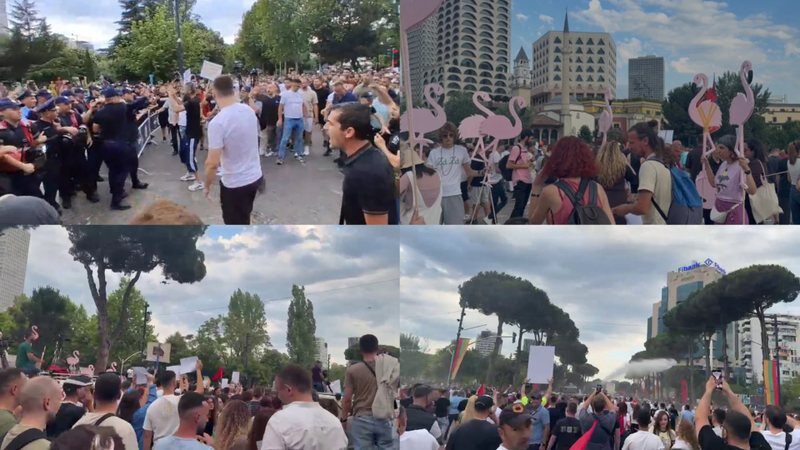
But this period was short-lived. The protests against the destruction of Syrian chemical weapons in the fall of 2013 constitute the turning point. For the first and only time in the history of the Albanian transition, a non-partisan citizen movement managed to impose a major political change.
Faced with the pressure of thousands of citizens, Rama rejected the American request and appeared before the public with a long explanatory speech for his decision. Paradoxically, the success of that protest seems to have also marked the beginning of his political transformation.
From that moment on, the prime minister began to show less and less willingness to back down in the face of public opposition. There have been cases when the government has made small concessions or cosmetic corrections, but basically no citizen movement, party or non-party, has managed to fundamentally change his attitudes.
Today, after more than a decade in power, Rama looks very far from the figure who walked to the Prime Minister’s office and preached institutional and human humility.
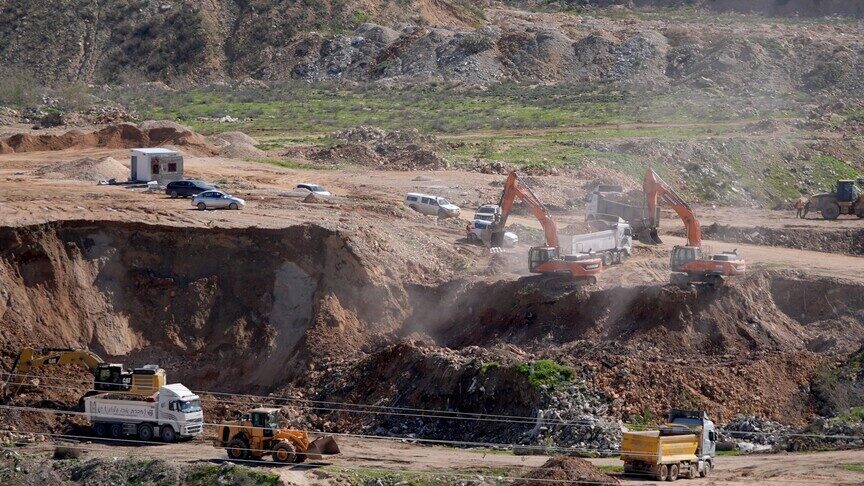
His reaction to the protests and objections to the projects in Zvernec, is just the most example. the last of an approach where the opponent is no longer considered a voice to be heard, but an obstacle to be overcome.
But where does this arrogance come from? The answer is related to the fact that long-term power produces excessive self-confidence, but also the systematic weakening of the mechanisms that can challenge it.
The traditional opposition led by Sali Berisha has long lost the ability to build a convincing alternative. Its internal conflicts, dirty compromises and the inability to mobilize the majority of citizens have convinced Rama that the political cost of not listening is minimal.
At the same time, the new parties have faced numerous political, institutional and media obstacles that have made it difficult for them to grow. In the absence of a functional opposition and real political pressure, the prime minister no longer finds it necessary to show the humility that characterized him at the beginning of his term.
Thus, from the chemical weapons protests to the opposition to Zvernec, the story of Edi Rama is also the story of a leader who gradually stopped believing that the voice of the citizens can force him to change course.
Political history itself shows that long power often creates the belief that nothing can shake a leader. But many rulers who felt invulnerable ended up facing citizen revolts, sudden losses, or a rapid decline in their influence.
Popular support is never a permanent contract. Arrogance never gets anyone to a good political end. It distances the leader from reality and makes it increasingly difficult to hear the voice of the citizens.
Protests can be ignored for a while, but accumulated discontent always finds a way to express itself. History has repeatedly repeated this lesson. square
Source: prizrenpost
Etiketa: Brief