Tuesday, May 26th 2026
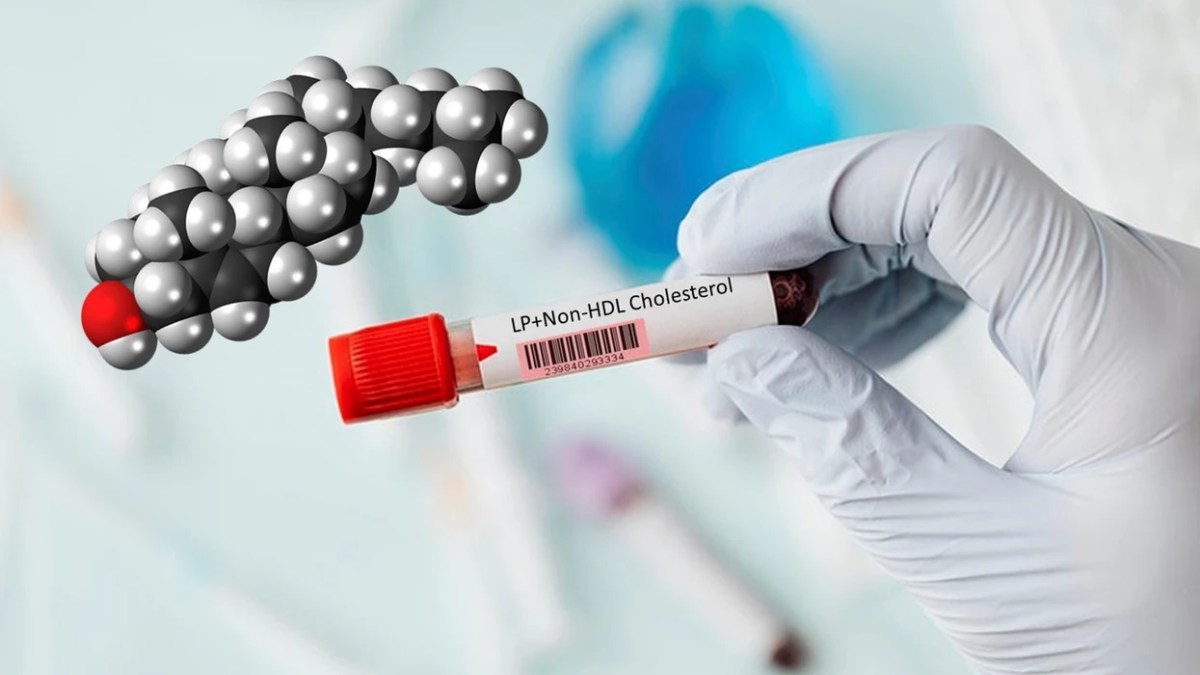
More and more attention is being drawn to the so-called “remnant cholesterol”, which can significantly increase the risk of heart attack and stroke, even in people with LDL within normal values
For decades, medicine has mainly talked about “good” and “bad” cholesterol: HDL and LDL. However, scientists are paying more and more attention to another type of fat in the blood, known as “remnant cholesterol”, which some studies show may be even more dangerous for cardiovascular health.
According to Professor Steve Humphries from University College London, the traditional division into “good” and “bad” cholesterol is no longer sufficient.
“The whole idea that HDL is ‘good’ cholesterol is actually not a completely accurate interpretation of data. HDL is more neutral: it doesn’t harm us, but it doesn’t help us much either,” Humphries told BBC Science Focus, RTS. He adds that most people don’t know that, in addition to LDL, there is a whole group of other particles that can also damage blood vessels, Telegrafi reports. LDL.
Scientists link it to triglyceride-rich particles, which can build up in artery walls and contribute to the development of atherosclerosis.
“This remnant cholesterol can be even more harmful when it comes to atherosclerotic cardiovascular disease,” Humphries said.
Studies show that people with high levels of this cholesterol have a greater risk of heart attack and stroke, even if Their LDL is within normal limits.
In a large analysis, scientists from Johns Hopkins Medicine stated that people with elevated residual cholesterol may have a 40 to 50 percent higher risk of serious cardiovascular problems.
According to experts, the problem is especially pronounced in people who are overweight or obese.
“Most people have a problem with LDL cholesterol. But if you become obese, then you almost certainly have a problem.” even with residual cholesterol,” warned Humphries.
Scientists point out that drugs are already being tested that aim to specifically reduce this type of cholesterol, including some therapies that are still used today to treat high blood fats.
Source: prizrenpost