Tuesday, May 26th 2026
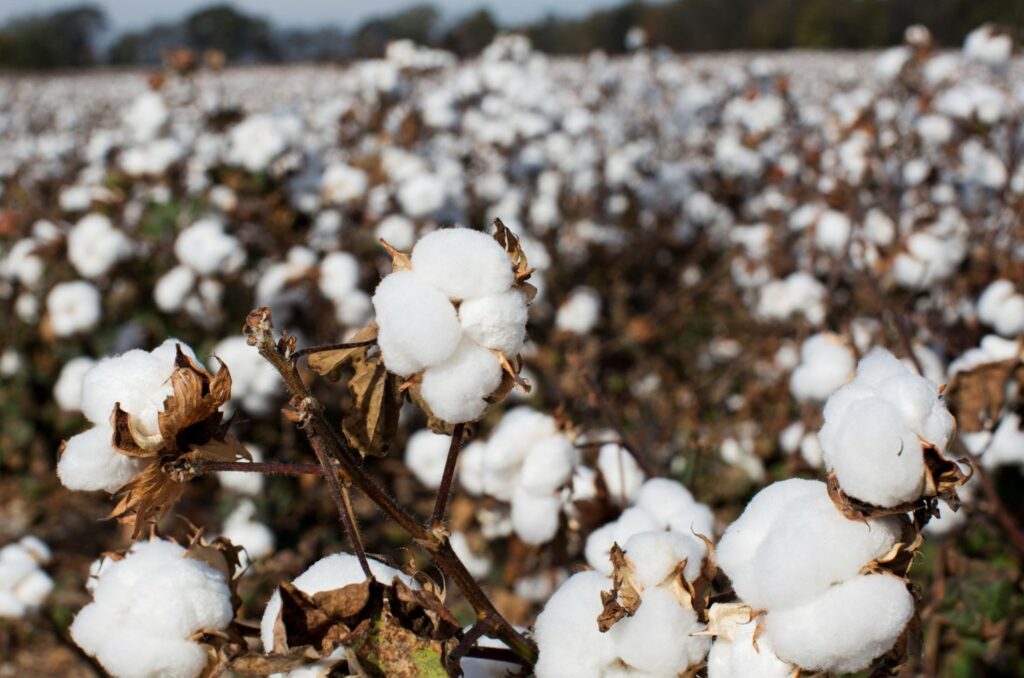
Known for its durability and comfort, cotton is used today more than any other plant fiber and is one of the most profitable non-food crops in the world.
Four main types of cotton are grown worldwide today, but one of them, Gossypium hirsutum, dominates with about 90% of global production.
A new genetic study traces the domestication of this important species and reveals that it is domesticated about 4 to 7 thousand years ago in the northwestern part of the Yucatan Peninsula in Mexico. At that time, Bronze Age farmers lived in the area, long before the emergence of the Maya civilization.
Researchers reached this conclusion by comparing the genomes of cultivated varieties with wild plants from the Yucatan, Florida, and the Caribbean islands of Puerto Rico and Guadeloupe.
“Wild cotton plants are woody, highly branched shrubs or small trees. They are long-lived, flowering sparse and with smaller flowers, fruits and seeds compared to cultivated varieties,” Jonathan Wendel of Iowa State University, co-author of the study published in the journal PNAS, told Reuters.
He added that cotton threads are actually single cells of seed hairs, but they constitute one of the most unique and amazing structures of plants.
According to the researchers, “early textile workers spun the threads by hand. and used them to weave cloth, fishing nets, ropes and other products,” said Corinne Grover of Iowa State University.
Gossypium hirsutum spread around the world after the arrival of Spanish conquistadors in America in the 16th century. Today, China, India, the US and Brazil are the largest producers.
As expected, today’s cultivated cotton varieties have much less genetic diversity compared to their wild ancestors, a common phenomenon in domesticated plant and animal species.
Scientists warn that this decrease in diversity limits the species’ ability to adapt to environmental changes, such as rising temperatures due to climate change. climatic.
According to previous studies, another cotton species, Gossypium barbadense, which today accounts for about 5% of global production, is thought to originate from Peru or Ecuador.
Smaller amounts are also produced by two other species: Gossypium arboreum, originating from India, and Gossypium herbaceum, which comes from Sub-Saharan Africa and the Arabian Peninsula.
At the end of the 18th century, in The first cotton processing machines appeared in the USA, which automated the separation of the seeds from the fibers. This greatly increased the speed of processing and made cotton cultivation much more profitable.
According to Grover, “cotton has a complex history, largely due to its association with slavery, the exploitation of indigenous peoples, and the expansion of empires. However, it is an enduring culture, intertwined with the lives of people around the world.”
Source: prizrenpost