Wednesday, May 27th 2026
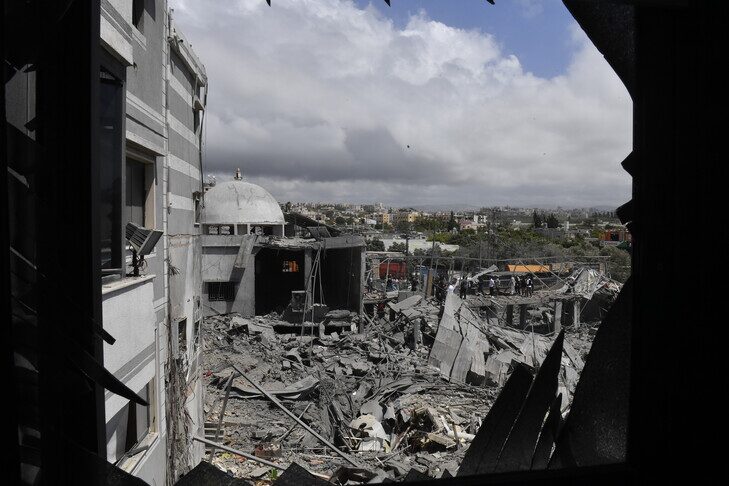
In the border villages of southern Lebanon, Eid al-Adha used to mean houses full of family, visits and joy for children. This year, the holiday is taking place under the shadow of displacement, insecurity and the aftermath of war.
In the Arqoub region of Hasbaja district, attacks and fears of further escalation have changed daily life and weakened holiday traditions.
In towns such as Shebaa, Kfarhamam and Marj al-Zouhour, schools have been turned into shelters for displaced families, while many residents are reluctant to return to their homes even during the days of Eid.
Some of those who remain try to preserve traditions, preparing festive sweets and gathering with family members who are left behind.
One displaced resident, 34-year-old Nasreen Abdul Aal, said her family has been displaced several times and that the children no longer know the atmosphere of the holiday, while the trauma of the war has run deep.
In Kfarhamam, the 60-year-old Um Najib Fares said that explosions have become part of everyday life and that holidays are now characterized by the absence of family members.
In Shebaa, 83-year-old Rasmiya Zoghbi continues the tradition of preparing Eid sweets despite fear and insecurity.
Local authorities report that dozens of families still live in the area, but many others have not returned due to the security situation.
According to the reported data, that since the latest escalation of the conflict, thousands of people have been killed and over a million displaced in Lebanon, while attacks continue despite a US-brokered ceasefire. /message
Source: prizrenpost
Etiketa: Brief