Monday, June 22nd 2026
Foods and drinks that can help reduce stress and anxiety include blueberries, nuts, turkey breast and water. Also, it may be helpful to avoid or limit certain foods and drinks that may worsen symptoms.
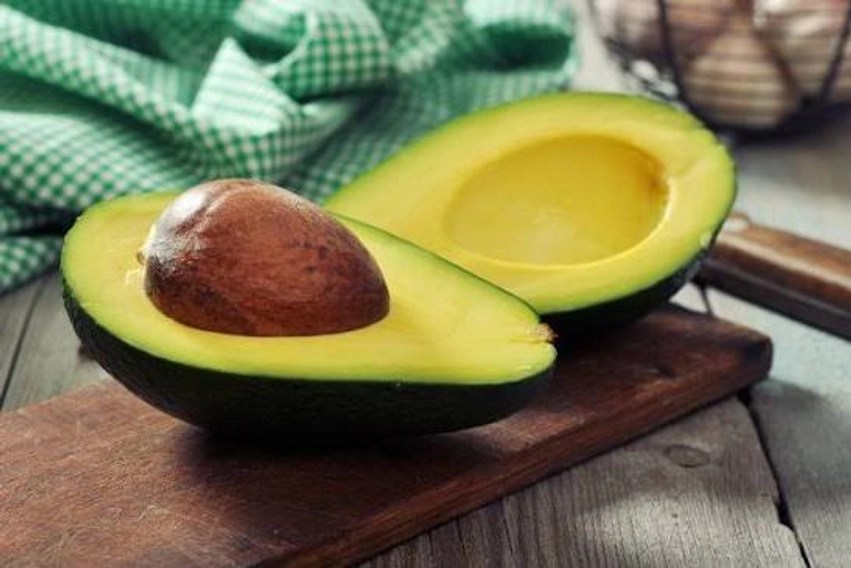
1. Avocado
Regular consumption of avocados can help with anxiety due to its B vitamin content. Foods rich in B vitamins have been linked to reduced stress and anxiety. A medium avocado contains several B vitamins, including folate (B9), niacin (B3), pantothenic acid (B5), riboflavin (B2), and vitamin B6.
2. Blueberries
Eating blueberries can be beneficial for stress. They are rich in antioxidants, which help delay and prevent cell damage. What the science says: A 2019 study found that increasing dietary antioxidants reduced anxiety scores in postmenopausal women.
3. Foods rich in calcium
These include vegetables such as spinach and kale, as well as dairy products such as milk and yogurt. What the science says: A 2022 study found that increasing calcium intake may be beneficial for mood. Researchers analyzed data from 1,233 university students and found that those who consumed more dairy products and calcium had less stress. They observed that increased calcium intake was often associated with fewer feelings of anxiety and more emotional resilience.
4. Eggs
Anxiety symptoms depend on hormones such as serotonin and dopamine in the central nervous system. Egg yolk contains vitamin D, which supports nerve function. What the science says: Some evidence suggests that higher levels of vitamin D may ease symptoms of anxiety and depression.
5. Green leafy vegetables
What the science says: A 2018 study found that university students felt calmer, happier and more energetic when they consumed more vegetables such as dark green leafy vegetables, carrots and cucumbers. It’s not clear whether positive thinking or healthy eating came first. However, the researchers found that healthy eating habits seemed to predict a more positive mood the next day.
6. Nuts and seeds
Zinc deficiency has been linked to anxiety. A 28-gram serving of cashews contains 1.6 milligrams of zinc, which is about 14–20% of the recommended daily intake for adults. Chia seeds and pumpkin seeds are sources of magnesium, which can improve mood and anxiety symptoms.
7. Oranges
An average orange contains more than half of the recommended daily dose of vitamin C. Vitamin C is an antioxidant that plays a role in the body’s response to stress and helps improve mood.
8. Oysters
Oysters contain more zinc per serving than any other food. Three ounces (about 85 grams) of raw oysters provide 32 milligrams of zinc, or 291% of the recommended daily requirement.
9. Salmon
Stress can increase levels of anxiety hormones, such as adrenaline and cortisol. Salmon contains omega-3 fatty acids, which help lower these hormones. What the science says: Research has shown that omega-3s can lower cortisol levels by up to 33%.
10. Turkey breast
Turkey is a source of tryptophan, an amino acid that helps produce serotonin. Tryptophan itself can have a sedative effect.
11. Chamomile tea
A cup of chamomile tea can help you relax. Chamomile contains flavonoids, antioxidants that may have anti-anxiety effects. What the science says: Research has shown that long-term use of chamomile for several weeks can help treat generalized anxiety disorder (GAD).
12. Fruit juices
There are different types of fruit juices, but 100% natural juices can be helpful for anxiety. What the science says: A 2022 study of more than 62,000 adults found that those who consumed fruit juices spent less time feeling anxious during the month.
Green tea has the highest concentration of theanine compared to other types of tea. Theanine is an amino acid that helps reduce stress, promotes relaxation and acts against anxiety.
14. Water
Water can help reduce anxiety by optimizing brain function. Drinking enough water helps the brain get the nutrients and energy it needs to function properly.
What foods and drinks make anxiety worse?
Certain foods and drinks can make anxiety and its symptoms worse. To prevent this, it is recommended to limit the consumption of:
Artificial sweeteners
Caffeine
Foods with a lot of fat
Foods with a lot of sugar
Refined carbohydrates
Carbonated drinks (sodas)
Source: prizrenpost