Monday, March 30th 2026
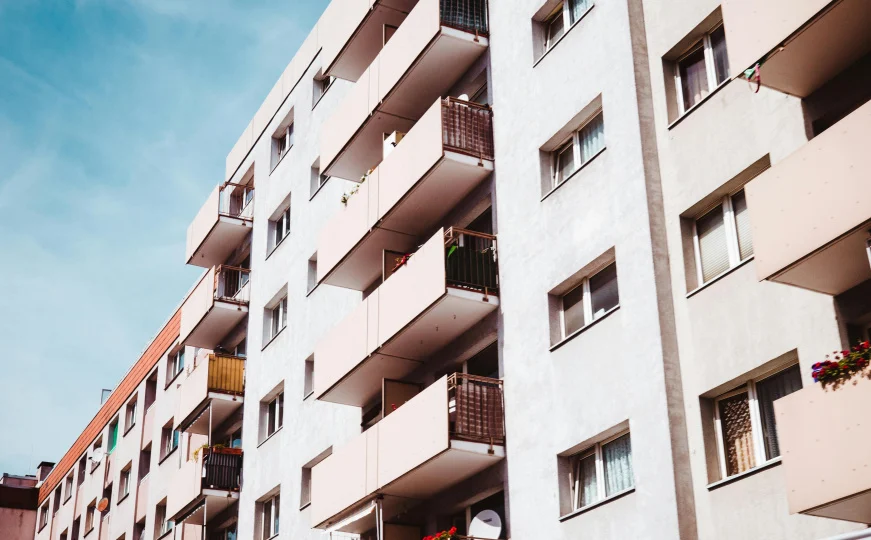
Apartment prices and rents across Europe are continuing to rise, while citizens’ incomes are not catching up.
New research from the HOUSE4ALL project shows that housing is becoming increasingly difficult to afford, especially for young people and singles in big cities.
Housing is becoming one of the biggest financial challenges for citizens across Europe, as the gap between wages and property prices continues to grow.
According to the data of the HOUSE4ALL project, which was developed at the Technical University of Vienna in cooperation with international partners, for the first time, comparable data on the prices of renting and buying apartments in relation to the income of the population across Europe are available.
The results show that the problem is more pronounced in large cities and economic centers, where housing prices are increasing much faster than wages.
The greatest pressure is felt by young people who live alone and rent smaller apartments, where the price per square meter is the highest.
In many European countries, there is an increasingly pronounced trend of postponing independence, and some young people remain in their parents’ homes precisely because of high housing costs.
The highest prices are recorded in the main capitals and economic centers, but also in the regions. tourist and coastal areas, where additional pressure is created by short-term rentals and the purchase of vacation properties.
On the other hand, rural areas register lower prices, but also a drop in demand due to population emigration.
Vienna stands out as an exception within the European framework, where a large proportion of city apartments and a regulated rental policy still enable relatively affordable housing prices.
The model of Viennese public housing is often cited as an example of how active policy can affect the stability of the real estate market.
The research also points to an additional challenge: energy renovations of buildings, although necessary for climate objectives, can lead to an increase in rents in the short term.
This phenomenon, known as “energy gentrification”, can drive away lower-income tenants from buildings of renovated.
The increase in housing costs is increasingly affecting political decisions in European countries and it is expected that this topic will be one of the priorities of EU policies in the coming years.
This situation reminds us of our country, with the same problem. So, consolingly, Albania is similar in this point to Europe and vice versa. /tesheshi.com/
We use cookies to improve the experience and to display ads (Google AdSense).
By clicking “Accept”, you agree to the use of cookies according to
Privacy Policy
and
Cookies Policy.
You can reject non-necessary cookies by clicking “Reject”.
Source: prizrenpost