Wednesday, July 22nd 2026
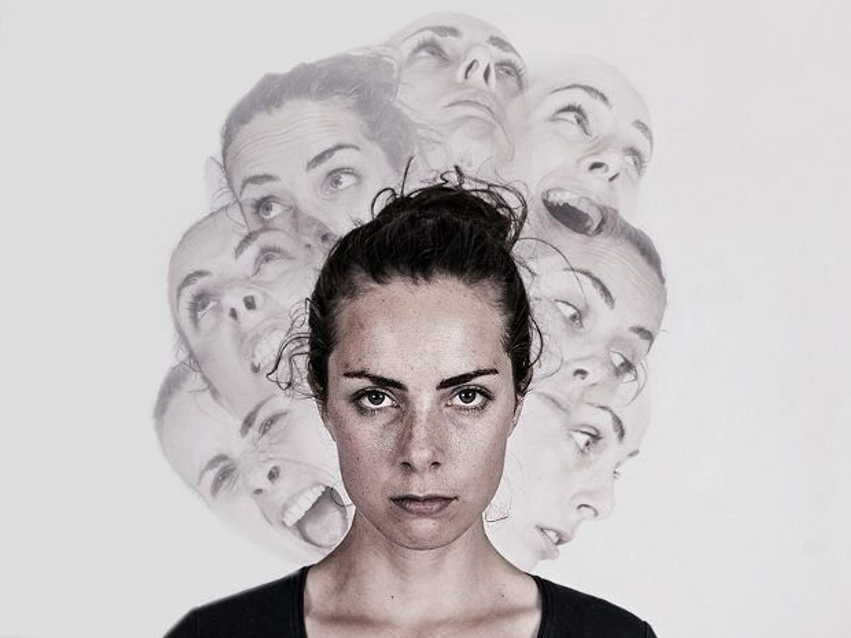
As with most mental illnesses, recognizing the signs of schizophrenia is not always easy. But one thing is clear: Schizophrenia does not mean having split or multiple personalities, despite common stereotypes.
Instead, the symptoms of schizophrenia often reflect difficulties distinguishing reality from fantasy.
Symptoms of schizophrenia can affect all aspects of a person – thoughts, emotions and behaviors – which can be filtered into difficulties negotiating many aspects of life.
The formal criteria doctors have used to diagnose schizophrenia haven’t changed in about 30 years, and they’re based on observations made more than a century ago, says Timothy B. Sullivan, a New York University psychiatrist. While these are due for a change, for now, the ‘old’ standards continue.
“The way schizophrenia has traditionally been diagnosed is through the presence of positive symptoms, on the one hand. These are hallucinations and delusions together,” says Dr Sullivan. There are also negative, now called deficit, symptoms.
These classifications are imperfect, but people with schizophrenia experience “a degree of impairment in social or cognitive function,” says Dr. Sullivan. They may show signs of disordered thinking or difficulty planning, speaking, expressing emotions, or cognition.
Not all people with schizophrenia have all of these symptoms, and not all people have the same severity of symptoms.
The following are some of the basic signs of schizophrenia:
Illusions (false perception of reality)
Source: prizrenpost