Thursday, April 2nd 2026
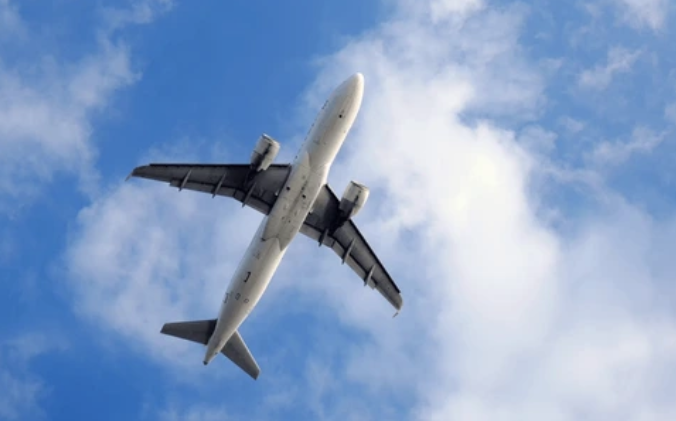
The closure of the Strait of Hormuz due to the war between the US, Israel and Iran has cut global oil supplies in half, and airlines are facing a paradox that could reshape the industry as we know it. Fuel has become very expensive, and higher ticket prices are stymieing the demand that should save it.
The price of jet fuel in February was around $96 a barrel. By March 20, it had risen to $197, doubling in just one month. Even during the outbreak of war in Ukraine in 2022, jet fuel did not reach such a peak.
This increase directly translates into huge costs. Filling a Boeing 737-800, which cost about $17,000 on February 27, cost more than $27,000 seven days later.
According to Business Insider, the top 20 airlines have lost about $53 billion in market value since the war began. Before the conflict began, the airline industry was forecasting record profits of $41 billion this year. United Airlines CEO Scott Kirby announced the cancellation of about five percent of scheduled flights in the first phase.
“The reality is that jet fuel prices have more than doubled in the last three weeks and we don’t know how everything will play out,” he wrote to employees. If high prices continue, the company’s annual costs will increase by billions of dollars.
Rigas Doganis, president of the Airline Management Group, says he fears many companies will not be able to survive.
“Airlines are facing an existential challenge. They will have to lower prices to support falling demand, while higher fuel costs push them to increase Deutsche Bank analysts go further: “Without short-term relief, airlines around the world could be forced to ground thousands of planes, while financially weaker carriers could suspend operations.” Patrick Pouyanne, CEO of TotalEnergies, warned that shortages are already spreading from Asia to Europe: “The crisis is really starting to hit customers. It all depends on how long this conflict lasts. We could have very, very dramatic consequences.”
For European travelers planning their summer holidays, the messages are worrying. Kenton Jarvis, the chief executive of EasyJet, warned: “I’m sure we’ll be flying for another week or two. Maybe three. Am I sure we’ll be flying for four weeks? Nobody can tell me what to expect, and summer is very close.”
Analytics firm OAG has said global airfares in the first two months of 2026 are already 24 percent higher than the same period last year. On popular tourist routes, passengers can expect price hikes of 10 to 20 percent, with those buying tickets shortly before their flight most at risk.
US President Donald Trump has told countries that do not want to join the war against Iran that they “can’t get jet fuel because of the Strait of Hormuz” and that they should “go get their oil”.
European reactions have been mixed. Many countries are lowering fuel taxes or introducing fixed prices that cover some of the cost. The EU is currently considering general measures for the energy crisis, but they are not designed specifically for airlines.
The European Commission has signaled to member states to prepare for long-term disruptions in energy markets and is considering reintroducing tools from 2022, such as capping energy prices or cutting taxes.
Energy Commissioner Dan Jorgensen went a step further with a controversial proposal for Europeans to travel less and fly less frequently to save fuel.
The aviation industry has survived the oil crises of the 1970s, the post-9/11 downturn and the pandemic shutdown of 2020. Each time, it has adapted. This crisis varies in scale and complexity. The roads are blocked, fuel is low and the bills are already coming in.
For the European tourist planning to go on holiday by plane, the message is clear. Tickets will be more expensive, flights will be fewer and the end of uncertainty is far away. /tesheshi.com/
We use cookies to improve the experience and to display ads (Google AdSense).
By clicking “Accept”, you agree to the use of cookies according to
Privacy Policy
and
Cookies Policy.
You can reject non-necessary cookies by clicking “Reject”.
Source: prizrenpost