Saturday, April 25th 2026
If you start your Google search with “what are ketones and what are the health benefits of ketones,” you’ll find dozens of results promising everything from controlling epilepsy to improving heart health and building muscle more efficiently at the gym. 2, high blood pressure and coronary artery disease. The good news is that there is a lot of research going on, but much of it is still inconclusive.
Most people learn more about ketones through the ketogenic diet
Ketones, or ketone bodies, are a type of “alternative fuel” that the body produces when it runs out of its main fuel – sugar.
Most people learn more about ketones through the keto diet. This is a high-fat, low-carb diet that forces the body to burn fat for energy, producing ketones in the process. What many people don’t know is that ketones are part of normal biology. When food intake falls during fasting, physical exercise and some diseases, the body changes and starts producing ketones in the liver, mainly to keep the brain active, but also to supply other organs with energy, explains Amir Tabatabaei Dakhili, professor at the Faculty of Pharmacy and Pharmaceutical Sciences, Telegraph reports.
Ketones make the blood acidic, which is dangerous to life
Ketones were discovered for the first time. seen in people with uncontrolled type 1 diabetes, so they are often associated with poor health.
Insulin not only regulates glucose, but also keeps the production of ketones under control, so without insulin there is nothing to regulate them. Ketones make the blood acidic, which is life-threatening, warns Professor Tabatabaei Dakhili.
In recent years, ketone supplements have been used successfully to reduce seizures in people with drug-resistant epilepsy. Manipulating ketone levels also shows potential in protecting the heart and improving blood sugar in people with type 2 diabetes. Professor Tabatabaei Dakhili was a Canadian Institutes of Health Research graduate student with John Ussher in the obesity energy metabolism pharmacotherapy research department when the team identified a drug that lowered blood sugar in mice by changing the way their muscles burned fuel.
Making that muscles to rely less on ketones and more on glucose, the treatment helped lower blood sugar levels. This happened in 2020. Since then, the group has improved the original compound and developed a next-generation version that reduces the use of ketones in peripheral organs, while limiting the effects on the brain. The group then optimized the drug and created another that reduces ketone oxidation in peripheral organs but not in the brain.
Another area where ketones show clinical potential is heart failure
Another team from the University of Alberta in Australia is conducting a clinical trial of using ketone supplements to protect heart muscle in people taking semaglutide in weight loss products such as Ozempic, Wegovy and Rybelsus.
Another area where ketones show clinical promise is heart failure. Professor Tabatabaei Dakhili points out that a growing number of preclinical studies and early human studies show that ketones can support heart function in some forms of heart failure, although the mechanisms and long-term clinical benefits are still being studied.
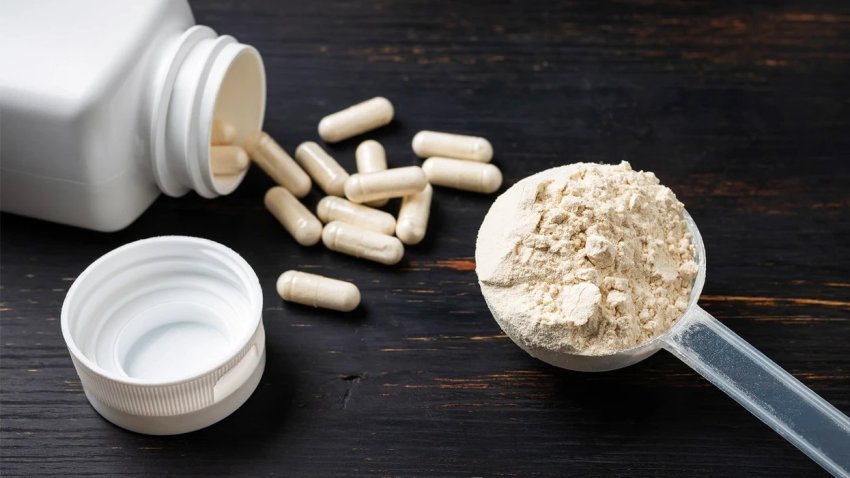
As for improving exercise performance, strengthening brain health or reducing inflammation through the use of ketones, Professor Tabatabaei Dakhili says that the clinical evidence are still limited or mixed. He points out that ketones are widely available, but are usually sold as supplements or natural health products, not as drugs approved for improving physical performance in the general population. Supplements are expensive and short-acting, he says, and can cause side effects in the stomach that can actually inhibit exercise. Some studies on physical performance have been promising, but subsequent studies have produced mixed results.
Most studies have been done with trained athletes, so the impact on the average person has not been proven. Much more studies are needed to prove the efficiency at this stage, Professor Tabatabaei Dakhili points out.
We use cookies to improve the experience and display ads (Google AdSense).
By clicking “Accept”, you agree to the use of cookies according to
Privacy Policy
and
Cookies Policy.
You can reject non-necessary cookies by clicking “Reject”.
Source: prizrenpost