Tuesday, March 24th 2026
Experts reveal the “secret” mechanism behind this common symptom
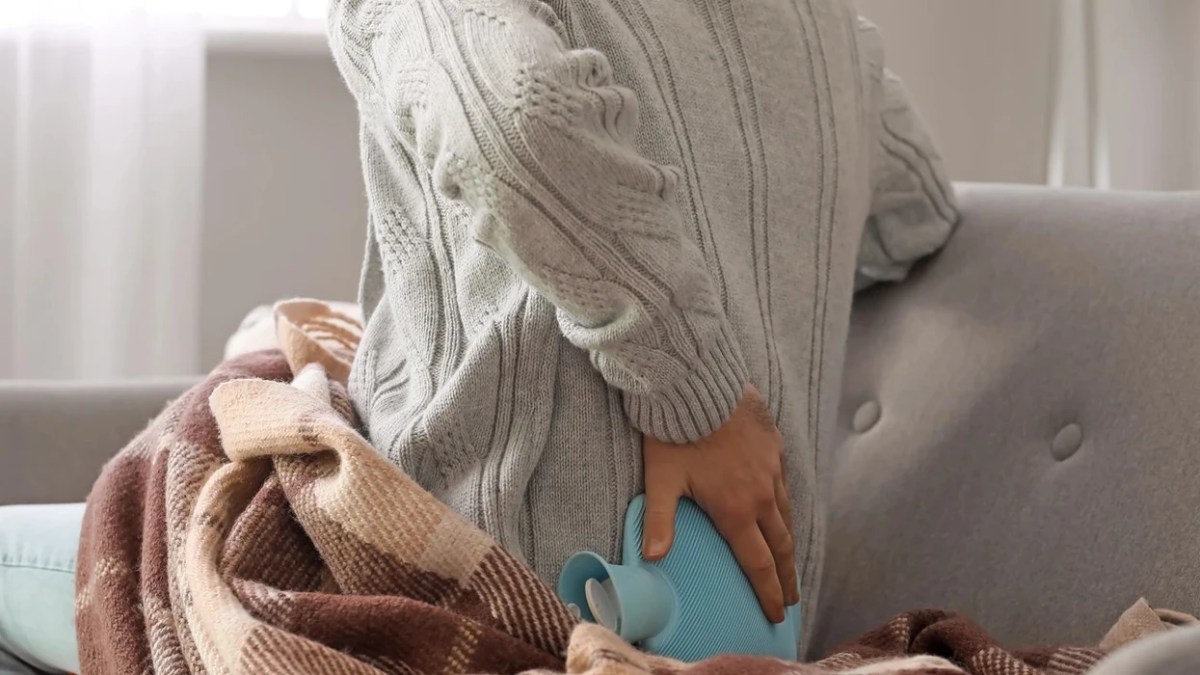
Back pain is one of those symptoms that often surprise when they appear together with the flu or a common cold. Although many people initially think of a problem with the back, the cause is not the spine, but the way the body reacts to the virus.
Body signals that show that the cold is getting worse and all its complications
Back pain often accompanies the flu, cold or COVID-19, but this symptom is not only a side effect of the infection. Behind it lies a complicated communication between the immune system and the brain.
During a viral infection, a mechanism is activated that scientists call the neuroimmune synapse, a type of interaction between the nervous system and the immune system. This interaction helps the organism recognize the threat and activate protective reactions, but at the same time it can increase the sensation of pain in the muscles and joints.
Interestingly, this effect is often felt more precisely in the lower back. Researchers assume that this area is particularly sensitive to the neuroimmune signals that are created during infection, which is why pain and stiffness often appear in this part of the body.
Although this phenomenon is known in medicine, the mechanisms behind it are still not completely clear and remain the subject of intensive research in the field of neuroimmunology, writes The Conversation.
The immune system is like a double-edged sword: it protects the body from infections, but at the same time we “announces” its work through symptoms that show that a battle is taking place in the body.
When the body detects an infection, the immune system releases cytokines, signaling proteins that coordinate defense responses. These molecules not only affect the immune system, but also send signals to the brain and spinal cord, changing our behavior and physiology, explains Dr. Joshua Pate, senior lecturer in physiotherapy at the University of Technology Sydney.
• fatigue,
• loss of appetite,
• temperature
• and increased sensitivity to pain.
These changes have a practical purpose, directing energy toward fighting infection and promoting rest. Therefore, when we are sick, we often withdraw from daily activities and feel a lack of will or sluggishness, describes dr. Mark Hutchinson, professor of neuroimmunopharmacology at the University of Adelaide.
During infections, the body activates a series of self-defense reactions that also affect the way we experience the world around us. Touch can become painful, muscles tense, while movements that are usually pleasant, tiring.
Communication between the immune system and the brain also sends signals that we are sick, or makes us feel sick.
These changes begin at the molecular level. Small, “invisible” changes in the brain and spinal cord can alter mood, pain perception, and sensory responses. When neuroimmune synapses are activated in the parts of the brain that process sensory information, pain can also increase in parts of the body where there is no infection, most often in the lower back, says Prof. dr. Hutchinson.
This increased sensitivity to pain, known as allodynia and hyperalgesia, shows how sophisticated the communication between the immune and nervous systems is. A small molecular change can affect the entire experience of the body during the disease.
The immune system does not stop when the virus or bacteria withdraw.
In infections such as COVID or the flu, this reaction helps create protective immune memory, which is why sometimes feelings of nausea or weakness appear even after vaccination. This is a sign that the body learns and prepares for future encounters with the pathogen, emphasizes prof. dr. Hutchinson.
This communication between the immune system and the brain also sends signals that we are sick, or makes us feel sick. After some viral infections, feeling sick can last longer than the infection itself, a phenomenon observed in long-term COVID.
Severe or persistent pain, especially if accompanied by other symptoms, requires medical evaluation.
Interestingly, women, who on average have a stronger immune response than men, more often experience more intense pain symptoms. While a stronger immune response provides protection against infections, it also increases the risk for inflammatory conditions, including autoimmune diseases, says Dr. Pate.
Severe or persistent pain, especially if accompanied by other symptoms, requires medical evaluation. Mild to moderate pain in the lower back is common during infections and usually goes away as the disease resolves.
In addition to treating the underlying infection, there are strategies for relieving neuroimmune pain, says Dr. Pate, mentioning:
• maintaining a healthy microbiome through a varied diet and being outdoors,
• quality sleep,
• hydration
• reducing inflammation.
Studies show that traditional recipes, such as chicken soup, can reduce immune signals at the neuroimmune synapse, while mindful meditation, cold water therapy and controlled breathing cause molecular changes that help regulate the immune and autonomic nervous systems, adds Dr. Pate.
These practices not only relieve pain, but also add an anti-inflammatory component to the immune response, reducing the intensity and duration of symptoms.
Heat treatments, such as compresses or hot water bottles, improve circulation and provide relief, while over-the-counter pain medications can help, but always be careful about possible interactions with other therapies, advises Dr. Pate.
The influence of the mind on the body is not a myth, but it is not unlimited either. Studies show that mental expectations and practices, such as breath control, meditation and cold water therapy, can cause changes at the cellular and molecular level.
Understanding the mechanisms of back pain during infections opens the possibility to control it more effectively. Combining these techniques with basic health maintenance strategies offers real hope for reducing discomfort. However, if the symptoms become strong or last longer than expected, a medical evaluation is necessary, concludes prof. dr. Hutchinson.
We use cookies to improve the experience and to display advertisements (Google AdSense).
By clicking “Accept”, you agree to the use of cookies according to
Privacy Policy
and
Cookies Policy.
You can reject non-necessary cookies by clicking “Reject”.
Source: prizrenpost