Wednesday, May 13th 2026
Imposed agreements that sow the seeds of future wars
By Ranjan Solomon, Middle East Monitor
War rarely ends when one side declares victory. It ends when the cost of conflict exceeds the benefits of compromise. The current confrontation between the US and Iran has reached this critical threshold.
What began as a “maximum pressure” campaign is turning into a test of strategic patience. While Washington seeks peace on its own terms, Tehran insists that a peace without justice is simply surrender.
Despite a fragile ceasefire that began on April 8, tensions in the Strait of Hormuz remain high. The US Navy reports blocking Iranian tankers, while the Revolutionary Guard Corps (IRGC) claims to have repelled US destroyers.
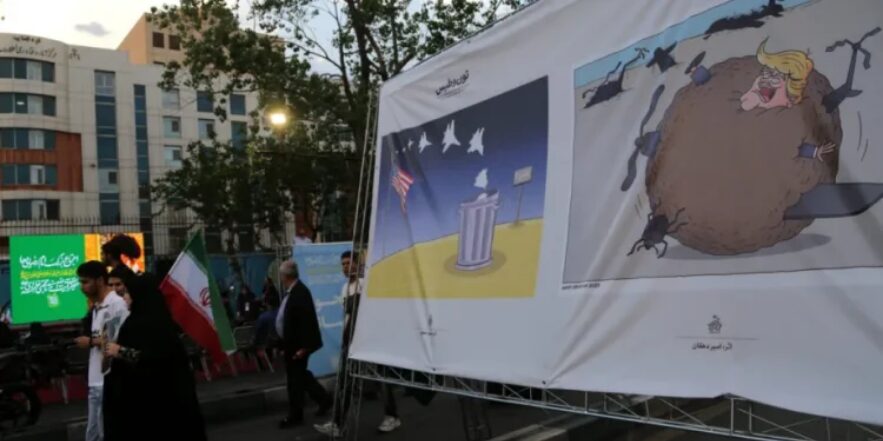
This is accompanied by a technological “meme war”, where artificial intelligence is being used to poison the diplomatic atmosphere. Donald Trump declares that the talks are going well, but his threats of “great damage” prove otherwise.
The US aims to end the war, reopen the Straits and nuclear deterrence. However, Trump’s approach would only work if Iran were on its knees. The reality is different: Tehran stands firm, demanding a deal that guarantees dignity.
Iran’s conditions for reaching a deal are presented in stark terms and are considered non-negotiable for its sovereignty. Tehran demands full recognition of the right to nuclear enrichment and rejects any restrictions on its missile program, citing the need for mutual respect.
This is accompanied by a demand for financial reparations for damage caused by US and Israeli airstrikes, as well as the provision of binding international guarantees against future aggression.
Furthermore, Iran insists on full control over the Strait of Hormuz. Hormuz, the removal of all primary and secondary sanctions, as well as the removal of American military bases from countries in the region.
But why does Trump need a quick agreement? First, the conflict has passed the 60-day limit allowed by US law, limiting its authority without congressional approval.
Second, claims that most of Iran’s missiles were destroyed are proving inaccurate, while the war is becoming a financial pit. The blockade of Hormuz has hit global energy markets, increasing pressure on the administration ahead of diplomatic meetings with China.
Domestically, Trump is grappling with midterm elections and economic pressure. He has imposed new tariffs to protect American industry, but the war remains an obstacle to his agenda.
He is relying on Beijing to pressure Tehran, but the Iranians believe their resilience can withstand Washington’s. For the IRGC, prolonged conflict strengthens their internal control, making them resistant to threats.
History shows that imposed agreements sow the seeds for future wars. Peace will become possible only when realism gives way to justice and pretended surrender gives way to mutual respect. /tesheshi
We use cookies to improve the experience and to display ads (Google AdSense).
By clicking “Accept”, you agree to the use of cookies according to
Privacy Policy
and
Cookies Policy.
You can reject non-necessary cookies by clicking “Reject”.
Source: prizrenpost
Etiketa: Brief