Monday, June 22nd 2026
The reaction doesn’t appear immediately, so many patients don’t associate it with what they ate hours before
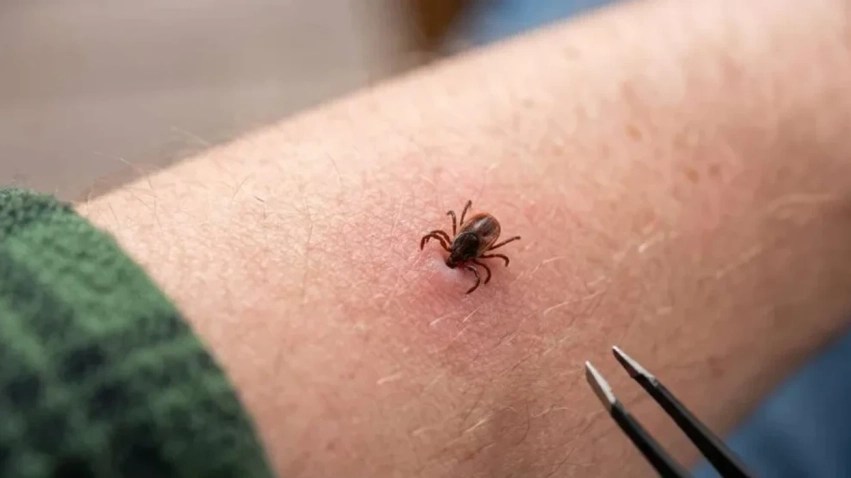
Ticks are known to transmit infections that can cause serious illnesses, including Lyme disease and tick-borne encephalitis. However, they are also associated with a lesser-known condition: alpha-gal syndrome, a potentially life-threatening meat allergy that can develop weeks or months after a tick bite.
What causes alpha-gal syndrome, the dangerous meat allergy?
Alpha-gal syndrome was first linked to a certain type of tick about 15 years ago. It is being diagnosed more and more often, as awareness increases and more and more people report allergic symptoms after consuming meat, and in some cases also dairy products.
It should be noted that this allergy does not affect the consumption of seafood, poultry meat, such as chicken and turkey, or eggs.
Unlike other tick-borne diseases, alpha-gal syndrome is not caused by bacteria or viruses. It occurs when the human immune system launches an allergic response to a type of sugar known as alpha-gal, short for alpha-galactose. This sugar is found in the meat of most mammals, such as cows and sheep, and in the saliva of some species of ticks, but not in humans or other primates.
When does alpha-gal sugar become dangerous to humans?
When consumed through food, it is usually harmless. However, when the ticks that carry it bite through the skin, they can get it directly into the bloodstream. This triggers the development of antibodies in the person, proteins of the immune system that fight “foreign invaders” and learn to identify and attack the alpha-gal sugar molecules.
After that, when the person consumes meat from mammals, the alpha-gal antibodies can trigger an allergic reaction.
“In all likelihood, the skin is a very powerful way to trigger an allergic reaction. If this were to happen through the mouth, then if we would get alpha-gal only by eating steak or roast meat, we would not become allergic”, emphasizes dr. Scott Commins, alpha-gal syndrome researcher at the University of North Carolina.
What symptoms does alpha-gal syndrome cause?
Alpha-gal syndrome symptoms often do not appear right away. The reaction can develop up to six hours after consuming red meat, while the condition itself can develop gradually over several weeks or months. In some people, the symptoms become more pronounced over time.
“A person can eat meat in the evening and then, during the night, wake up with severe symptoms. This is precisely why, both for patients and doctors, it is difficult to connect the allergic reaction to the food consumed a few hours ago”, emphasizes Marianne van Hage, professor of clinical immunology at the Karolinska Institute in Sweden.
Symptoms of possible symptoms of alpha-gal syndrome are:
• rash or pimples on the skin
• intense itching
• digestive disturbances, such as bloating and stomach discomfort
• severe allergic reactions.
In the most severe cases, anaphylaxis, swelling, difficulty breathing and allergic shock may occur.
How is the dangerous allergy associated with tick bites diagnosed?
Alpha-gal syndrome is diagnosed through a blood test for the presence of IgE antibodies. However, experts warn that the laboratory result, alone, is not enough to establish the diagnosis.
“Blood analysis is very useful, but it cannot be the only criterion for diagnosis. Real symptoms are also needed, because in allergology we often encounter false positive results”, recalls Dr. Commins from the University of North Carolina.
He adds that in some affected people, the allergy may weaken or disappear over time. According to the experience of dr. Commins, this happens in about 15 to 20 percent of patients. However, new tick bites should be avoided in order to reduce the risk of the disease returning.
Source: prizrenpost