Saturday, April 25th 2026
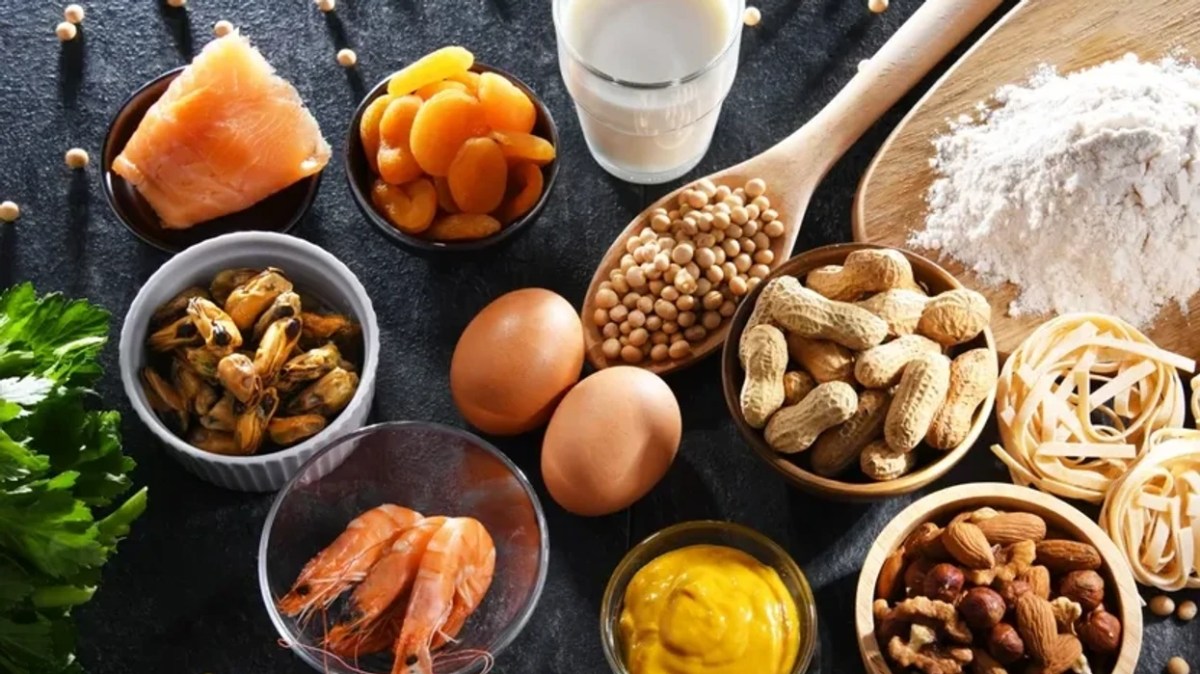
Milk, eggs, peanuts, wheat and other common foods can cause serious reactions, while knowing the allergens remains the best defense
Food allergies began to appear significantly in the early 1990s, with the number of cases increasing so much that researchers declared them an epidemic. Keeping allergies under control and knowing how to avoid allergens has become a priority. Over time, researchers have proven that there are 9 main food allergens, which cause more than 90 percent of allergic reactions.
To avoid food allergies, we need to know where the allergens are
Imagine that you start every meal, every snack and every small bite wondering if that food can harm you or even endanger your life. This is the daily reality for anyone living with food allergies. Nine foods have been proven to cause more than 90 percent of serious allergic reactions, such as anaphylaxis. This list includes milk, eggs, fish, shellfish, nuts, peanuts, wheat, soy and sesame. In the USA, for example, these allergens must be clearly declared on food product labels.
The best defense against food allergy is to avoid the food, that is, the allergen. But, to avoid a food, you need to know where it is, remembers dr. Jaclyn Bjelac, allergist at the Cleveland Clinic, reports the Telegraph.
9 most common allergens
In the group of main allergens there are 9 foods as the most frequent causes of allergic reactions. However, they are not the only foods that can cause problems. In fact, more than 170 foods have been identified as allergens.
Cow’s milk protein allergy is the most common food allergy in infants and young children. Between 2 and 6 percent of children may be allergic to cow’s milk. A milk allergy also involves avoiding all dairy products. This means no butter, cheese, ice cream, yogurt and similar products. The good news is that most children outgrow this allergy within a few years.
Milk Allergy vs. Lactose Intolerance
It should be noted that milk allergy is different from lactose intolerance and can be much more dangerous. Food allergy causes the immune system to overreact. If a person with an allergy consumes milk, symptoms can range from mild, such as rashes and hives, to severe, such as swelling that blocks the airways.
If you are lactose intolerant, the problem is related to digestion. The body lacks the enzyme that helps digest lactose, the sugar in milk and milk products. This can cause nausea, gas and diarrhea, but it is not a life-threatening condition, says dr. Bjelac.
Avoiding eggs, if you have an allergy to them, can be difficult. It is easy to avoid eggs as a straight food, but the problem arises when eggs are used in the preparation of various foods. They can be found in bread, cakes, pasta, pretzels, candy and even in certain drinks. However, some people with egg allergies can tolerate them when they are baked into food, such as in a cake or homemade cake. Like milk allergy, egg allergy is more common in children and usually outgrows itself with time.
Peanut allergy gets a lot of attention, and rightfully so. Severe reactions to peanuts cause more emergency room visits for food-related anaphylaxis than any other food. It is the third most common food allergy in children and adults. One in five children with a peanut allergy outgrows the condition.
Nuts grow on trees and most commonly include walnuts, almonds, hazelnuts, pecans, cashews, and pistachios. Reactions to peanuts are the second most common reason for emergency food allergy treatment. These allergies usually last a lifetime, although a small percentage of children may outgrow the allergy.
The most common food allergy in adults is related to shellfish. People can be allergic to crustaceans such as shrimp, crabs and lobsters, or to molluscs such as mussels, oysters, squid, sea snails and octopus. Many people discover this allergy only in adulthood. It is usually a long-term allergy.
If you are allergic to fish, you are likely to be allergic to many types of it, because the allergenic proteins are similar. Tuna, salmon, cod and catfish are among the most common, but almost any type of fish can cause a reaction. Contrary to popular belief, you can be allergic to fish but not shellfish and vice versa.
Wheat allergy is more common in young children and often goes away with age. However, how long it is present can make life difficult, as wheat is found in many food products. Wheat allergy is different from celiac disease and gluten intolerance. The good news is that wheat can be replaced with grains such as corn, oats, quinoa or rye.
Allergy to soy is more typical in childhood and is often accompanied by other food allergies, especially to peanuts. One study showed that 88 percent of children with soy allergies also had peanut allergies. Avoiding soy can be difficult, as it is often found in processed foods. However, many people can tolerate products containing soy lecithin.
Sesame has become one of the leading causes of food anaphylaxis worldwide. It’s not enough just to avoid sesame breads, as it is often found in many convenience foods, such as hummus. It can be used in different forms, such as flour, oil, paste or flour
We use cookies to improve the experience and display ads (Google AdSense).
By clicking “Accept”, you agree to the use of cookies according to
Privacy Policy
and
Cookies Policy.
You can reject non-necessary cookies by clicking “Reject”.
Source: prizrenpost