Wednesday, May 20th 2026
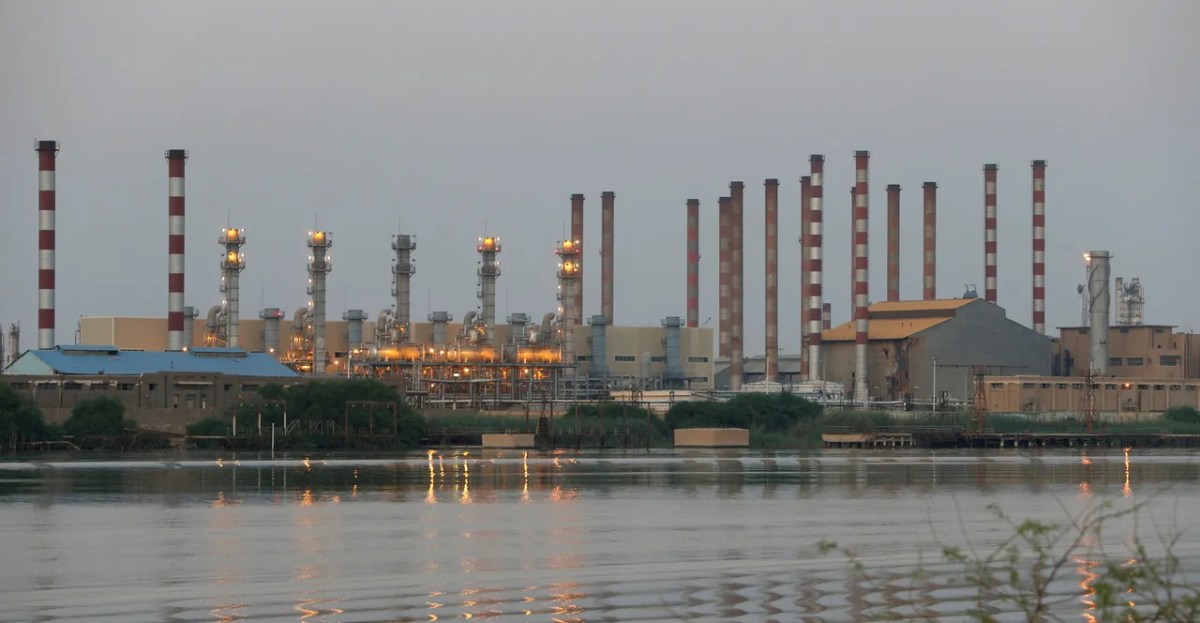
Iranian President Masoud Pezeshkian on Wednesday called for citizens’ cooperation in saving energy and managing consumption as the country faces growing economic pressures.
Speaking at a nationwide meeting of provincial governors, Pezeshkian said the previous methods used to govern the country are no longer sufficient to meet Iran’s current challenges.
“It is necessary to adopt approaches of new and creative solutions to overcome the problems,” he said, according to the Fars News agency.
Pezeshkian warned that Iran may face other difficulties if the authorities do not implement accurate planning for the management of water, electricity, gas and gasoline consumption.
“We must invite the public to cooperate in saving and managing consumption in order to lead the country through the current conditions with dignity and strength,” he said. he.
The Iranian president added that if previous methods had been sufficient to solve the country’s problems, many of them would have been solved by now.
Meanwhile, Iranian Parliament Speaker Mohammad Bagher Qalibaf acknowledged the growing economic difficulties in an audio message published on his Telegram channel.
Qalibaf said Iranians have faced what he described as a war imposed by the US and Israel. for about 80 days, but in recent weeks they have also faced economic problems and rising cost of living.
He mentioned the significant increase in the prices of basic products, including rice, chicken, eggs and meat, as well as the decline in purchasing power and reduced employment opportunities.
“I am aware of the increase in prices in the market for basic products, especially for some food items,” said Qalibaf.
The Speaker of the Parliament also warned that despite nearly a month of relative calm on the military front, Iran’s “adversaries” have not given up their military objectives and are pursuing a new phase of pressure through economic and political measures.
Regional tensions remain high since the February 28 US and Israeli attacks on Iran, which prompted retaliatory strikes by Tehran against Israel and US allies in the Persian Gulf, as well as the closure of the Straits of Hormuz.
A ceasefire came into effect on April 8 brokered by Pakistan, but talks in Islamabad failed to secure a lasting deal. US President Donald Trump then extended the ceasefire indefinitely, while maintaining a blockade against ships traveling to or from Iranian ports through this strategic waterway.
The Strait of Hormuz is one of the world’s most important energy corridors, connecting the Persian Gulf to international markets. Disruptions in this area since the beginning of the war with Iran have increased concerns about the global supply of oil, fuel and gas.
Source: prizrenpost
Etiketa: Brief