Wednesday, June 3rd 2026
The crisis instigated by the US and Israel escalates, fuel prices rise again
The war that broke out at the end of February between Iran and the allies of the United States in the region is entering a new phase of escalation, while diplomatic efforts to end the conflict continue to remain without concrete results.
According to the US military, several Iranian missiles fired at Bahrain, Kuwait and other targets in the Persian Gulf were neutralized or did not reach their targets.
The US Central Command stated that three missiles of aimed at Bahrain were intercepted, while two others launched at Kuwait fell before reaching their destination.
On the other hand, Iranian state media reported that the Islamic Revolutionary Guard Corps (IRGC) carried out missile and drone attacks on the headquarters of the US Fifth Fleet in Bahrain and on other military targets in the region.
Tehran presented these actions as a response to US attacks against Iranian infrastructure near the Strait of Hormuz. Hormuz. Despite Washington’s assertions that Iran’s strikes have failed, recent developments show the region remains far from stable.
As the AP reports, the ongoing clashes risk drawing even more Middle Eastern countries into conflict and hitting one of the world’s most important energy corridors.
The new escalation has had an immediate impact on international markets, with oil prices rising more than 1 percent in early trade. of Wednesday. This is expected to be reflected in fuel markets, increasing pressure on economies and consumers around the world.
The Strait of Hormuz, through which about a fifth of global oil and liquid gas trade passed before the war, continues to operate under severe restrictions.
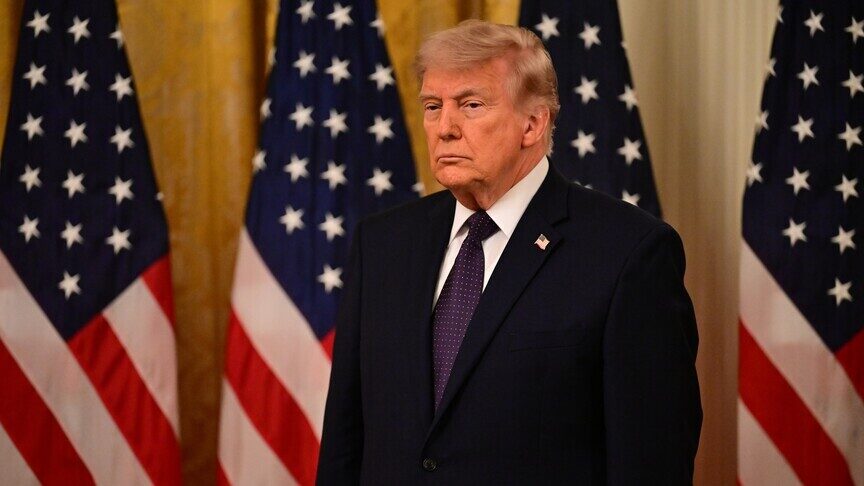
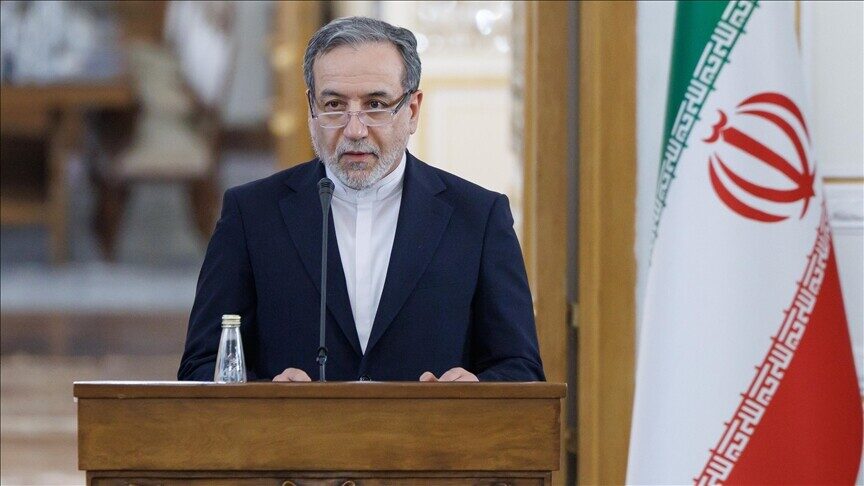
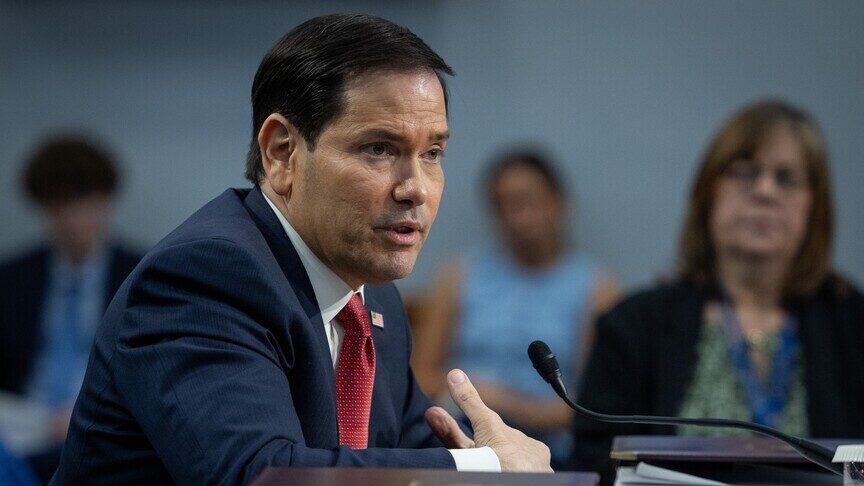
Meanwhile, talks between Iran and the US on a ceasefire agreement remain deadlocked. Although US President Donald Trump claims that contacts with Tehran are continuing, Iranian media report that there have been no direct communications for several days.
Another sticking point remains the Iranian nuclear program. Washington demands that Iran give up its nuclear activities before any sanctions relief, while Tehran insists that its program has exclusively civilian goals and wants the lifting of economic restrictions that have hit the country hard.
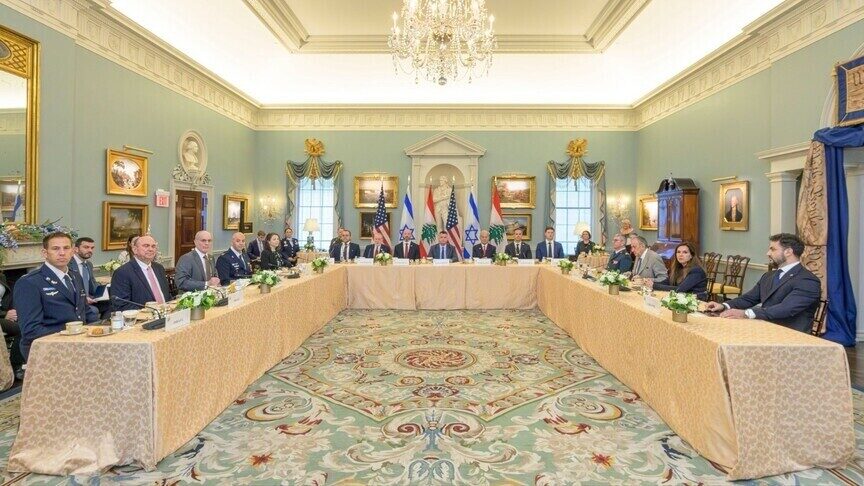
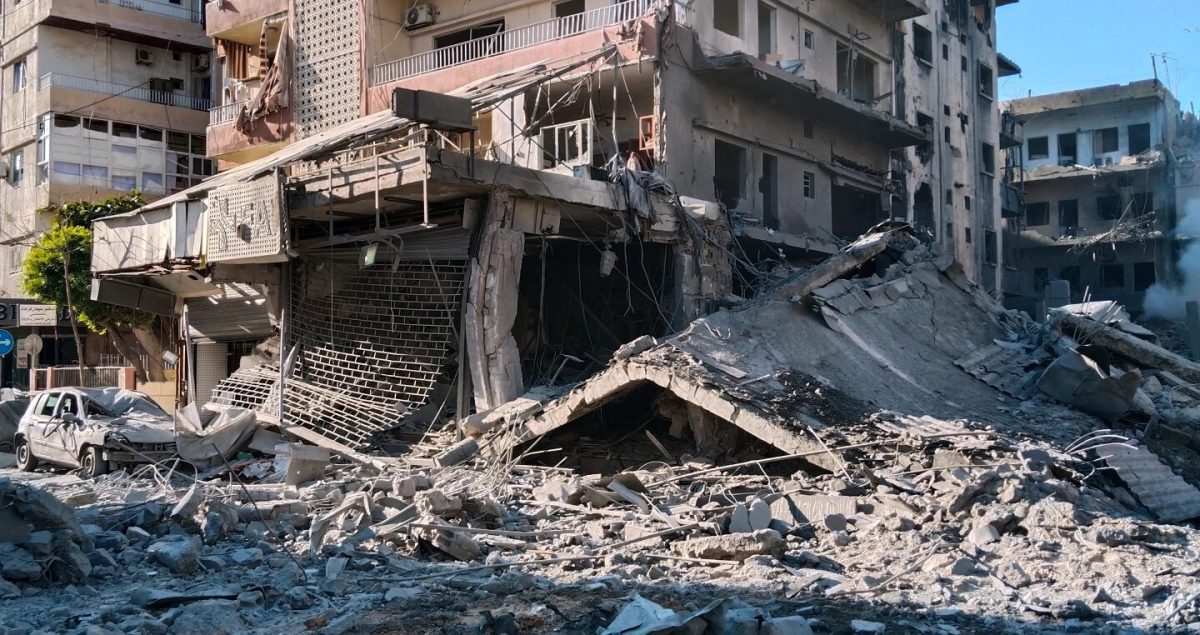
At the same time, Israel continues military operations in southern Lebanon despite a partial U.S.-brokered ceasefire.
According to the AP, Israeli attacks and mass displacement of civilians are exacerbating the humanitarian crisis in the region, while hundreds of thousands people continue to live in uncertainty.
After more than three months of war, thousands of people have lost their lives, mainly in Iran and Lebanon. As Washington and Tel Aviv continue to rely on military pressure to impose their strategic objectives, hopes for a political solution remain dim.
Instead of diplomacy, it is the missiles that are continuing to “talk”, keeping the entire region on the brink of an even wider conflict. square
Source: prizrenpost
Etiketa: Brief