Wednesday, June 3rd 2026

Billions of dollars unpaid by the US and China are at risk of dysfunction starting this summer
The United Nations (UN) is going through one of the most difficult financial periods in its recent history. According to a report published in early May, the organization is facing serious funding shortages due to delays and non-payments by some of its biggest contributors, particularly the United States and China.
If financial obligations are not settled on time, the UN warns that it may no longer be able to meet its legal obligations starting in August, risking a “financial collapse”.
The United States remains the largest debtor. of the organization. Currently, Washington owes the UN about $4.3 billion. Of this amount, approximately $2 billion is related to the organization’s regular budget, which is financed by mandatory contributions from member countries according to the weight of their economies.
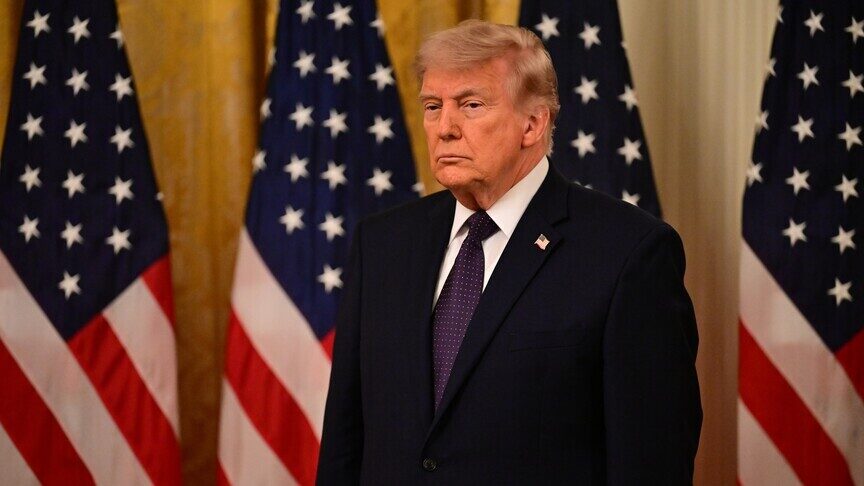
In addition, the US still owes about $2.2 billion for peacekeeping missions and $44 million for international tribunals. The administration of President Donald Trump has long held a critical stance towards international organizations and especially UN agencies.
Trump has repeatedly argued that many of their activities do not align with American interests and represent an unnecessary financial burden on taxpayers. Earlier this year, he ordered the withdrawal of the United States from 66 international organizations, almost half of which were related to the UN system.
Although American representatives have stated that payments will be made, it has not yet been announced when and to what extent the obligations will be repaid. The US has also pledged about 3.8 billion dollars for humanitarian programs, but these funds cannot be used for the administration of the organization or for peacekeeping operations.
After the US, China ranks as the country with the second largest financial obligations to the UN. According to the report, Beijing has delayed payments totaling more than $1.3 billion. Of these, 429 million dollars belong to ordinary contributions, 870 million to peacekeeping missions and about 9 million to international courts.
Unlike the US administration, the Chinese authorities have not shown hostility towards the UN, but in recent years they have increasingly postponed payment deadlines.
The Chinese ambassador to the UN, Fu Cong, has stated that China will fulfill its obligations, stressing that due to American defaults, Beijing has practically become the largest active contributor to the organization.
Together, the US and China cover about 42 percent of the UN budget. China’s weight has grown significantly over the past decade as a result of its expanding economy, while the United States continues to remain the largest theoretical funder of the organization.
The consequences of the lack of funds are already visible. The UN budget for 2026 has been reduced to $3.45 billion, about 7 percent less than a year ago. To cope with the situation, the organization has cut about 3,000 jobs since 2025, mainly positions held by new employees with less protected contracts.
Saving measures have also been extended to the main headquarters of the organization. In the Geneva offices, the use of heating and the operation of escalators have been limited, while in the New York headquarters some maintenance work has been postponed in a building that has been in use for over seven decades.
Financial difficulties have also affected international operations. The UN has accelerated the withdrawal of peacekeeping forces from the Democratic Republic of Congo and has delayed payments to countries that contribute troops to its missions, such as Nepal and Bangladesh.
The situation is made even more paradoxical by an internal regulation that forces the UN to return unused funds to member states. This applies even when the funds have not been spent due to the lack of financial resources caused by the delays in payments themselves.
The Secretary General of the UN, António Guterres, has described this situation as “Kafkaesque”, underlining the absurdity of a system that faces a lack of funds while being obliged to return unspent money. square
Source: prizrenpost
Etiketa: Brief