Sunday, April 5th 2026
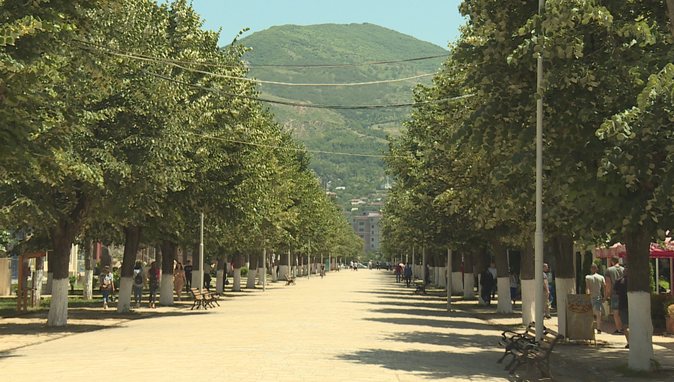
Mainly from children and relatives in Greece, Italy and the United States of America, together with those in Germany, France or Belgium, Albanian immigrants sent over 1.1 billion euros to their families last year.
Data from the Bank of Albania show that in relation to 2024, remittances have increased by a full 73 million euros, i.e. 7 percent.
Eris Dhamo, lecturer and sociologist, said so for A2: “We have inflation still present in the country, which brings demand on the existence and dependence of groups vulnerable to remittances”.
According to the World Bank, there are almost 174 thousand Albanian families or 23 percent of the total that depend partially or completely on the money sent to relatives from abroad. The need for more money as a result of the cost of living is also affirmed by the citizens who expect remittances.
“Now that the prices have increased, we are forced to ask the children for more money. I have brothers who help me more than otherwise…”, says a citizen.
According to data from the Institute of Statistics, the two poorest districts of the country, Kukësi and Dibra, are also the ones with the highest dependence on remittances. At the same time, at the national level, 26 percent of Albanian families that receive money from abroad have less disposable income than the rest.
“If we still refer to the INSTAT figures, then we will understand that the money from remittances goes to meet basic needs and not for entertainment or luxury”, declares Dhamo.
Albania’s membership in SEPA also had an impact on the expansion of remittances from abroad. The Single Payment Area in euros. The significant reduction of commissions has influenced the formalization of remittances, writes A2 Television.
We use cookies to improve the experience and display advertisements (Google AdSense).
By clicking “Accept”, you agree to the use of cookies according to
Privacy Policy
and
Cookies Policy.
You can reject non-necessary cookies by clicking “Reject”.
Source: prizrenpost